The escalating confrontation between Iran and Israel is no longer a regional issue—it’s a global economic risk with the potential to disrupt energy markets, trade routes, and inflation dynamics worldwide. If the conflict extends for weeks or months, the ripple effects could be felt across every major economy.

Oil Prices: The First Shockwave
The Middle East sits at the heart of global energy supply. Any sustained conflict risks interruptions in production, transport, or shipping routes like the Strait of Hormuz.
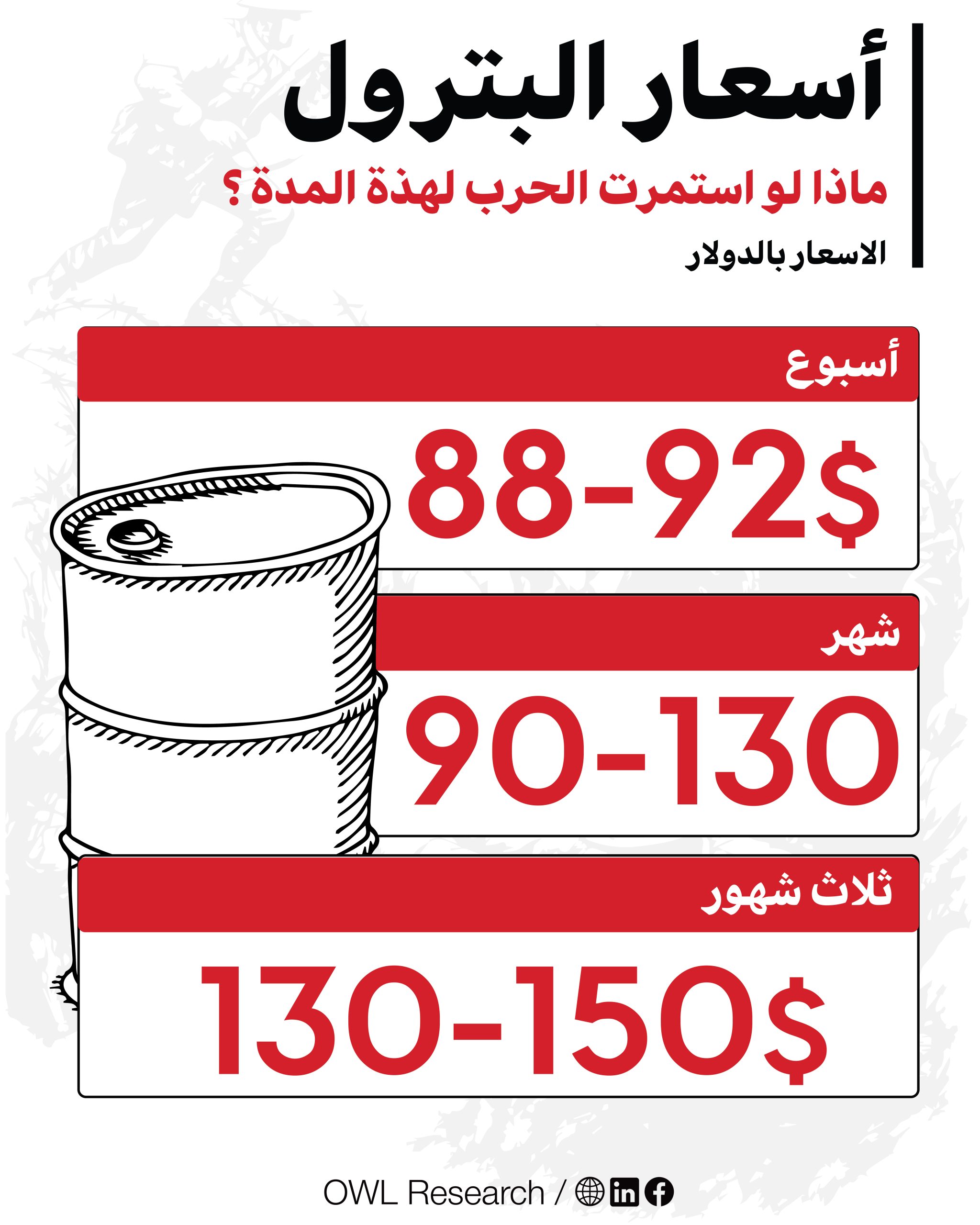
- 1 week of conflict: Oil may hover around $88–$92 per barrel.
- 1 month: Prices could jump to $90–130, as markets price in prolonged instability.
- 3 months: A severe escalation could push crude to $130–150, levels that historically triggered global recessions.
Rising Global Inflation
Higher energy prices feed directly into transportation, manufacturing, and food production costs. Even a short conflict can nudge global inflation upward:
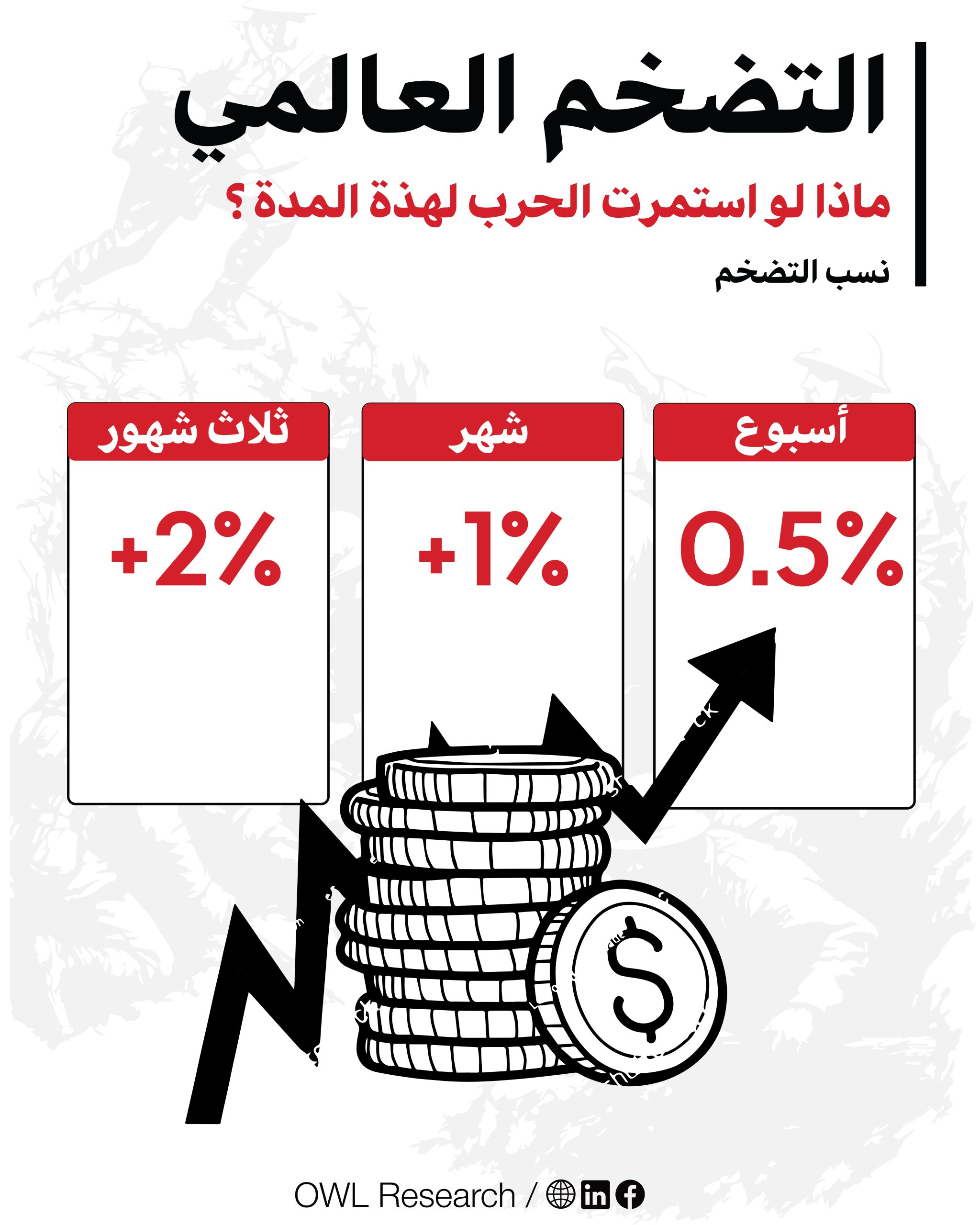
- +0.5% after a week
- +1% after a month
- +2% after three months of continued war
For economies already battling high living costs, this could mean renewed pressure on central banks to tighten monetary policy.
The Shipping Crisis
The Middle East hosts critical maritime corridors. Any threat to these routes—either through direct attacks or increased insurance and security costs—could inflate global shipping prices dramatically:
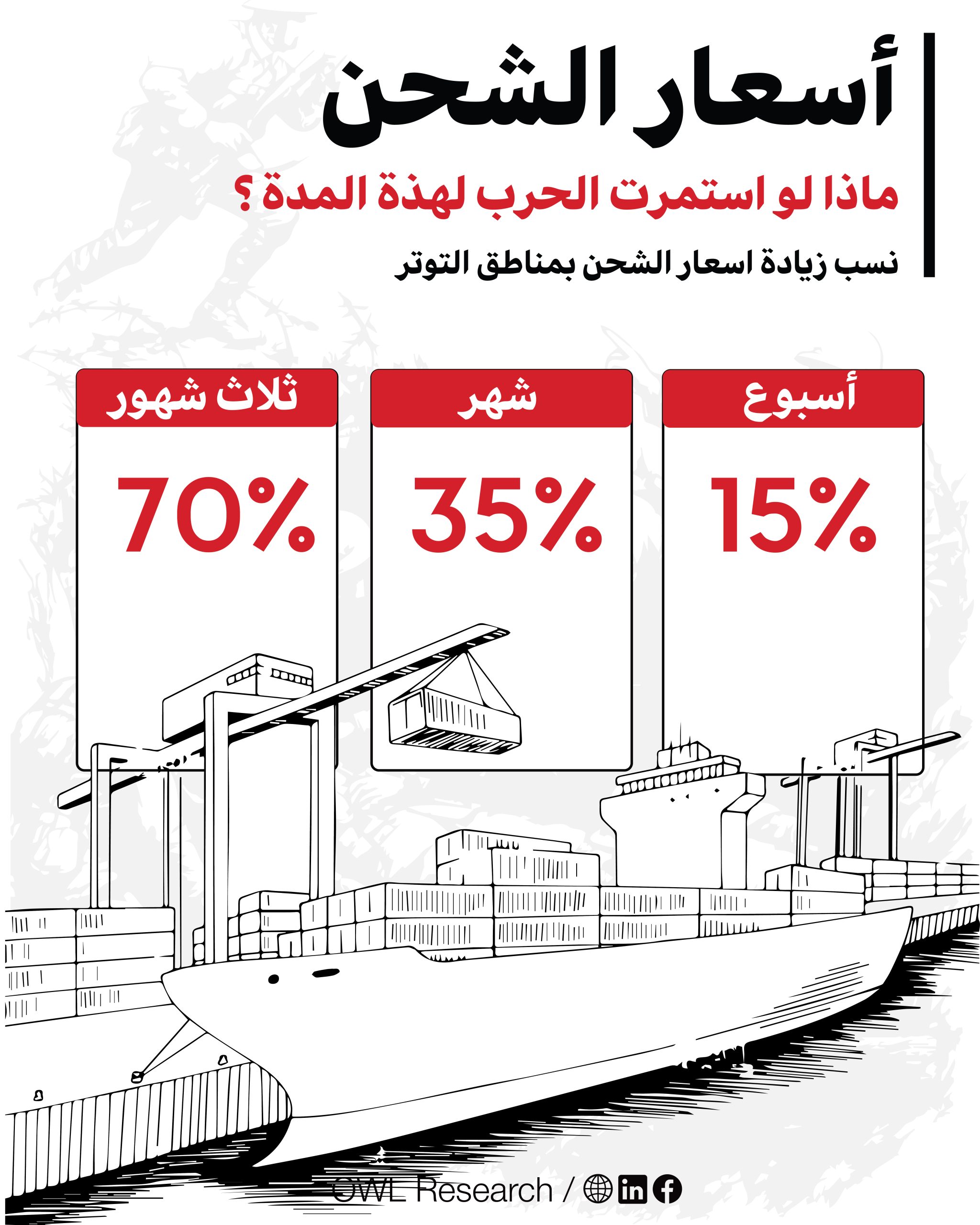
- +15% after a week
- +35% after a month
- +70% after three months
This would particularly hurt import-dependent countries, raising the cost of food, electronics, raw materials, and manufacturing inputs.
The Bigger Picture
A drawn-out war risks destabilizing global markets, slowing trade, and undermining growth across Asia, Europe, and the U.S. It could also deepen geopolitical polarization as global powers take sides. For developing economies, the impact would be sharper—higher fuel costs, higher import bills, and increased fiscal pressure.