The story of U.S. Steel’s attempted sale in 2023-2024 encapsulates the intense conflict between global market forces and national security imperatives in the United States. What began as a straightforward corporate acquisition evolved into a politically charged saga that ultimately saw the iconic American company sold to a domestic rival under stringent government-imposed conditions.
The Japanese Offer and Initial Block
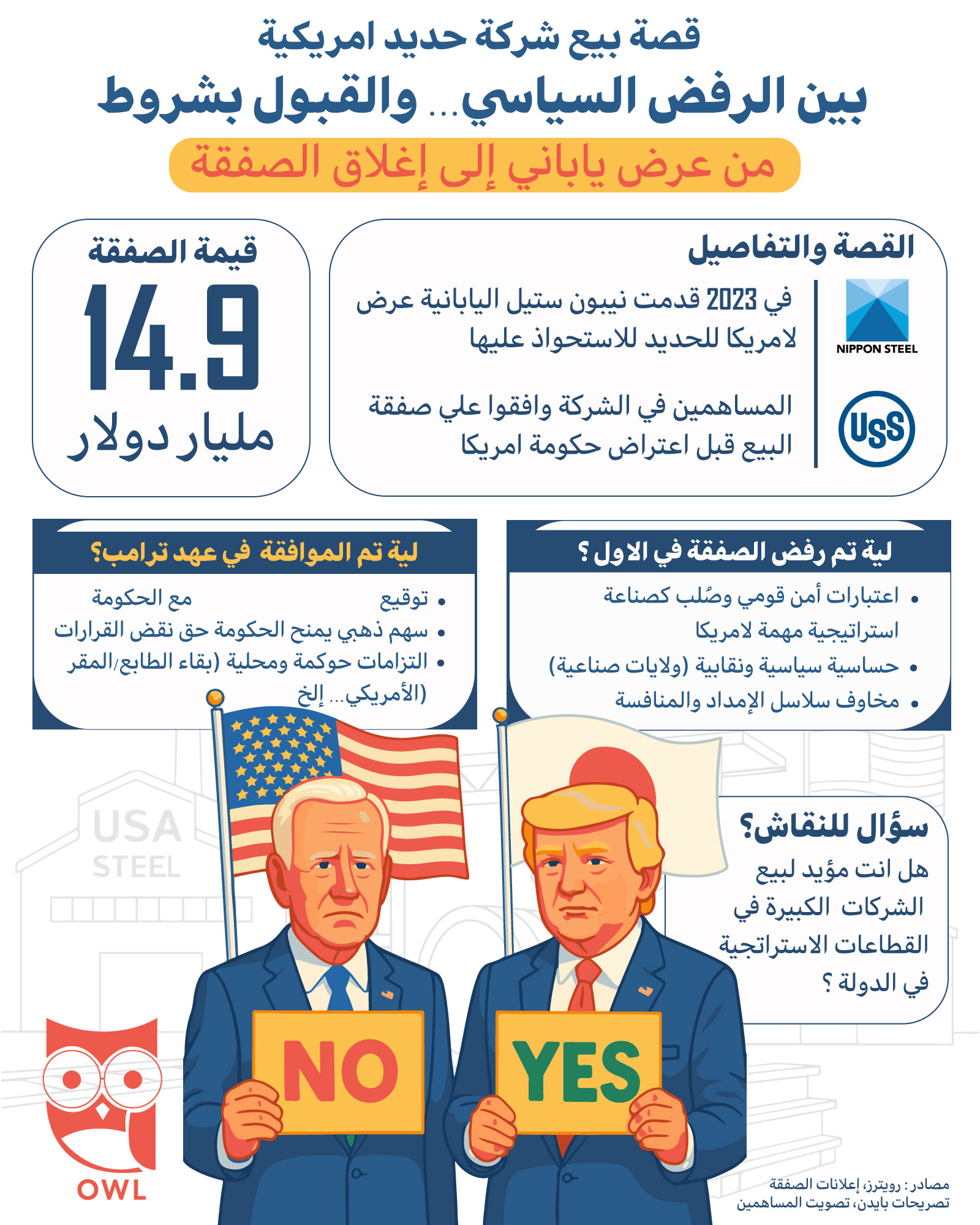
In 2023, Japan’s Nippon Steel made a substantial $14.9 billion offer to acquire U.S. Steel. The company’s shareholders approved the lucrative deal. However, the transaction quickly hit a political wall. Citing national security concerns, the U.S. government, under the Committee on Foreign Investment in the United States (CFIUS), moved to block the sale. The objections were clear: steel is a strategically vital industry for national defense and infrastructure, and there were significant sensitivities around job losses in key industrial states and potential supply chain vulnerabilities.
The Domestic Compromise: A “Golden Share” for the Government
With the Japanese path closed, the focus shifted to a domestic buyer. Ultimately, Cleveland-Cliffs, another American steel giant, emerged. To secure government approval for this domestic merger—which still raised antitrust and industrial concentration concerns—a novel compromise was struck, reminiscent of measures used during the Trump administration for similar sensitive deals.
The government did not simply approve the sale; it attached significant conditions, effectively giving itself a “golden share.” This arrangement grants the federal government special veto powers over critical decisions, particularly those that could affect national security, such as plant closures, changes to supply chains, or technology transfers. Furthermore, the merged entity had to commit to maintaining its American identity, headquarters, and core operational footprint.
The Core Question: Strategic Assets in a Global Market
This case forces a critical debate: Should large companies in strategic sectors be sold, especially to foreign entities?
- Proponents of the sale argue for shareholder rights, market efficiency, and the capital infusion needed for modernization.
- Opponents, as seen in the U.S. government’s actions, prioritize national security, industrial sovereignty, and the preservation of critical manufacturing capabilities deemed essential for national resilience.
The U.S. Steel story is a definitive case study in modern economic statecraft. It demonstrates that for industries deemed “strategic,” the free market does not operate without constraints. National interest, enforced through tools like CFIUS and conditional approvals, remains the ultimate arbiter, ensuring that corporate ownership aligns with the long-term security and industrial policy of the state.