The International Monetary Fund (IMF) continues to play a critical role in supporting economies facing financial instability, currency pressure, debt crises, and external financing gaps. As of April 2026, several countries across Latin America, Africa, Asia, and the Middle East remain heavily dependent on IMF financing programs to stabilize their economies and maintain fiscal balance.
According to the latest IMF data, Argentina remains the largest debtor nation to the IMF by a significant margin, followed by countries facing structural economic challenges, post-crisis recovery efforts, inflationary pressure, or foreign currency shortages.
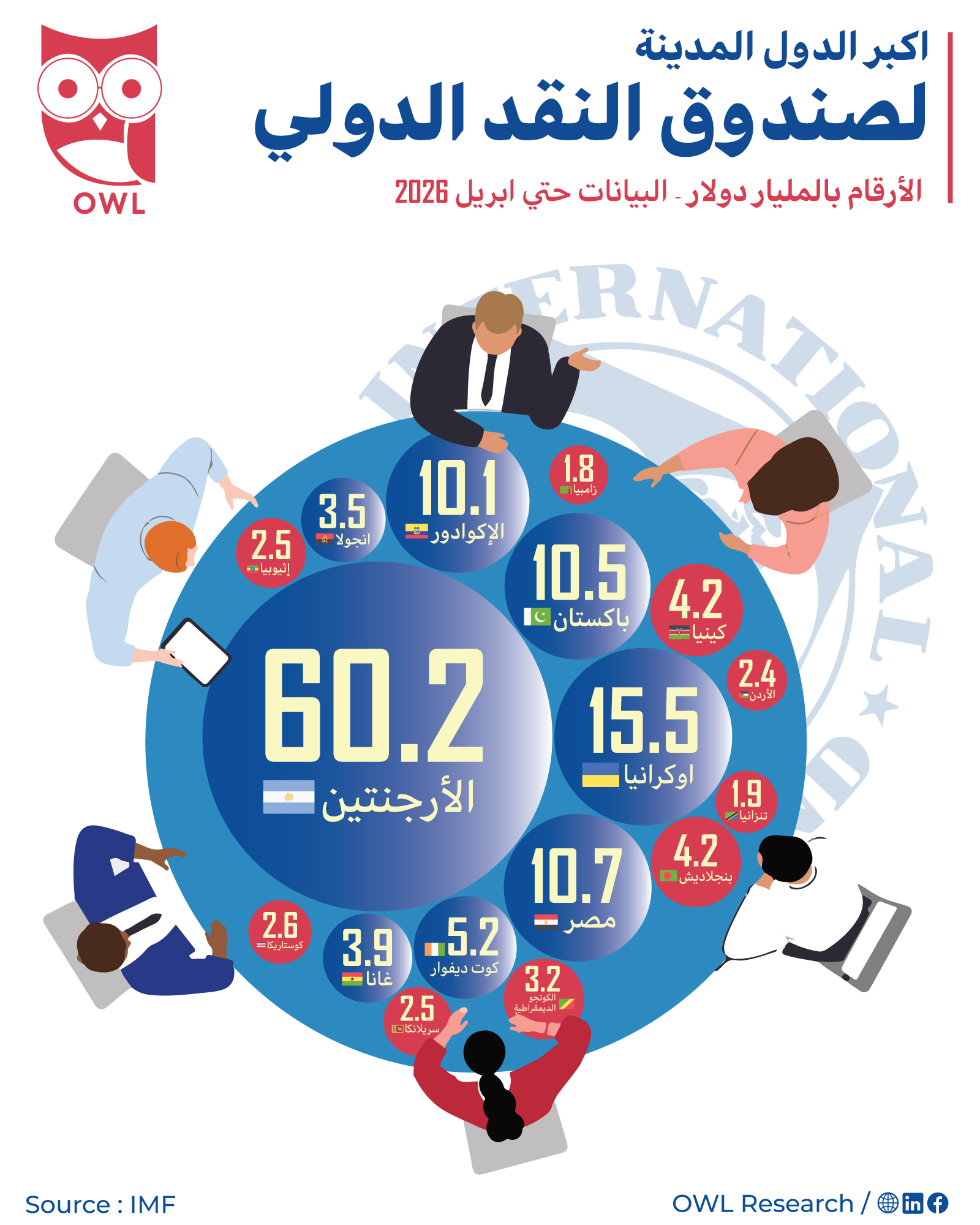
Top IMF Debtor Countries – April 2026
The latest figures show the following countries among the IMF’s largest borrowers (values in USD billions):
- Argentina – $60.2B
- Ukraine – $15.5B
- Egypt – $10.7B
- Pakistan – $10.5B
- Ecuador – $10.1B
- Côte d’Ivoire – $5.2B
- Bangladesh – $4.2B
- Kenya – $4.2B
- Ghana – $3.9B
- Angola – $3.5B
Other countries appearing on the list include the Democratic Republic of Congo, Costa Rica, Ethiopia, Sri Lanka, Jordan, Tanzania, and Zambia.
Why Countries Turn to the IMF
IMF financing is often associated with periods of economic stress. Countries usually seek IMF support when they experience:
- Severe balance-of-payments deficits
- Currency depreciation and foreign reserve shortages
- High inflation and debt-servicing pressure
- Fiscal instability and widening budget deficits
- Difficulty accessing international capital markets
In exchange for financing, governments typically commit to economic reform programs that may include fiscal restructuring, subsidy reforms, monetary tightening, taxation changes, and privatization measures.
Argentina: The Largest IMF Debtor
Argentina continues to dominate the list with more than $60 billion in outstanding IMF obligations — far ahead of any other country. The country has faced recurring debt crises, high inflation, peso depreciation, and fiscal imbalances over the past decade.
The IMF’s involvement in Argentina reflects one of the largest financial assistance programs in the institution’s history. Economic reforms and negotiations between the Argentine government and the IMF remain central to the country’s financial recovery strategy.
Egypt’s Position in the Global IMF Landscape
Egypt ranks among the top IMF borrowers globally with approximately $10.7 billion in obligations. The country has implemented multiple economic reform programs over recent years, including currency liberalization, subsidy reductions, and structural reforms aimed at stabilizing the economy and attracting foreign investment.
Egypt’s IMF relationship highlights broader challenges facing emerging markets, including inflation management, exchange-rate pressure, and financing large-scale development projects amid global economic uncertainty.
Emerging Markets Under Pressure
The presence of countries such as Pakistan, Kenya, Ghana, Bangladesh, and Sri Lanka reflects the growing financial pressure on emerging and developing economies. Rising global interest rates, geopolitical tensions, supply chain disruptions, and commodity price volatility have intensified fiscal stress across many regions.
For several African economies specifically, IMF financing has become increasingly important for maintaining macroeconomic stability and preventing sovereign default risks.
What This Means for the Global Economy
The concentration of IMF debt among emerging economies signals broader vulnerabilities in the global financial system. While IMF support provides critical short-term liquidity and policy guidance, long-term economic resilience ultimately depends on sustainable growth, export competitiveness, fiscal discipline, and political stability.
As global uncertainty continues through 2026, IMF financing is likely to remain a key instrument for countries navigating economic turbulence and structural reform transitions.