The Rebound: Analyzing the 2023 Automotive Sales Performance
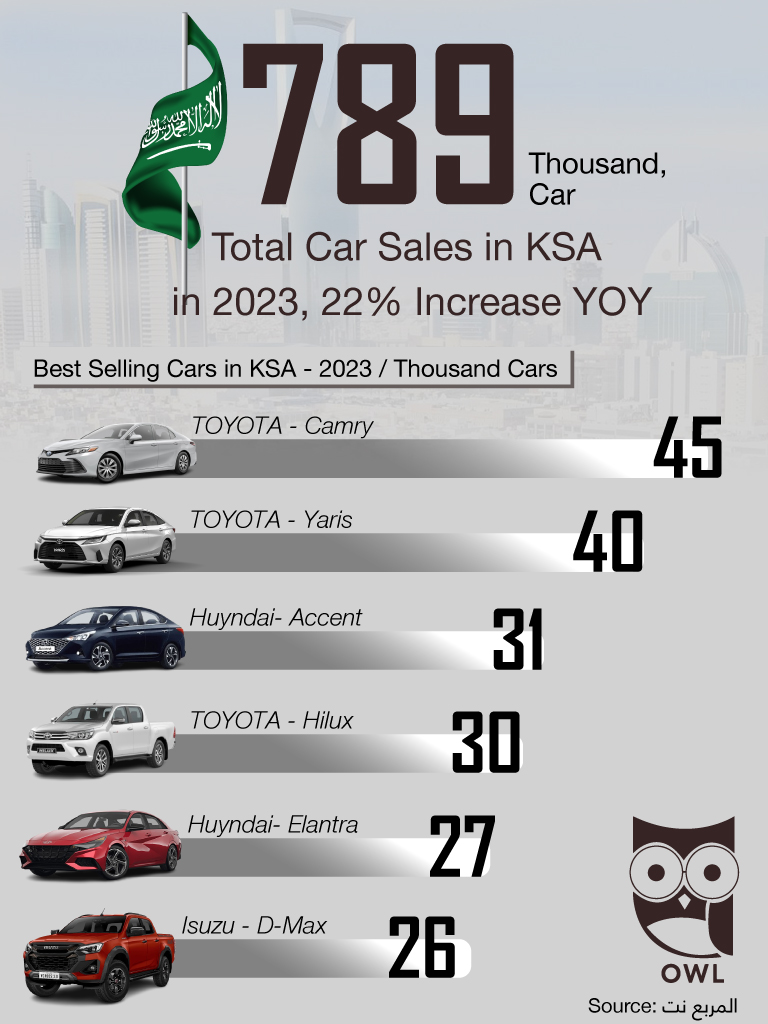
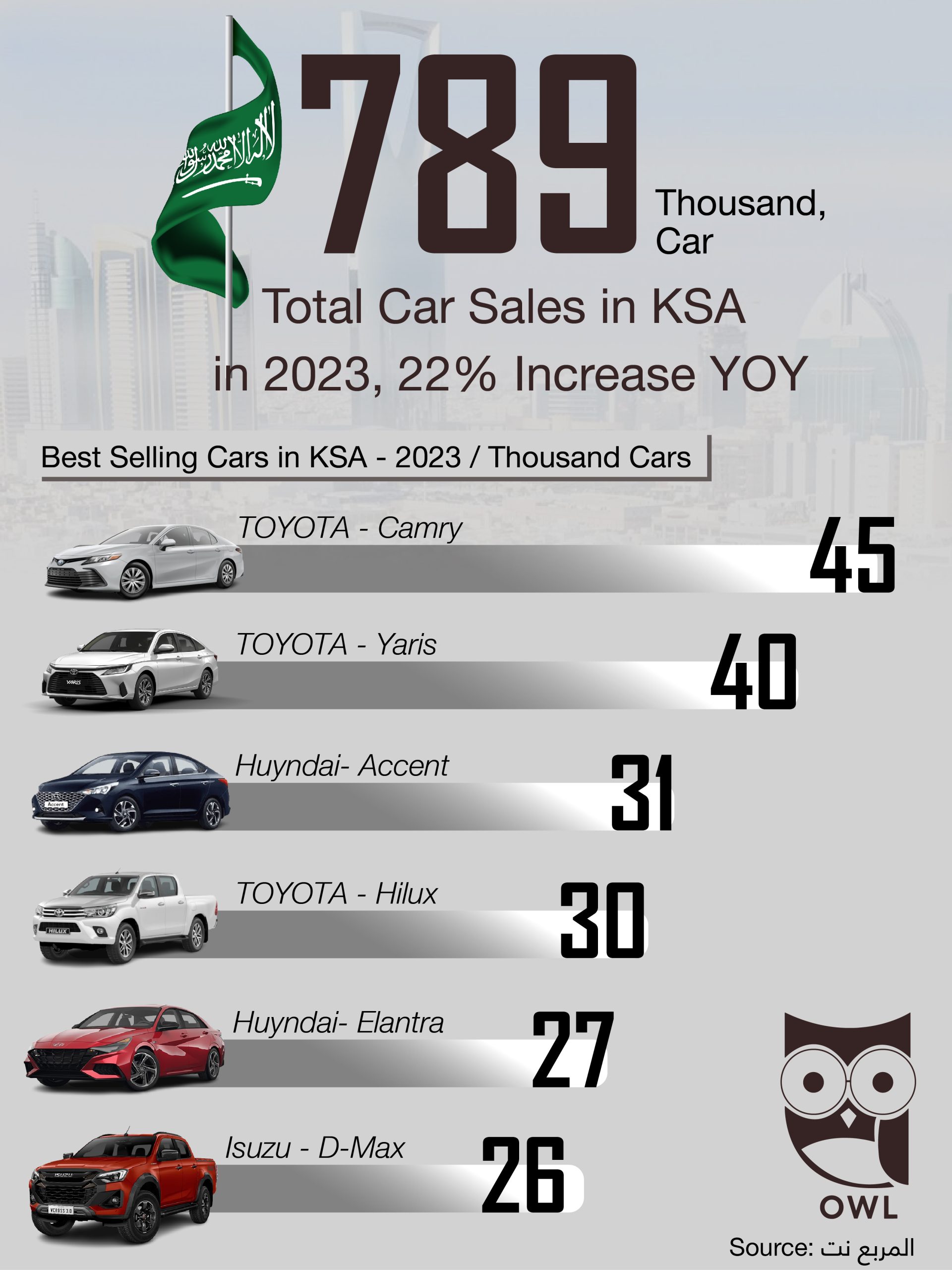
The Saudi Arabian vehicle market in 2023 witnessed a remarkable turnaround, with total sales reaching 729,466 units, a significant 16.9% increase from the previous year. This impressive performance came after a period of relative stagnation, where the market had struggled to regain its footing in the aftermath of the global economic downturn and the COVID-19 pandemic.
One of the standout features of the 2023 market was the consistent growth observed throughout the year, with the exception of a slight dip in December, which saw a 1.3% decrease in sales. This interruption in the market’s upward trajectory was a mere blip, as the overall trend remained firmly positive.
Dominant Brands and Rising Stars: An Analysis of Market Share Shifts
The Saudi Arabian automotive market is characterized by a dynamic landscape, with established players jostling for dominance alongside emerging brands making their mark. In 2023, the market was led by Toyota, which maintained its position as the top-selling brand, accounting for 30.2% of total sales and recording an 11.5% increase in volumes.
Hyundai secured the second spot, with a 25.1% surge in sales, solidifying its position as a formidable competitor in the market. Nissan, Kia, and Ford all made significant strides, with Kia and Ford climbing the rankings to claim the fourth and fifth positions, respectively.
One particularly notable performance came from Suzuki, which rose four spots to claim the tenth position, recording an impressive 100.6% increase in sales. This meteoric rise underscores the brand’s growing appeal and its ability to cater to the evolving preferences of Saudi Arabian consumers.
Shifting Preferences: The Rise of SUVs and the Emergence of Electric Vehicles
The Saudi Arabian automotive market is witnessing a fundamental shift in consumer preferences, with a growing demand for SUVs and the gradual adoption of electric vehicles (EVs).
In 2022, SUVs accounted for a remarkable 57.7% of new car registrations, up from 53.7% the previous year. This trend reflects the Saudi Arabian consumers’ preference for vehicles that offer a combination of practicality, comfort, and versatility, catering to the diverse needs of families and adventurous individuals alike.
Alongside the SUV boom, the Saudi Arabian market is also witnessing the emergence of electric vehicles. In 2022, EVs accounted for 2.9% of new car registrations, a significant increase from 1.9% in 2021. This shift is driven by government incentives and the growing awareness of the environmental benefits of electric mobility, as well as the improving accessibility and affordability of EV models.
The Online Revolution: The Increasing Popularity of Digital Car Buying
Another notable trend in the Saudi Arabian automotive market is the growing popularity of online car buying. In 2022, a remarkable 15.0% of new car purchases were made online, a substantial increase from 12.0% in the previous year.
This shift towards digital platforms is driven by the convenience, flexibility, and accessibility that online car buying offers. Consumers in Saudi Arabia are increasingly embracing the ability to research, compare, and even complete the entire purchase process from the comfort of their homes, without the need for physical dealership visits.
This trend is expected to continue gaining momentum, as both automakers and dealerships invest in enhancing their digital capabilities and providing seamless online shopping experiences to cater to the evolving preferences of Saudi Arabian consumers.
Navigating Challenges: Addressing Inflation, Semiconductor Shortages, and Used Car Prices
While the Saudi Arabian automotive market is experiencing a resurgence, it is not without its challenges. One of the primary concerns is the rising inflation, which has the potential to make cars more expensive and impact consumer purchasing power.
Additionally, the ongoing semiconductor shortage, a global issue, is affecting the production and availability of new vehicles, making it increasingly difficult for automakers to meet the growing demand in the Saudi Arabian market.
Another challenge is the increase in used car prices, which have become more affordable than new cars in recent years. This trend poses a potential threat to the sales of new vehicles, as consumers may opt for used alternatives to manage their budgets.
Embracing the Future: Opportunities in the Saudi Arabian Automotive Market
Despite the challenges, the Saudi Arabian automotive market presents numerous opportunities for growth and innovation. The increasing popularity of SUVs and the emergence of electric vehicles offer automakers the chance to cater to the evolving preferences of consumers and position themselves as leaders in the market.
Moreover, the government’s focus on promoting sustainable mobility and the introduction of incentives for electric vehicles create an enabling environment for the adoption of eco-friendly transportation solutions. Automakers that can effectively leverage these opportunities and adapt their product portfolios to meet the changing demands will be well-positioned to capitalize on the market’s potential.
Navigating the Digital Landscape: The Rise of Online Car Buying
The growing preference for online car buying in Saudi Arabia presents a significant opportunity for automakers and dealerships to enhance their digital capabilities and provide seamless, customer-centric experiences. By investing in robust e-commerce platforms, virtual showrooms, and user-friendly interfaces, industry players can tap into the evolving preferences of Saudi Arabian consumers and cement their positions as trusted partners in the digital age.
Fostering Partnerships and Collaborations
To navigate the complexities of the Saudi Arabian automotive market, industry players should consider fostering strategic partnerships and collaborations. This could involve collaborations with local distributors, technology providers, or even government entities to leverage their expertise, resources, and market insights.
Such partnerships can help automakers and dealerships overcome challenges, such as the semiconductor shortage, by exploring alternative sourcing channels or developing innovative solutions. Additionally, collaborations with local stakeholders can provide valuable insights into consumer preferences and enable the development of tailored products and services that cater to the unique needs of the Saudi Arabian market.
Embracing Sustainability and Innovation
As the Saudi Arabian automotive market evolves, the emphasis on sustainability and innovation will become increasingly crucial. Automakers that can integrate eco-friendly technologies, such as electric vehicles and hybrid powertrains, into their product portfolios will be well-positioned to capitalize on the growing consumer demand for environmentally conscious transportation solutions.
Moreover, the incorporation of advanced features, such as autonomous driving capabilities, connected car technologies, and personalized in-vehicle experiences, can differentiate brands and appeal to the tech-savvy Saudi Arabian consumers. By embracing sustainability and innovation, automakers can establish themselves as forward-thinking industry leaders and solidify their long-term competitiveness in the market.
Adapting to Regulatory Changes
The Saudi Arabian automotive market is subject to a dynamic regulatory landscape, with the government introducing various policies and incentives to shape the industry’s trajectory. Automakers and dealerships must closely monitor these regulatory changes and adapt their strategies accordingly to ensure compliance and capitalize on emerging opportunities.
For instance, the government’s initiatives to promote electric vehicle adoption, such as tax incentives and the development of charging infrastructure, present a significant opportunity for automakers to align their product portfolios and marketing strategies with the evolving regulatory environment.
Investing in Talent and Skill Development
To thrive in the Saudi Arabian automotive market, industry players must invest in the development of their workforce. This includes attracting and retaining top talent, providing comprehensive training programs, and fostering a culture of innovation and continuous learning.
By investing in their human capital, automakers and dealerships can ensure that they have the necessary expertise to navigate the market’s complexities, adapt to technological advancements, and deliver exceptional customer experiences. This, in turn, can contribute to the long-term success and competitiveness of the industry in the Saudi Arabian market.
Conclusion
The Saudi Arabian automotive market has demonstrated remarkable resilience and a strong trajectory of growth in 2023. From the dominance of established brands to the rise of emerging players, the market is undergoing a dynamic transformation, driven by shifting consumer preferences, the embrace of digital platforms, and the pursuit of sustainability and innovation.
As industry players navigate the evolving landscape, they must address the challenges posed by inflation, semiconductor shortages, and used car prices, while capitalizing on the opportunities presented by the SUV boom, the emergence of electric vehicles, and the growing popularity of online car buying.
By fostering strategic partnerships, investing in talent and skill development, and adapting to the regulatory changes, automakers and dealerships can position themselves as leaders in the Saudi Arabian automotive market, poised to deliver exceptional customer experiences and drive the industry’s long-term success.