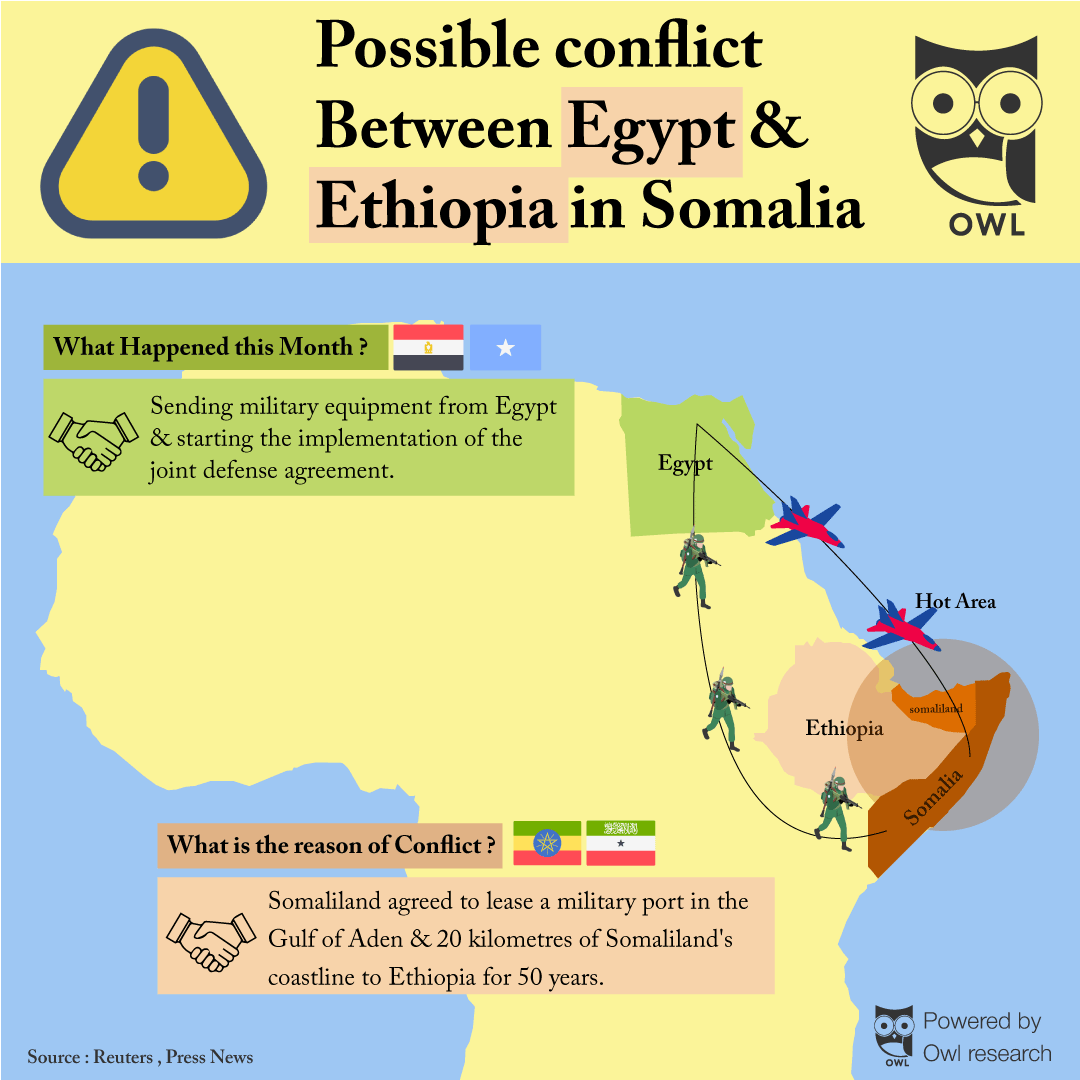
The Horn of Africa, a strategically vital region, has become a hotbed of geopolitical tensions in recent years. At the heart of this turmoil lies the complex and multifaceted relationship between Egypt, Ethiopia, and Somalia. As these nations grapple with long-standing disputes and emerging challenges, the delicate balance of power in the region hangs in the balance.
The Nile River Conundrum: Egypt vs. Ethiopia
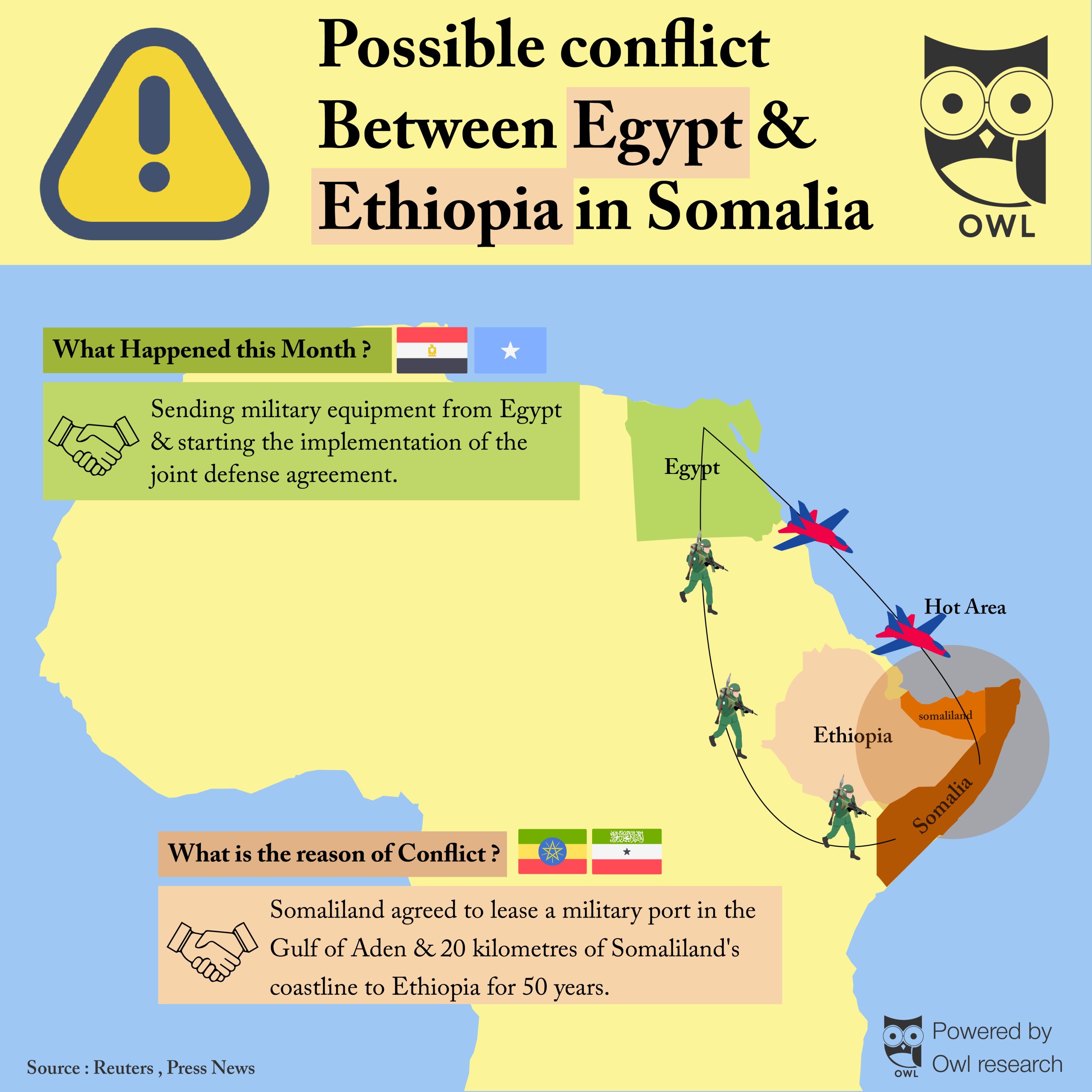
The construction of the Grand Ethiopian Renaissance Dam (GERD) on the Blue Nile, a key tributary of the Nile River, has been a source of immense concern for Egypt. Cairo views the dam as a direct threat to its water security, as the Nile is the lifeblood of Egypt’s agricultural sector and a critical resource for its population of over 110 million. Despite years of negotiations, Egypt and Ethiopia have failed to reach a lasting agreement, leaving the region in a state of heightened tension.
Somalia’s Shifting Alliances: Courting Egypt
Amidst this backdrop, Somalia has emerged as a crucial player in the regional power struggle. The Somali government, led by President Hassan Sheikh Mohamud, has sought to strengthen its ties with Egypt, a move that has raised alarm bells in Ethiopia. In August 2024, Cairo and Mogadishu signed a comprehensive security agreement, paving the way for the deployment of Egyptian troops and military equipment to Somalia.
Egypt’s Strategic Objectives in Somalia
Egypt’s military presence in Somalia is driven by a multifaceted set of objectives. Firstly, Cairo aims to bolster the capabilities of the Somali armed forces in their fight against the Islamist militant group Al-Shabaab, which has plagued the country with deadly attacks. Secondly, Egypt seeks to support the unity and territorial integrity of Somalia, which has been challenged by the secessionist aspirations of the breakaway region of Somaliland.
The Somaliland Factor: Ethiopia’s Outreach and Somalia’s Concerns
The dispute over Somaliland’s status has further complicated the regional dynamics. Earlier this year, Ethiopia signed a preliminary agreement with Somaliland to lease land along the coast, a move that has strained relations between Addis Ababa and the Somali government in Mogadishu. Somaliland’s secession from Somalia more than three decades ago has yet to be recognized by the African Union or the United Nations, and the Somali federal government views the Ethiopia-Somaliland deal as a violation of its sovereignty.
Egypt’s Escalation: Troop Deployments and Military Aid
In a significant escalation, Egypt has reportedly deployed 10,000 troops to Somalia as part of its new peacekeeping mission. This deployment, facilitated by the security pact between Cairo and Mogadishu, has included the delivery of weapons and military equipment to the Somali armed forces. This move has further exacerbated tensions in the region, with Ethiopia expressing concerns over the potential destabilizing effects of Egypt’s military presence in Somalia.
Geopolitical Implications: Shaping the Balance of Power
Egypt’s military involvement in Somalia is widely seen as a strategic maneuver to counter Ethiopia’s regional influence and assert its own dominance in the Horn of Africa. By aligning with Somalia, Cairo aims to undermine Addis Ababa’s efforts to gain greater access to the Red Sea and secure its interests in the region. This escalation has the potential to trigger a broader regional conflict, with far-reaching consequences for the stability and security of the Horn of Africa.
The Bab el-Mandeb Strait: A Crucial Chokepoint
The Bab el-Mandeb Strait, a strategic waterway connecting the Red Sea and the Gulf of Aden, has emerged as a key area of concern. Egypt’s desire to enhance Somalia’s participation in securing this vital chokepoint is seen as a move to project its influence and potentially disrupt Ethiopia’s access to the sea.
The Role of External Actors: Shifting Alliances and Power Dynamics
The complex web of alliances and rivalries in the Horn of Africa extends beyond the immediate players. The involvement of external actors, such as the United States and other global powers, has further complicated the regional dynamics. These external stakeholders have their own interests and agendas, which can exacerbate or mitigate the tensions in the region.
Diplomatic Efforts and the Search for a Resolution
Amidst the escalating tensions, various diplomatic efforts have been undertaken to find a peaceful resolution to the disputes. However, the deep-rooted historical grievances and the high stakes involved have made it challenging to reach a lasting agreement. The future of the region will largely depend on the ability of the key players to engage in constructive dialogue, compromise, and prioritize regional stability over narrow national interests.
Implications for Regional Security and Stability
The unfolding events in the Horn of Africa have significant implications for the region’s security and stability. The potential for military confrontation, the disruption of trade and economic activities, and the displacement of civilian populations are all pressing concerns. The stability and prosperity of the Horn of Africa are not only crucial for the local populations but also have far-reaching consequences for the broader geopolitical landscape.
The Way Forward: Navigating Uncharted Waters
As the tensions in the Horn of Africa continue to escalate, the international community must play a constructive role in facilitating dialogue, promoting conflict resolution, and encouraging the key players to prioritize regional cooperation over confrontation. The path forward will require a delicate balance of diplomacy, compromise, and a recognition of the shared interests and interdependence of the nations in the region.
Conclusion: A Pivotal Moment in the Horn of Africa
The unfolding events in the Horn of Africa represent a pivotal moment in the region’s history. The complex web of disputes, shifting alliances, and military maneuverings have the potential to reshape the geopolitical landscape of this strategically crucial part of the world. As the region stands at a crossroads, the actions and decisions of the key players will have far-reaching implications for the stability, security, and prosperity of the Horn of Africa and beyond.