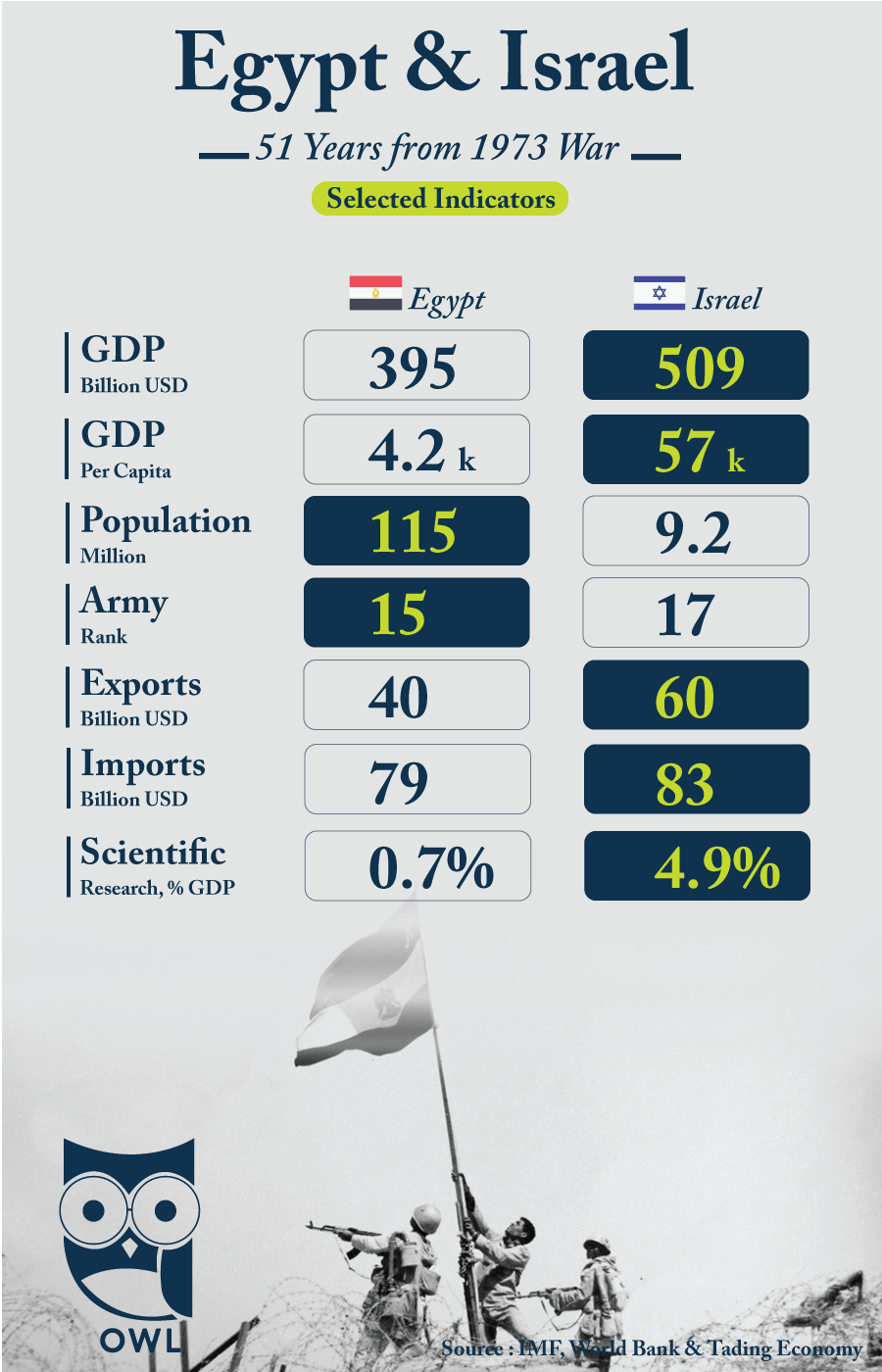
The historical relationship between Egypt and Israel is marked by a series of conflicts, treaties, and evolving diplomatic ties that have shaped the geopolitical landscape of the Middle East. This intricate narrative begins with ancient civilizations, progresses through colonial influences, and culminates in modern-day confrontations and peace efforts. Understanding this rich history is essential for grasping the current dynamics in the region, where both nations play pivotal roles.
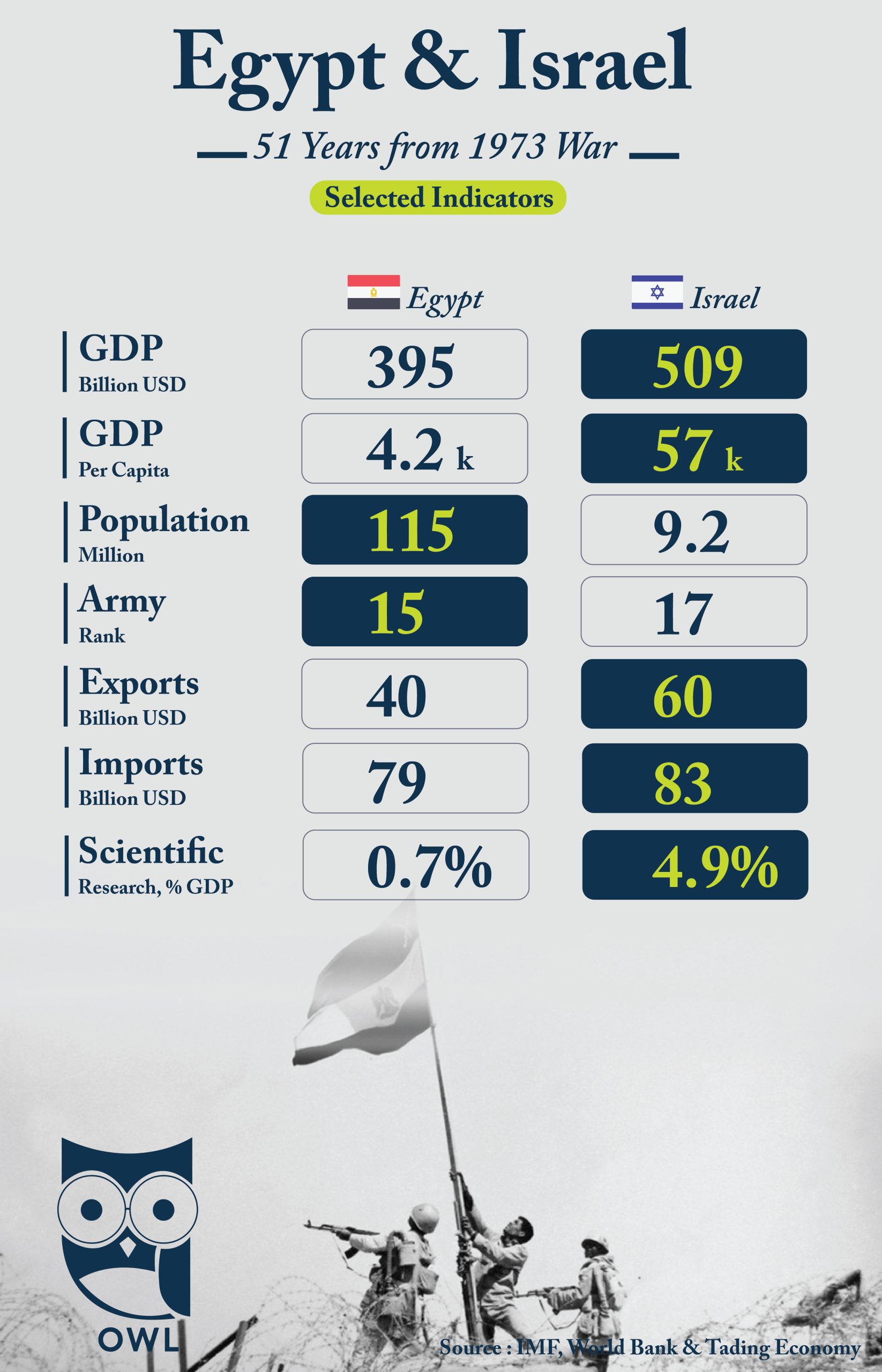
Early Historical Context
Ancient Civilizations
The origins of the relationship between Egypt and Israel can be traced back to ancient times. Egypt, one of the world’s earliest civilizations, was known for its monumental architecture, advanced governance, and rich cultural heritage. In contrast, the land that is now Israel was inhabited by various Semitic tribes, including the Hebrews, who are often referenced in Egyptian texts.
- Pharaohs and the Hebrews: The biblical narrative describes the Israelites’ enslavement in Egypt, culminating in the Exodus led by Moses. This foundational story has deeply influenced Jewish identity and culture.
- Cultural Exchanges: Despite conflicts, there were periods of cultural exchange, trade, and intermarriage between Egyptians and the peoples of the Levant, including the early Israelites.
The Hellenistic and Roman Periods
As empires rose and fell, the region experienced various rulers, including the Greeks and Romans. The influence of these empires further complicated the relationship between Egypt and the territories that would become Israel.
- Cultural Syncretism: The Hellenistic period saw the blending of Greek and Egyptian cultures, leading to advancements in philosophy, science, and the arts.
- Roman Rule: Under Roman dominion, both Egypt and the land of Israel experienced significant changes, including the spread of Christianity, which would later play a crucial role in the region’s history.
The Ottoman Era and British Mandate
Ottoman Control
For centuries, Egypt and the land of Israel were part of the Ottoman Empire, which facilitated trade and cultural exchanges but also sowed the seeds of nationalistic sentiments among the local populations.
- Administrative Divisions: Egypt was governed as a semi-autonomous province, while Palestine was administered directly by the Ottomans, leading to distinct political identities.
- Emergence of Nationalism: The decline of the Ottoman Empire in the late 19th century sparked nationalist movements among both Arabs and Jews, setting the stage for future conflicts.
British Mandate and the Balfour Declaration
After World War I, the British took control of both Egypt and Palestine, leading to significant changes in the political landscape.
- Balfour Declaration: In 1917, Britain expressed support for a Jewish homeland in Palestine, igniting tensions between Jewish immigrants and the Arab population.
- Growing Hostilities: The conflicting promises made by the British to both Jews and Arabs led to increasing violence and unrest in the region.
The Birth of Israel and the Arab-Israeli Conflict
The 1948 War
The establishment of the State of Israel in 1948 marked a turning point in Egyptian-Israeli relations. The declaration of independence was met with immediate military opposition from neighboring Arab states, including Egypt.
- War of Independence: The conflict resulted in significant territorial changes and the displacement of many Palestinians, an event referred to as the Nakba, or “Catastrophe.”
- Formation of Refugees: The war created a large population of Palestinian refugees, many of whom sought refuge in neighboring countries, including Egypt.
The Suez Crisis of 1956
The Suez Crisis was a pivotal moment in Egyptian-Israeli relations, characterized by geopolitical maneuvering and military engagement.
- Nasser’s Nationalism: Egyptian President Gamal Abdel Nasser nationalized the Suez Canal, previously controlled by British and French interests, prompting a military response from Israel, Britain, and France.
- Military Engagement: Israel invaded the Sinai Peninsula, but international pressure, particularly from the United States and the Soviet Union, forced a withdrawal, showcasing the complexities of Cold War politics.
The Six-Day War and Its Aftermath
Prelude to War
Tensions continued to escalate in the years leading up to the Six-Day War in 1967, marked by border skirmishes and hostile rhetoric.
- Military Alliances: Egypt and other Arab nations formed alliances, leading to increased military preparedness against Israel.
- Preemptive Strike: On June 5, 1967, Israel launched a preemptive strike against Egypt, effectively crippling its air force and leading to a swift victory.
Territorial Changes
The outcome of the Six-Day War had profound implications for both Egypt and Israel.
- Occupation of Territories: Israel gained control over the Sinai Peninsula, Gaza Strip, West Bank, and Golan Heights, significantly altering the map of the region.
- Impact on Egypt: The loss of the Sinai Peninsula was a major blow to Egypt, leading to a period of introspection and military modernization.
The Yom Kippur War and Subsequent Peace Efforts
The 1973 Yom Kippur War
The Yom Kippur War, initiated by Egypt and Syria on the Jewish holy day of Yom Kippur, aimed to reclaim lost territories.
- Surprise Attack: Egyptian forces crossed the Suez Canal, catching Israeli forces off guard and initially achieving significant territorial gains.
- Stalemate and Ceasefire: Despite early successes, the war ended in a stalemate, leading to a ceasefire and renewed diplomatic efforts.
Camp David Accords
The Camp David Accords in 1978 marked a significant turning point in Egyptian-Israeli relations.
- Historic Peace Treaty: Egyptian President Anwar Sadat and Israeli Prime Minister Menachem Begin, brokered by U.S. President Jimmy Carter, signed a peace treaty that returned the Sinai Peninsula to Egypt.
- Normalization of Relations: The treaty established diplomatic relations between the two nations, setting a precedent for future peace agreements in the region.
The Role of the United States
Strategic Alliance
The United States has played a crucial role in shaping the dynamics between Egypt and Israel, often acting as a mediator.
- Military Aid: U.S. military assistance to both countries has reinforced their respective positions and contributed to regional stability.
- Diplomatic Engagement: American diplomacy has been instrumental in facilitating peace talks and addressing ongoing conflicts.
Impact on Regional Politics
The U.S. involvement in the Egypt-Israel relationship has had broader implications for Middle Eastern geopolitics.
- Shifts in Alliances: The peace treaty between Egypt and Israel led to shifts in alliances, with Egypt becoming a key U.S. ally in the Arab world.
- Reactions from Other Nations: The normalization of relations between Egypt and Israel has been met with resistance from other Arab nations, complicating regional dynamics.
Contemporary Relations and Ongoing Conflicts
Current Diplomatic Ties
Today, Egypt and Israel maintain a complex relationship characterized by cooperation and tension.
- Security Collaboration: Both nations collaborate on security matters, particularly in combating terrorism and managing border security.
- Economic Ties: Economic cooperation has also grown, with trade and tourism playing significant roles in their bilateral relationship.
Ongoing Tensions
Despite the peace treaty, tensions persist, particularly regarding the Palestinian issue.
- Gaza Strip Conflicts: Egypt’s relationship with Hamas, the ruling authority in Gaza, complicates its ties with Israel, especially during periods of heightened conflict.
- Public Sentiment: Public opinion in Egypt remains largely sympathetic to the Palestinian cause, influencing political discourse and government policies.
The Role of the Palestinian Issue
Historical Context
The Palestinian issue has been a central point of contention in Egyptian-Israeli relations.
- Displacement and Refugees: The creation of Israel and subsequent wars resulted in a significant Palestinian refugee crisis, with many seeking refuge in Egypt.
- Continued Struggles: The ongoing struggle for Palestinian statehood and rights has fueled tensions and complicates peace efforts.
Egypt’s Position
Egypt has historically positioned itself as a mediator in the Israeli-Palestinian conflict.
- Diplomatic Initiatives: Egypt has hosted numerous peace talks and initiatives aimed at resolving the conflict, emphasizing the need for a two-state solution.
- Humanitarian Concerns: The Egyptian government often expresses concern for the humanitarian situation in Gaza, advocating for international support and intervention.
The Future of Egypt-Israel Relations
Prospects for Peace
The future of relations between Egypt and Israel hinges on several factors.
- Regional Stability: Ongoing conflicts, such as those in Syria and Libya, impact the broader security landscape and influence bilateral relations.
- International Dynamics: Global geopolitical shifts, including U.S. foreign policy changes, could reshape the dynamics between the two nations.
Potential Challenges
Despite efforts to maintain peace, several challenges persist.
- Radicalization: The rise of extremist groups poses a threat to stability in both countries, complicating security cooperation.
- Public Opinion: Domestic pressures and public sentiment regarding the Palestinian issue may influence future government policies and relations.
Conclusion
The historical relationship between Egypt and Israel is a tapestry woven with conflict, diplomacy, and evolving ties. From ancient civilizations to modern political realities, the interplay between these two nations continues to shape the Middle East. As they navigate the complexities of their relationship, understanding their shared history and the enduring challenges they face is crucial for fostering lasting peace in the region.