The United States has long maintained a significant military presence across the Middle East and North Africa (MENA) region, a strategic move driven by complex geopolitical dynamics and the need to safeguard American interests. This expansive footprint has continued to evolve in recent years, with the U.S. forces adapting to emerging threats and shifting regional alliances.
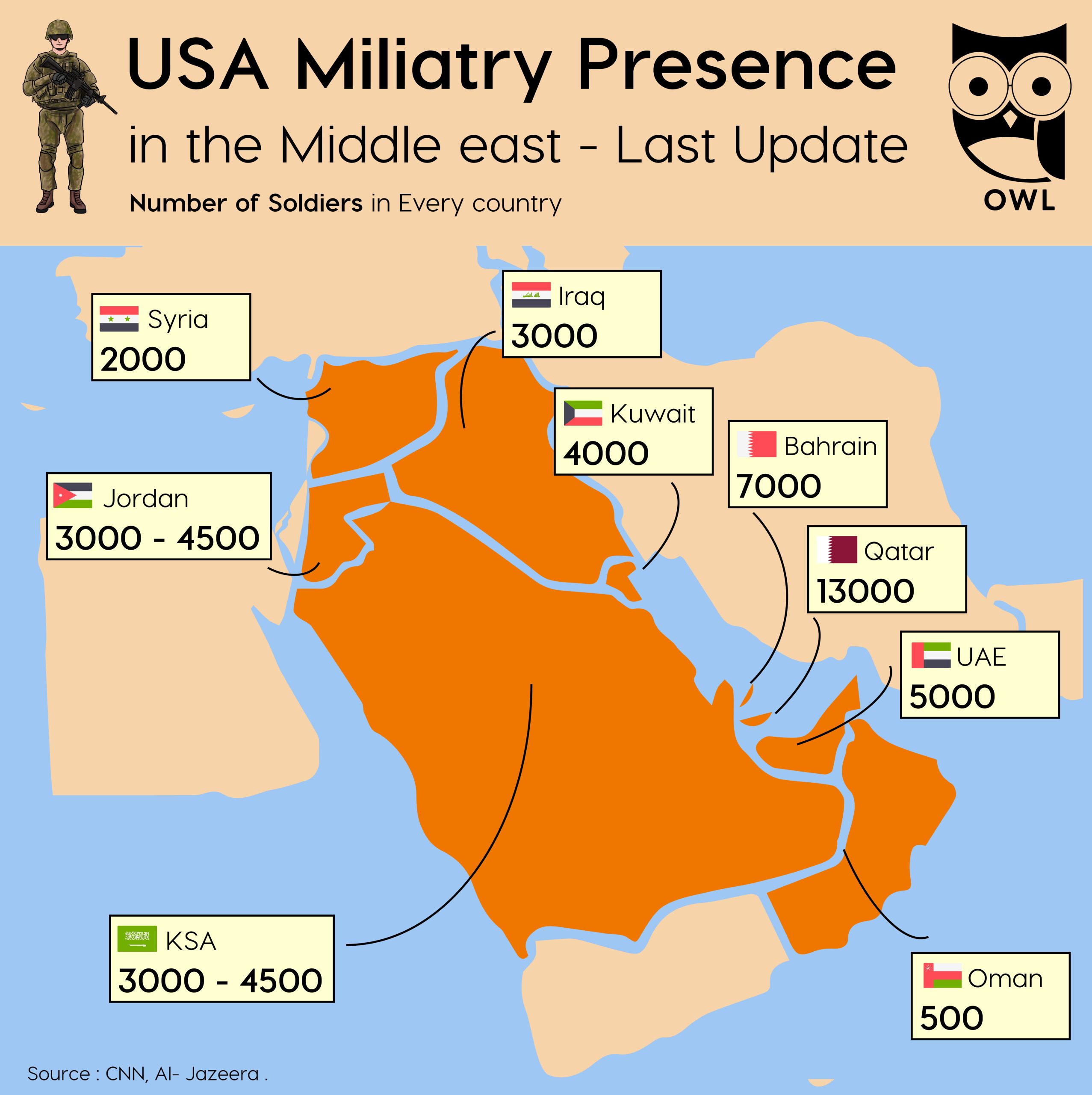
As tensions flare between Israel and Iran-backed groups, and the specter of a wider conflict looms, the U.S. military’s role in the MENA region has become increasingly crucial. From deterring aggression to providing security assistance and protecting vital maritime trade routes, the American armed forces have taken on a multifaceted mission in this volatile part of the world.
In this comprehensive article, we’ll explore the intricate tapestry of the U.S. military presence in the MENA region, delving into the strategic rationale, the evolving force posture, and the key challenges faced by American forces operating in this dynamic theater.
Mapping the U.S. Military Footprint in the MENA Region
The United States maintains a substantial military presence across the Middle East and North Africa, with forces stationed in more than a dozen countries and on naval vessels throughout the region’s waterways. This extensive footprint has expanded in recent years as the U.S. focuses on deterring and countering threats from Iran and its network of armed affiliates, including Hamas, Hezbollah, the Houthis, and various militant groups in Iraq and Syria.
Permanent and Temporary Bases
The U.S. military has established a network of permanent and temporary bases across the MENA region, with strategic hubs in countries such as Bahrain, Egypt, Iraq, Israel, Jordan, Kuwait, Qatar, Saudi Arabia, Syria, and the United Arab Emirates. These facilities serve as command centers, logistical hubs, and staging grounds for a wide range of military operations.
Among the most prominent U.S. military installations in the region is the headquarters of the U.S. Central Command (CENTCOM) in Qatar, which oversees American forces throughout the Middle East. Additionally, the U.S. Navy’s Fifth Fleet is headquartered in Bahrain, making it a crucial hub for maritime operations in the Persian Gulf and surrounding waters.
Fluctuating Force Levels
The size of the U.S. military presence in the MENA region is not static, with troop levels and the deployment of naval assets fluctuating in response to evolving security threats and geopolitical developments. As of June 2024, the U.S. had several thousand service members stationed in the region, along with several thousand more aboard ships at sea.
These force levels can surge if a broader conflict erupts, as evidenced by the recent deployments of the USS Gerald R. Ford and USS Dwight D. Eisenhower Carrier Strike Groups, as well as an Ohio-class submarine, to the U.S. Central Command area of responsibility.
Defending U.S. Interests and Deterring Threats
The primary objectives driving the U.S. military presence in the MENA region are the protection of American forces and citizens, the provision of security assistance to allies like Israel, and the deterrence of potential adversaries, particularly Iran and its proxy groups.
Protecting U.S. Forces and Citizens
The U.S. military has taken steps to safeguard its personnel and American citizens in the region, as evidenced by the recent attacks by Iranian proxy groups on U.S. bases in Iraq and Syria. These incidents, which resulted in dozens of injuries, including traumatic brain injuries, have underscored the need for heightened security measures and vigilance.
Strengthening Security Assistance to Allies
The U.S. has also prioritized the flow of critical security assistance to its regional allies, such as Israel, as they defend against terrorist threats like Hamas. This support includes the coordination of efforts to secure the release of American hostages held by these groups.
Deterring Escalation and Aggression
To deter any state or non-state actors from escalating the crisis beyond the Gaza Strip, the U.S. has bolstered its force posture across the MENA region. This includes the deployment of additional naval assets, such as carrier strike groups and submarines, to project power and signal American resolve.
Navigating Regional Tensions and Conflicts
The U.S. military presence in the MENA region has become increasingly complex as tensions between Israel and Iran-backed groups have flared, raising the specter of a wider regional conflict.
Hostilities between Israel and Iran’s Proxies
The outbreak of war between Hamas and Israel in October 2023 has led to a surge in attacks by Iranian proxy groups against U.S. forces in the region. These include strikes by drones and missiles on bases in Iraq and Syria, underscoring the growing threat posed by these non-state actors.
Potential for a Wider Regional Conflict
Many foreign policy experts warn of the growing prospects for a broader war in the MENA region, which would likely involve U.S. forces. Such a scenario could draw in a range of state and non-state actors, further complicating the operational environment for American troops.
Protecting Maritime Trade Routes
In addition to the threats posed by Iran and its proxies on land, the U.S. military has also been actively involved in securing vital maritime trade routes in the Red Sea and Gulf of Aden. This includes defending against the near-daily drone and missile attacks launched by the Houthi rebels in Yemen against merchant shipping.
Challenges and Considerations for the U.S. Military
As the U.S. military navigates the evolving landscape in the MENA region, it faces a range of challenges and considerations that shape its strategic approach and operational planning.
Balancing Competing Priorities
The U.S. military must carefully balance its various lines of effort in the region, which include the protection of U.S. forces and citizens, the provision of security assistance to allies, the coordination of hostage release efforts, and the strengthening of the overall force posture to deter aggression.
Adapting to Asymmetric Threats
The U.S. forces in the MENA region must also contend with the threat posed by non-state actors and their use of asymmetric tactics, such as drone and missile attacks. Addressing these evolving threats requires continuous adaptation and the development of innovative countermeasures.
Navigating Geopolitical Complexities
The MENA region is characterized by a web of complex geopolitical dynamics, alliances, and rivalries. The U.S. military must navigate this intricate landscape, fostering cooperation with regional partners while also managing the competing interests and agendas of various state and non-state actors.
Ensuring Resilience and Readiness
Maintaining the resilience and readiness of U.S. forces in the MENA region is a critical priority, as evidenced by the recent incidents of injuries sustained by American personnel. Enhancing medical capabilities, improving injury reporting, and prioritizing the well-being of service members are all essential elements of this effort.
Conclusion
The U.S. military’s presence in the Middle East and North Africa region has evolved significantly in recent years, reflecting the complex and dynamic security environment in this strategically vital part of the world. From deterring aggression and providing security assistance to protecting vital maritime trade routes, the American armed forces have taken on a multifaceted mission in the MENA region.
As tensions continue to simmer and the prospect of a broader regional conflict looms, the U.S. military must remain vigilant, adaptable, and responsive to the evolving threats and challenges it faces. By leveraging its extensive footprint, advanced capabilities, and strategic partnerships, the U.S. military can continue to safeguard American interests and contribute to regional stability in the years to come