As the war in Gaza extends beyond a year, Israel is reportedly facing significant internal military and economic strain, leading to an increased reliance on foreign mercenaries to bolster its forces. This trend, while presented as a modern necessity, has deep historical roots in the state’s founding.



The Push for Foreign Fighters
Reports indicate that after a long and costly war, approximately a quarter of Israeli army reservists have refused call-up orders. The widespread mobilization has also inflicted heavy economic losses. To compensate for this shortage in manpower, Israeli authorities have turned to recruiting mercenaries, offering substantial financial incentives.
Sources of Recruitment
The recruitment efforts appear to target two primary groups:
- African Immigrants and Asylum Seekers: Israel has pressured tens of thousands of African migrants and asylum seekers—primarily from Eritrea, Sudan, and Ethiopia—to fight in Gaza. In return, they are promised legal residency and settled immigration status.
- Specific Ethnic and Diaspora Groups: Organizations have been active in countries like Ethiopia, recruiting Ethiopian Jews (Beta Israel) with promises of citizenship, work, and residency in Israel after the war. Estimates suggest over 17,000 were recruited by late 2024.
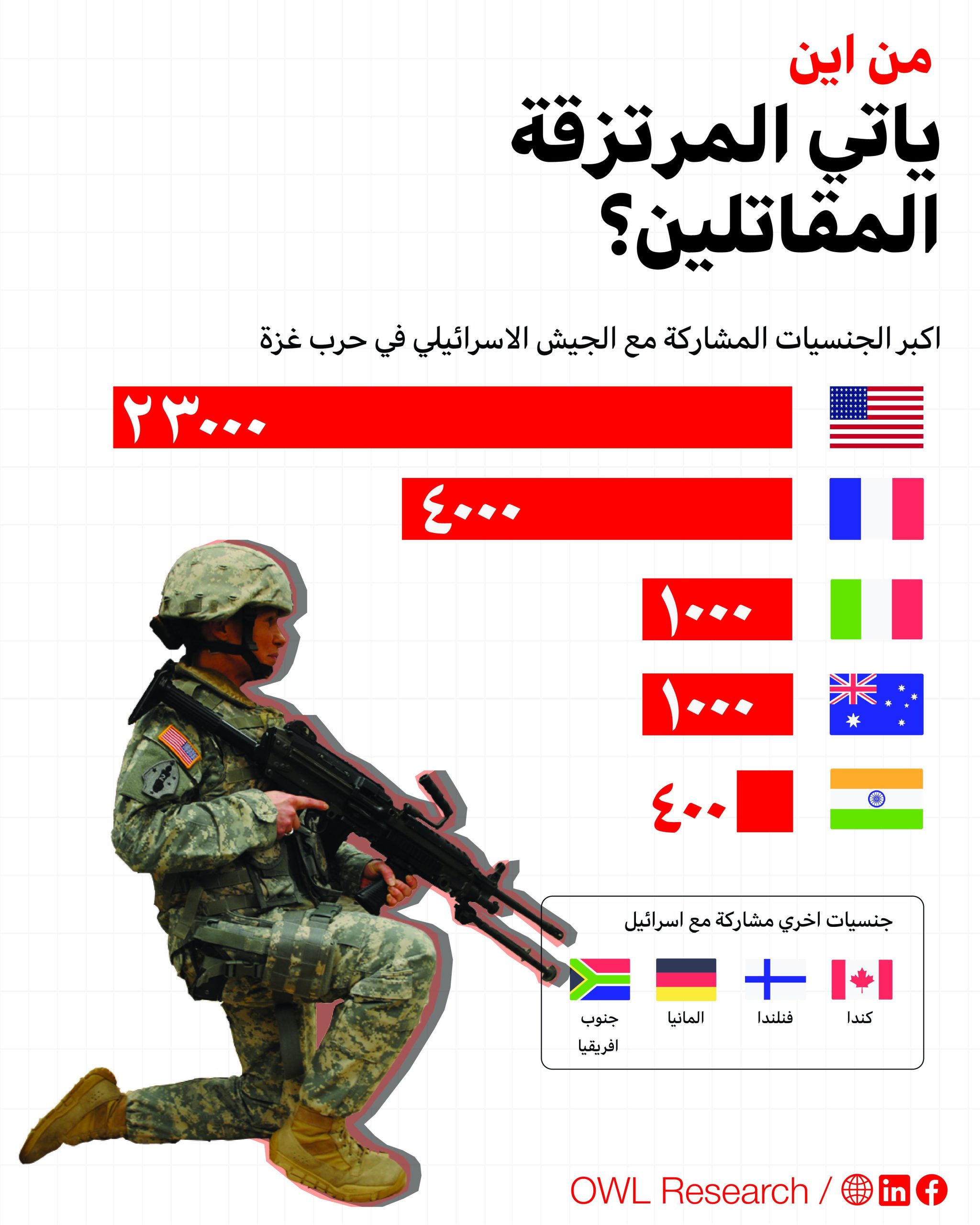
Mercenaries from other nationalities, including Canada, Finland, Germany, and South Africa, are also reported to be fighting alongside the Israeli military.
A Longstanding Institutional Practice
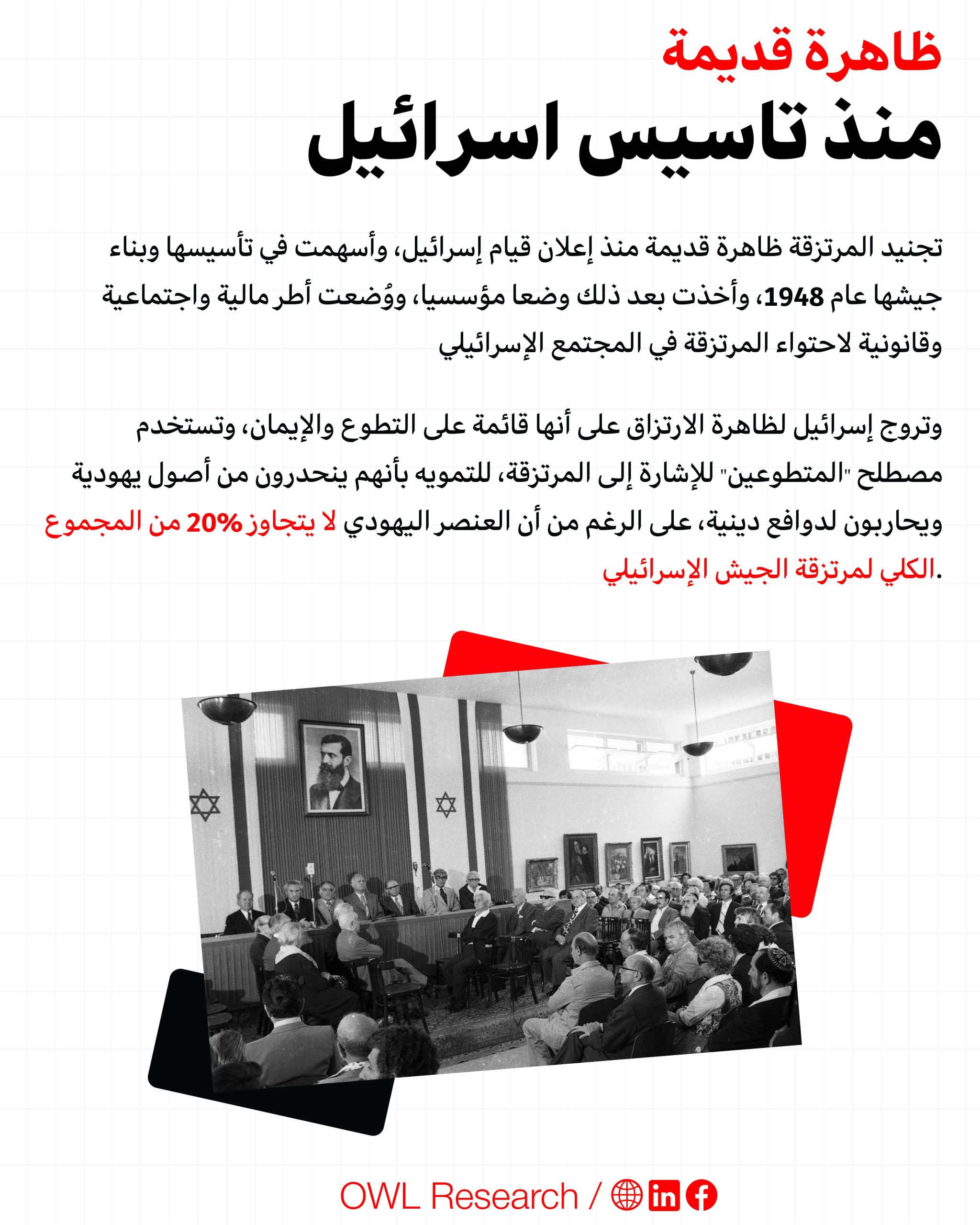
This is not a new phenomenon. The practice of recruiting foreign fighters has been institutional since Israel’s establishment in 1948, contributing to the founding and building of its army. Israel has established financial, social, and legal frameworks to incorporate these combatants, often officially referring to them as “volunteers” motivated by religious faith, despite reports that the Jewish element among them may not exceed 20%.
This strategy allows Israel to sustain its military campaign while mitigating domestic conscription refusal and economic pressure. However, it raises significant ethical and legal questions about the use of financial coercion and immigration status to recruit combatants, particularly from vulnerable migrant populations.