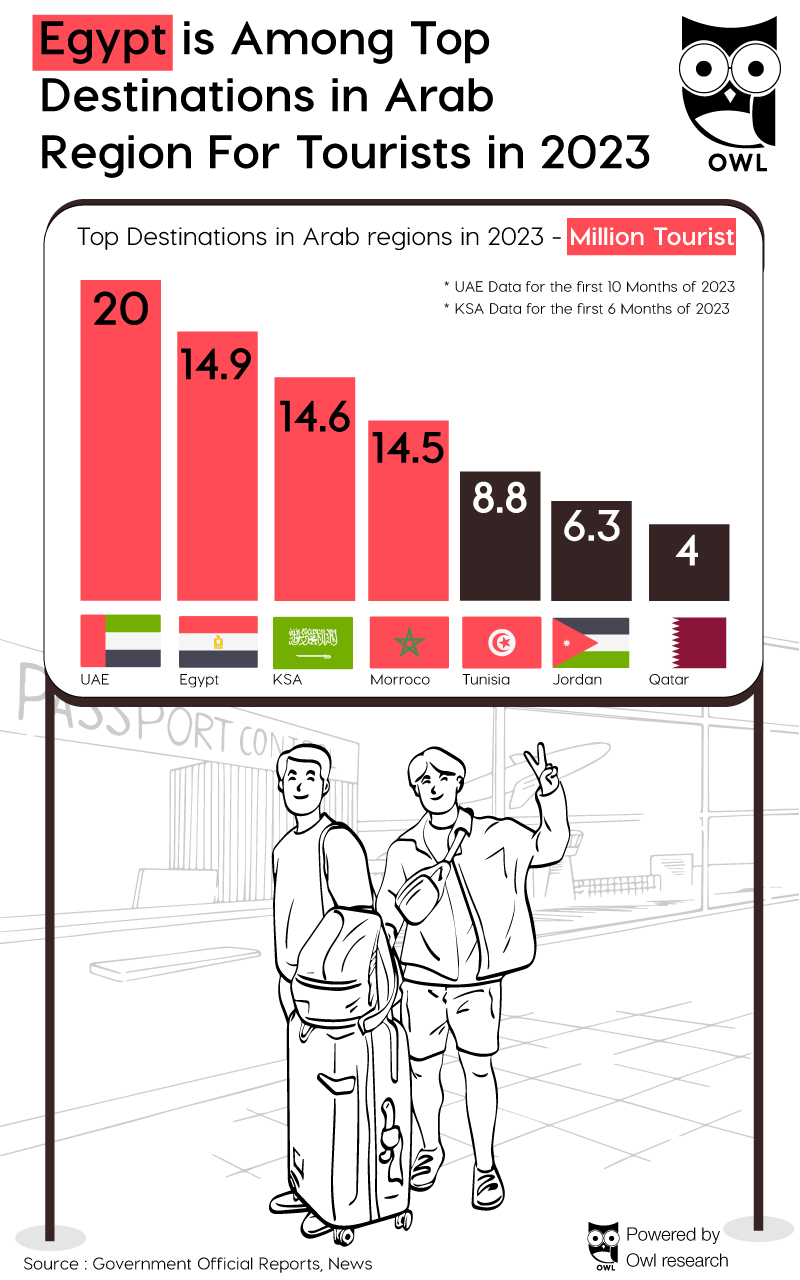
The Middle East and North Africa (MENA) region has long captivated the global imagination as a land of contrasts – from the vast, arid deserts to the bustling, cosmopolitan cities, from the ancient ruins that whisper of bygone eras to the vibrant, living cultures that pulse with timeless energy. This dynamic and diverse region has emerged as a tourism powerhouse, drawing visitors from around the world who seek to immerse themselves in its rich heritage, indulge in its luxurious offerings, and uncover its myriad wonders.
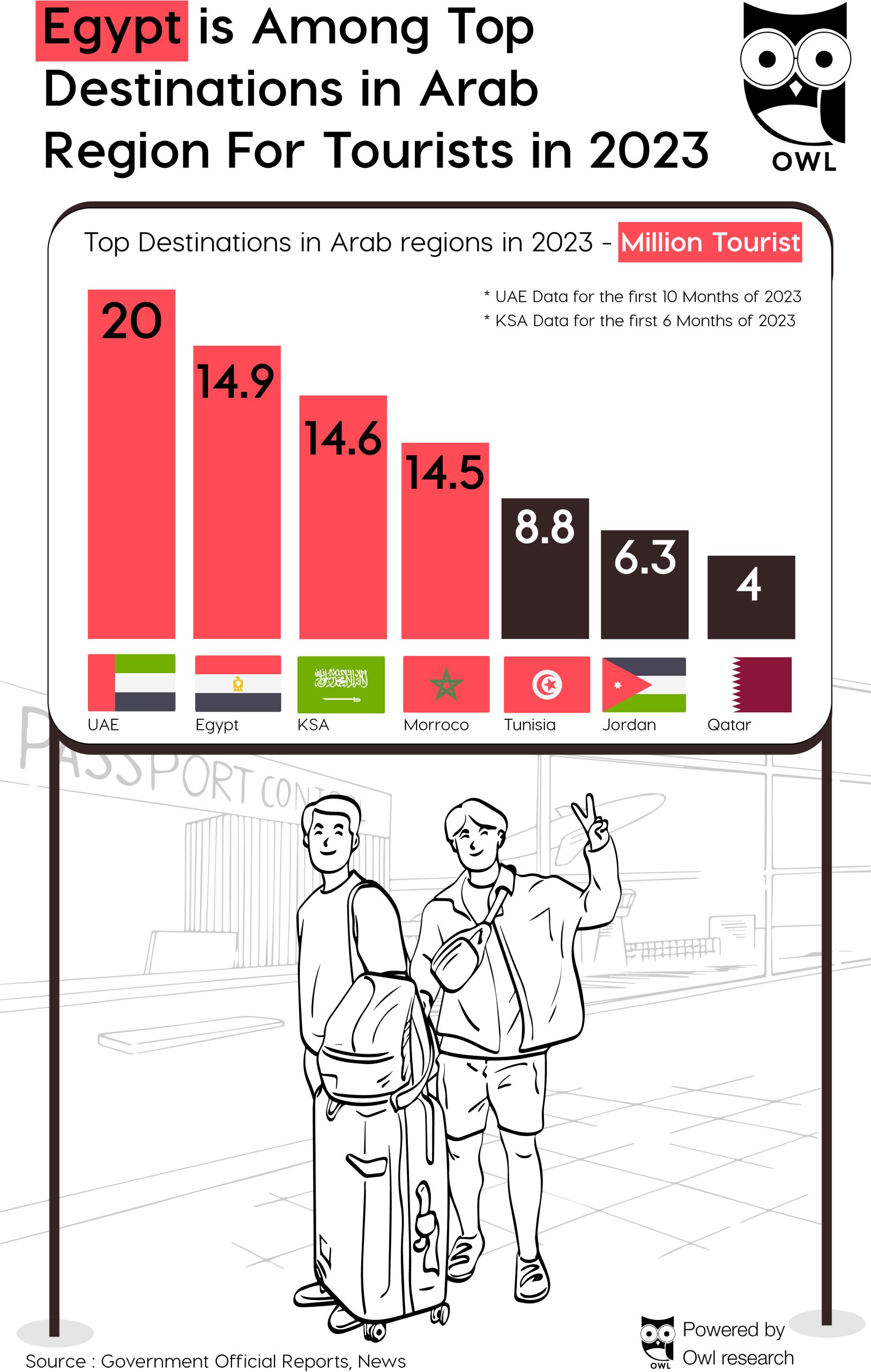
Geopolitical Landscape: Navigating Challenges and Opportunities
The MENA region’s tourism landscape has been shaped by its complex geopolitical realities. Volatile security situations, conflicts, and diplomatic crises have presented formidable obstacles, halting international tourism in several countries. However, adversity has also sparked resilience, as nations have undertaken extensive recovery efforts to reposition themselves as safe and alluring destinations. Countries like Lebanon, Tunisia, and Egypt have embarked on strategic rebranding campaigns, while others, such as Qatar, the United Arab Emirates, and Bahrain, have embraced tourism as a key economic diversification strategy.
Cultural Tapestry: Weaving the Threads of Heritage and Pilgrimage
At the heart of MENA’s tourism appeal lies its unparalleled cultural heritage. The region is a tapestry of ancient ruins, monuments, and living traditions that have captivated visitors for millennia. From the majestic Pyramids of Giza to the enchanting cities of Marrakech and Istanbul, the MENA region offers a treasure trove of historical and architectural wonders. But it is the intangible heritage – the vibrant music, dance, culinary traditions, and the renowned Arab hospitality – that truly enchants visitors, immersing them in the region’s timeless allure.
Pilgrimage, a centuries-old phenomenon in the MENA region, has also become a significant driver of tourism. As the birthplace of the three Abrahamic faiths, the Middle East is a magnet for spiritual seekers, with sites like the Al-Masjid al-Haram in Mecca, the Al-Aqsa Mosque in Jerusalem, and the Christian holy sites in Israel and Palestine drawing millions of devotees each year.
Environmental Challenges: Confronting Climate Change and Water Scarcity
While the MENA region’s cultural and historical assets are unparalleled, it also faces formidable environmental challenges that threaten the sustainability of its tourism industry. Climate change has brought about a host of issues, from rising temperatures and heatwaves to water scarcity and sea-level rise. These environmental pressures have intensified competition for limited resources, creating tensions between the tourism sector and other industries.
Addressing these challenges requires innovative solutions, such as the adoption of sustainable practices, the development of water-efficient technologies, and the diversification of tourism offerings beyond water-intensive activities. As the region grapples with these environmental realities, it must find a delicate balance between preserving its natural assets and capitalizing on its tourism potential.
Emerging Trends: Embracing Luxury, Technology, and Diversification
Amidst the challenges, the MENA region has also witnessed the emergence of new tourism trends that reflect its rapid modernization and global integration. The Gulf states, in particular, have embraced a high-end, luxury-oriented approach, investing in the development of mega-malls, ultra-luxury resorts, and state-of-the-art transportation hubs. The UAE, Qatar, and Bahrain have positioned themselves as destinations for shopping, medical tourism, sports tourism, and MICE (Meetings, Incentives, Conferences, and Exhibitions) events, catering to the discerning tastes of the global elite.
Technological advancements have also transformed the tourism landscape in the MENA region. The rise of hub-and-spoke air travel models, with major airports like Dubai International serving as global transit points, has facilitated increased connectivity and accessibility. Similarly, the growth of the cruise industry, with destinations like the Mediterranean, the Nile River, the Red Sea, and the Arabian Gulf witnessing a surge in cruise ship arrivals, has opened up new avenues for exploration and leisure.
Untapped Potential: Diversifying Beyond Traditional Offerings
While the MENA region’s traditional tourism assets, such as cultural heritage and religious pilgrimage, remain firmly entrenched, there is a growing recognition of the need to diversify the tourism offerings. Countries like Iran, which has long been restricted by international sanctions, are now emerging as new tourism hubs, leveraging their rich cultural heritage and natural wonders to attract visitors.
Additionally, the region’s arid landscapes have given rise to unique tourism experiences, such as desert safaris and even snow skiing in countries like Morocco, Algeria, and Turkey. These innovative offerings cater to the evolving preferences of the global traveler, who seeks authentic, immersive, and adventurous experiences.
The Rise of Asian Outbound Tourism: A Transformative Force
One of the most significant trends shaping the future of tourism in the MENA region is the surge in outbound travel from Asia, particularly China and India. As these economic powerhouses continue to grow, their burgeoning middle class and affluent young populations are increasingly seeking opportunities to explore the world. The MENA region, with its strategic location and ease of accessibility, has become a prime destination for these Asian travelers, who are drawn to the region’s cultural richness, luxurious offerings, and iconic landmarks.
This influx of Asian tourists is poised to have a transformative impact on the MENA tourism landscape, as destinations adapt to cater to their unique preferences and spending patterns. The ability of MENA countries to capitalize on this emerging market will be a crucial factor in their future tourism success.
Collaboration and Cooperation: Fostering Regional Synergies
In an increasingly interconnected world, the MENA region has recognized the importance of collaboration and cooperation in driving the growth of its tourism industry. Countries within the region are working to strengthen intraregional tourism, fostering diplomatic ties and easing travel restrictions to facilitate the movement of visitors.
Moreover, the MENA region is actively engaging with global tourism organizations and industry players to share best practices, develop strategic partnerships, and leverage international expertise. This collaborative approach has the potential to unlock new opportunities, enhance destination branding, and create a more cohesive and resilient tourism ecosystem across the region.
Sustainable Development: Balancing Growth and Preservation
As the MENA region continues to evolve as a tourism powerhouse, there is a growing emphasis on sustainable development. Governments and industry stakeholders are recognizing the importance of preserving the region’s cultural and natural heritage while fostering responsible and inclusive tourism growth.
Initiatives focused on eco-tourism, community-based experiences, and the protection of historic sites and natural landscapes are gaining momentum. By embracing sustainable practices, the MENA region can ensure that its tourism industry remains a driver of economic prosperity while safeguarding the very assets that make it so alluring to visitors.
Technological Innovations: Enhancing the Visitor Experience
The MENA region has also embraced the transformative power of technology to enhance the visitor experience. From the development of smart tourism infrastructure to the integration of digital platforms and artificial intelligence, the region is leveraging cutting-edge solutions to streamline travel, improve destination management, and personalize the tourism journey.
Innovations such as augmented reality applications, virtual tours, and data-driven insights are empowering MENA destinations to better understand and cater to the evolving needs and preferences of their guests. By harnessing the power of technology, the region can provide seamless, immersive, and memorable experiences that set it apart as a global tourism leader.
Talent Development: Investing in Human Capital
Underpinning the MENA region’s tourism success is its investment in human capital. Governments and industry players are focusing on the development of specialized skills, the upskilling of the workforce, and the creation of educational programs tailored to the tourism and hospitality sectors.
By nurturing a talented and well-trained pool of professionals, the MENA region can ensure the delivery of exceptional service, the implementation of innovative strategies, and the fostering of a hospitality culture that resonates with visitors from around the world. This commitment to talent development is crucial for sustaining the region’s competitive edge and positioning it as a premier tourism destination.
Destination Branding and Marketing: Captivating the Global Audience
In the highly competitive global tourism landscape, the MENA region has recognized the importance of effective destination branding and marketing. Countries across the region are investing in strategic campaigns to showcase their unique offerings, redefine their narratives, and capture the attention of potential visitors.
From the rebrand of Tunisia and Egypt as safe and recuperated destinations to the hyperbolic marketing of the Gulf states’ luxurious experiences, the MENA region is employing innovative approaches to position itself as a must-visit destination. By leveraging digital platforms, influencer partnerships, and targeted advertising, the region is amplifying its allure and inspiring travelers to explore its wonders.
The Road Ahead: Embracing a Sustainable and Inclusive Tourism Future
As the MENA region continues to evolve as a global tourism powerhouse, it faces the challenge of balancing growth with sustainability and inclusivity. The path forward requires a holistic approach that addresses the complex interplay of geopolitics, environmental concerns, technological advancements, and the diversification of tourism offerings.
By embracing sustainable practices, fostering regional collaboration, investing in human capital, and leveraging the power of technology, the MENA region can unlock its full tourism potential while preserving its rich cultural and natural heritage. As it navigates the dynamic landscape of the 21st century, the MENA region is poised to captivate the global audience, offering visitors an unparalleled journey of discovery, indulgence, and transformative experiences.