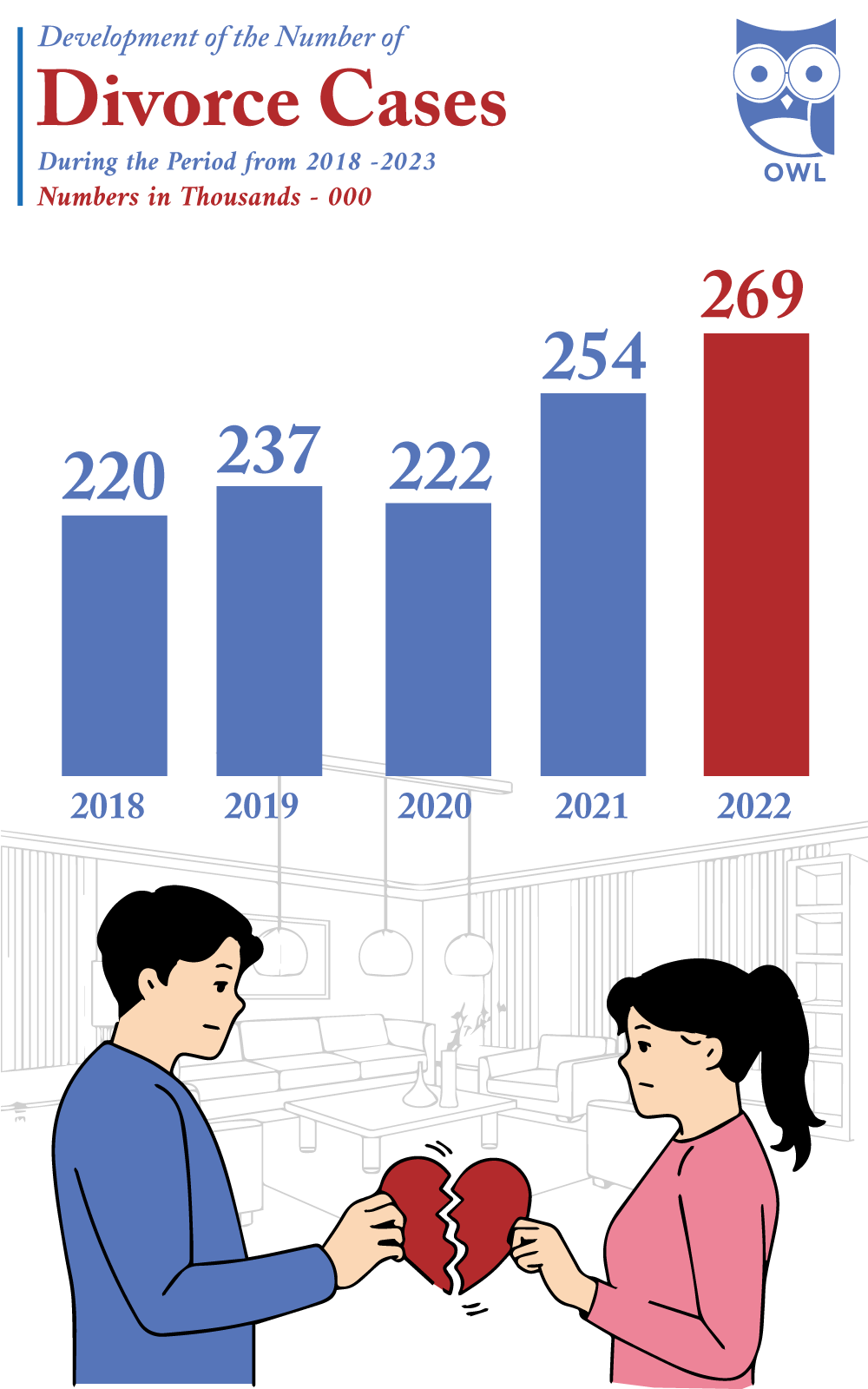
Divorce in Egypt is a complex and multifaceted issue that often leaves women vulnerable to homelessness and financial insecurity. Despite the country’s economic progress, cultural norms and discriminatory legal frameworks continue to perpetuate gender-based inequalities, disproportionately impacting divorced women and their children. This article delves into the intricate web of challenges faced by Egyptian women navigating the divorce process, exploring the root causes, the devastating consequences, and the emerging efforts to enact meaningful change.
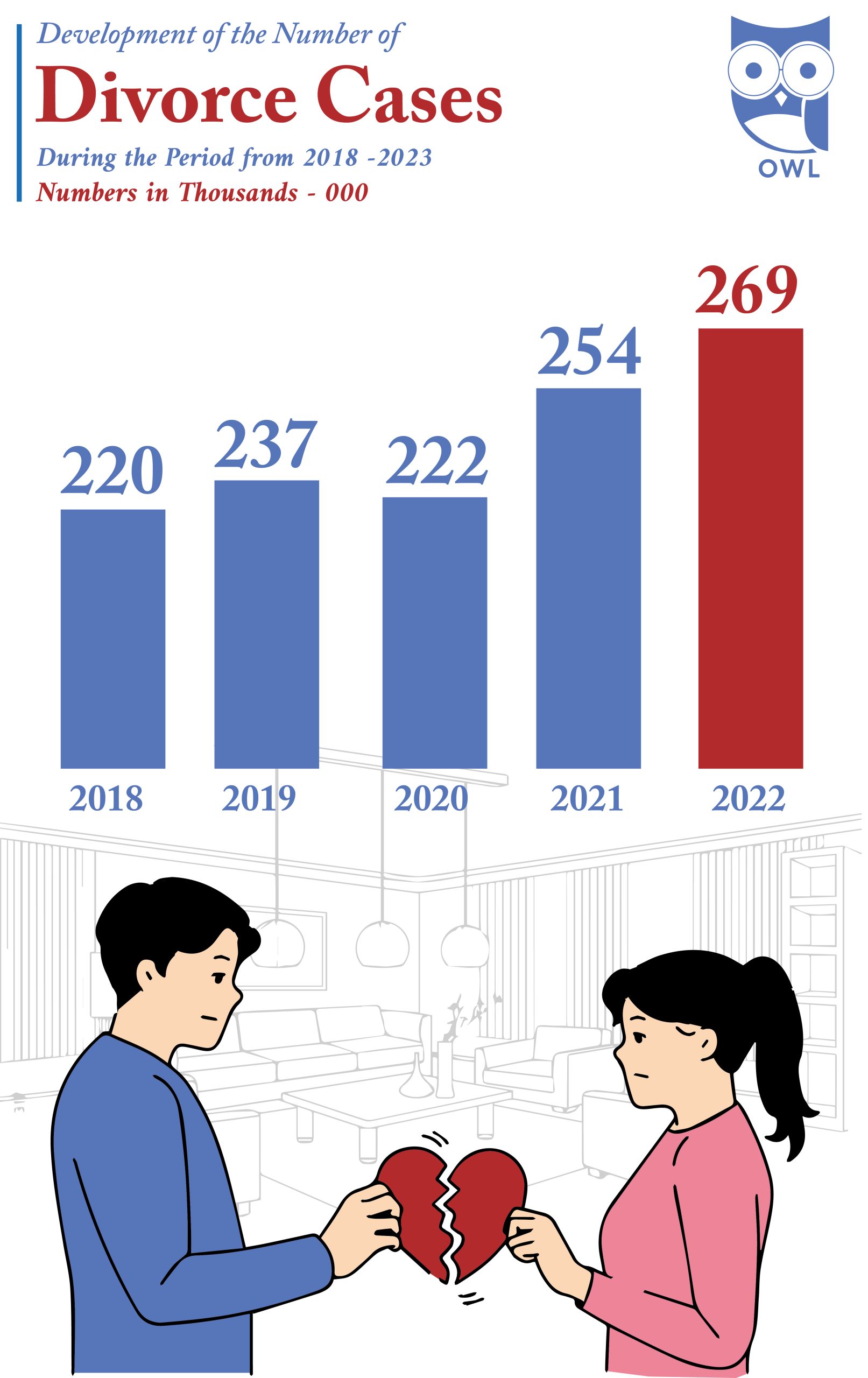
Entrenched Cultural Norms: Reinforcing Women’s Housing Disadvantages
From the moment they are born, Egyptian women confront deeply ingrained cultural norms that undermine their access to secure housing. Families often prioritize financing homes or apartments for their male offspring, while neglecting to ensure similar provisions for their daughters. The prevailing belief is that a woman’s housing needs will be met through marriage, absolving families of this responsibility. This mentality persists despite a gradual decrease in the rate of early marriages, with a 2021 survey revealing that 17.4% of women in their early 20s had been married or engaged before the age of 18.
Discriminatory Divorce Laws: A Recipe for Homelessness
Egypt’s divorce laws place women at a significant disadvantage, leaving them vulnerable to homelessness. Under the country’s family laws, mothers are granted custodial rights over their children until the age of 15, but fathers often exploit this system by refusing to relinquish the children after visitation hours. The limited enforcement of maternal custody rights is further exacerbated when a woman remarries, as she may lose her children and the associated alimony payments. Even if a woman retains custody, the courts are often lax in enforcing alimony payments, leaving her to care for her children with limited financial resources. When the children reach 15, they can choose to live with their fathers, who can then evict the mother and her children from the family home, leaving them with little legal recourse.
The Arduous Divorce Process: A Barrier to Escaping Abuse
The divorce process in Egypt is inherently biased against women, creating significant obstacles for those seeking to leave unhealthy or abusive marriages. While men can simply utter an oral renunciation to divorce their spouses, women must navigate a lengthy and complex court process to obtain a divorce, often having to provide evidence of their husband’s abuse or harm. Additionally, all women, regardless of the circumstances, are required to attempt court-ordered mediation in a bid for reconciliation. This protracted process, coupled with the lack of financial support during the separation, can compel women to forgo their rights and sign away their custodial and financial privileges to avoid the risk of homelessness.
Post-Divorce Challenges: Stigma, Discrimination, and Limited Opportunities
The difficulties faced by Egyptian women do not end with the divorce itself. They often encounter significant social stigma and discrimination, with labels such as “home-wrecker” or “secondhand” being used to ostracize them. The loss of financial stability and the struggle to reintegrate into the job market further exacerbate their challenges, as many women have been expected to quit their jobs after marriage and lack the necessary work experience to secure employment.
The Cycle of Abuse: Marital Power Dynamics and Domestic Violence
The precarious legal and social landscape faced by divorced women in Egypt creates a dangerous power dynamic within marital relationships. Fearing the prospect of homelessness and financial insecurity, many women may choose to remain in abusive or unhealthy marriages, perpetuating the cycle of domestic violence. Studies indicate that up to 86% of married women in Egypt have experienced physical or psychological abuse, underscoring the urgent need for reform.
Grassroots Efforts for Change: Raising Awareness and Providing Support
In the face of these daunting challenges, a growing number of grassroots initiatives are emerging to support and empower Egyptian women navigating the divorce process. The “Enty Zel Nafsek” (“You Are Your Own Shadow”) campaign, started by three college students, aims to raise awareness about the issues faced by divorced women and reduce the stigma associated with divorce. Additionally, organizations like “You Can,” founded by a survivor of domestic violence, provide financial, emotional, and legal assistance to help women rebuild their lives after divorce.
Reforming the Legal Landscape: Towards Equitable Divorce Laws
Addressing the deeply entrenched gender inequities in Egypt’s divorce laws is crucial to ensuring the safety and well-being of women and their children. Advocacy groups and legal experts have called for sweeping reforms, including the establishment of robust enforcement mechanisms for maternal custody rights, the streamlining of the divorce process, and the implementation of comprehensive alimony and child support systems. These changes would not only safeguard women’s access to housing and financial stability but also empower them to make informed choices about their marital relationships.
Challenging Cultural Norms: Empowering Women through Education and Awareness
Dismantling the cultural norms that perpetuate women’s housing disadvantages and social stigma requires a multifaceted approach. Investing in educational initiatives that challenge gender stereotypes, promote financial literacy, and empower women to assert their rights can catalyze long-term societal transformation. By fostering a more inclusive and supportive environment, Egypt can pave the way for women to navigate the divorce process with dignity and resilience.
Addressing the Homelessness Crisis: Comprehensive Solutions for Vulnerable Populations
Egypt’s high homelessness rate, affecting an estimated 12 million people, including 3 million children, demands a holistic and inclusive response. While the challenges faced by divorced women are uniquely complex, addressing the broader housing crisis requires a collaborative effort involving the government, civil society organizations, and community stakeholders. Developing affordable housing programs, strengthening social safety nets, and implementing targeted interventions for vulnerable groups can help alleviate the homelessness crisis and provide a more secure future for all Egyptians.
Intersectional Approach: Addressing the Needs of Marginalized Communities
As Egypt grapples with the divorce crisis, it is crucial to adopt an intersectional lens that recognizes the diverse experiences and needs of marginalized communities. Women from low-income backgrounds, ethnic minorities, and those with disabilities may face additional barriers and require tailored support. Integrating intersectional perspectives into policy-making and service delivery can ensure that no one is left behind in the pursuit of equitable access to housing, financial resources, and legal protections.
International Cooperation and Best Practices: Learning from Global Experiences
Egypt can learn valuable lessons from the experiences of other nations that have successfully navigated the complexities of divorce and housing insecurity. Engaging in cross-cultural dialogues, sharing best practices, and collaborating with international organizations can inform the development of comprehensive, evidence-based solutions. By drawing inspiration from successful models and adapting them to the Egyptian context, the country can chart a path towards a more just and equitable future for its citizens.
Conclusion: Empowering Egyptian Women, Transforming the Nation
Addressing the divorce crisis in Egypt is not merely a matter of legal reform or social change; it is a crucial step towards empowering women, strengthening families, and building a more prosperous and inclusive society. By dismantling the systemic barriers that jeopardize the housing security and financial stability of divorced women, Egypt can pave the way for a future where all individuals, regardless of gender, can thrive and contribute to the nation’s progress. The journey ahead may be arduous, but the potential for transformative change is immense, and the time to act is now.