Egypt’s education system has undergone significant transformations in recent years, with a growing emphasis on fostering a skilled and knowledgeable workforce to drive the country’s economic and social progress. At the heart of this transformation are the dedicated teachers who tirelessly work to impart knowledge, inspire curiosity, and nurture the next generation of leaders, innovators, and changemakers.
In this comprehensive article, we delve into the multifaceted world of teaching in Egypt, exploring the unique challenges, opportunities, and cultural considerations that shape the experiences of international educators who choose to embark on this rewarding journey. From navigating the visa requirements and understanding the cost of living to navigating the healthcare system and immersing themselves in the vibrant expat community, we leave no stone unturned in our quest to provide a holistic understanding of the teaching landscape in this captivating North African nation.
The Allure of Teaching in Egypt: Exploring the Opportunities
Egypt’s rich history, diverse culture, and welcoming expat community have long been a magnet for international teachers seeking to broaden their horizons and make a lasting impact. Despite occasional political instability and security concerns, many educators find the country to be a fascinating and rewarding place to live and work, drawn to the nation’s captivating heritage, warm climate, and the chance to be part of a transformative educational journey.
Uncovering the Demand for International Educators
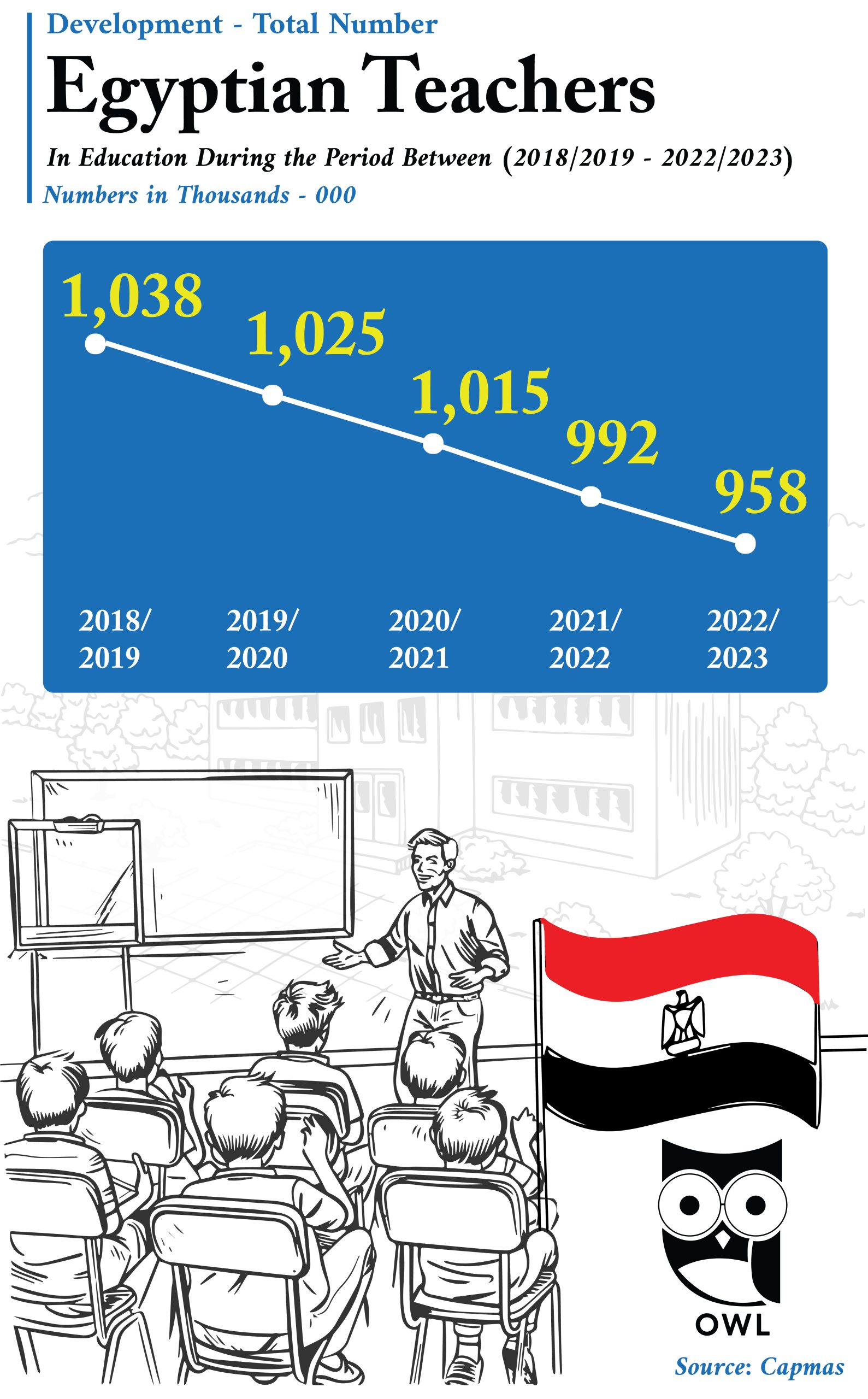
The demand for qualified international teachers in Egypt is on the rise, driven by the country’s commitment to enhancing the quality of its education system. With a total teaching workforce of over one million professionals, the education sector in Egypt presents a wealth of opportunities for educators from around the world. Primary schools, in particular, have the largest concentration of teaching staff, underscoring the critical role these institutions play in shaping the foundations of learning.
Exploring the Diverse Landscape of International Schools
Egypt boasts a thriving international school ecosystem, with a wide range of institutions catering to the needs of the country’s growing expatriate population. From prestigious institutions like the American International School in Egypt and the British International School Cairo to innovative schools like GEMS International School Cairo and The British School, Al Rehab, the options for international teachers are both diverse and abundant.
Navigating the Visa and Immigration Process
One of the key considerations for international teachers seeking to work in Egypt is the visa and immigration process. Obtaining the necessary work visa is a crucial first step, and the application process typically involves submitting a range of documents, including a passport with at least six months of validity, passport-sized photographs, and a letter from the hiring school or institution.
Understanding the Work Visa Requirements
The Egyptian government requires all international teachers to obtain a work visa before they can legally teach in the country. This process may involve an interview at the nearest Egyptian consulate or embassy, where applicants will be asked to provide more information about their qualifications and experience. The processing time for a work visa can vary, but it generally takes several weeks to a few months to obtain.
Leveraging Employer Assistance
Many international schools in Egypt offer visa assistance as part of their employment package, streamlining the process for incoming educators and ensuring a smooth transition into the country. Prospective teachers should inquire about this support during the recruitment stage, as it can significantly simplify the administrative hurdles associated with relocating to Egypt.
Cost of Living and Financial Considerations
When it comes to the cost of living for international teachers in Egypt, the overall picture is generally favorable, especially when compared to other major cities around the world. However, it’s important to note that the expenses can vary depending on the specific location and lifestyle choices.
Exploring the Cost of Living in Cairo
As the capital and largest city in Egypt, Cairo tends to have a slightly higher cost of living compared to other parts of the country. However, it remains relatively affordable, particularly when it comes to essential expenses such as rent, groceries, and public transportation. For instance, the average rent for a one-bedroom apartment in the city center is around $187 per month, while a similar apartment outside the city center can be found for approximately $104 per month.
Budgeting for Daily Expenses
Beyond housing, the cost of living in Egypt for international teachers is generally manageable. A loaf of bread typically costs around $0.70, a litre of milk is approximately $0.95, and a meal for two at a mid-range restaurant averages $21.05. Additionally, public transportation in the country is relatively inexpensive, with a one-way ticket costing just $0.35.
Navigating the Healthcare System
Egypt’s healthcare system is a blend of public and private sectors, each with its own unique characteristics and considerations for international teachers.
Understanding the Public Healthcare System
The public healthcare system in Egypt is available to all citizens and residents, but it can be prone to overcrowding, understaffing, and limited resources. As a result, many expats opt to utilize the private healthcare facilities, which tend to offer higher-quality services and more personalized care.
Exploring Private Healthcare Options
The private healthcare sector in Egypt is well-developed, with numerous hospitals, clinics, and medical centers located in major cities like Cairo, Alexandria, and others. These facilities provide a wide range of medical services, from general check-ups to specialized treatments and emergency care. International teachers can choose to pay for healthcare out-of-pocket or purchase health insurance to cover the costs.
Employer-Provided Health Coverage
Many international schools in Egypt offer health insurance as part of their employment package, providing a valuable safety net for incoming educators and their families. Prospective teachers should inquire about the specific healthcare benefits offered during the recruitment process to ensure a comprehensive understanding of the available options.
Cultural Expectations and Norms
As a predominantly Muslim country, Egypt’s cultural norms and expectations play a significant role in the daily lives of international teachers. Understanding and respecting these cultural nuances is essential for a successful and fulfilling experience.
Embracing Modesty and Respect
Modesty is highly valued in Egyptian culture, and it is important for international teachers to dress conservatively, especially when visiting religious sites. Behaviors that may be perceived as disrespectful, such as consuming alcohol in public, should also be avoided.
Navigating Punctuality and Social Etiquette
Punctuality is highly regarded in Egyptian culture, and it is crucial for international teachers to arrive on time to meetings and appointments. Egyptians also tend to be hospitable and enjoy socializing, so it is common for expats to be invited to various events and gatherings. However, it is important to be mindful of cultural differences and norms when interacting with locals, such as avoiding physical contact with members of the opposite sex in public.
Adapting to the Pace of Life
The pace of life in Egypt may differ from what international teachers are accustomed to, and it is important to be patient and adaptable. Egyptians often have a more relaxed approach to time management, and it is not uncommon for schedules to be adjusted or events to start later than planned.
Embracing the Vibrant Expat Community
Egypt’s diverse expat community, with a strong presence of Westerners from the United States, Europe, and Australia, as well as professionals from neighboring Arab countries and other parts of Africa, offers a rich and supportive network for international teachers.
Discovering Vibrant Expat Hubs
The expat community in Egypt is primarily concentrated in major cities like Cairo, Alexandria, and others, with neighborhoods such as Maadi, Zamalek, and Heliopolis known for their high concentration of expatriates. These areas provide a welcoming environment for international teachers, who can find a sense of community and camaraderie among their fellow expats.
Engaging in Expat Clubs and Organizations
The expat community in Egypt is highly active and engaged, with a wide range of social clubs and organizations catering to various interests and hobbies, from sports and arts to cultural events. These platforms offer international teachers the opportunity to meet new people, make friends, and participate in activities that align with their passions.
Leveraging Online Expat Resources
In addition to the vibrant physical expat community, Egypt’s international teachers can also tap into a robust online presence, with numerous websites, social media groups, and forums dedicated to sharing information, advice, and experiences about living and working in the country. These digital resources can be invaluable in navigating the nuances of daily life and integrating into the local culture.
Navigating the Diverse Educational Landscape
Egypt’s education system is a complex and multifaceted landscape, with a wide range of institutions catering to the diverse needs of students, both local and international.
Exploring the Public Education System
The public education system in Egypt comprises a network of primary, preparatory, and secondary schools, with the majority of teaching staff employed at the primary level. While the public system is accessible to all Egyptian citizens, it can face challenges related to overcrowding, limited resources, and varying quality of instruction.
Discovering the International School Ecosystem
Alongside the public education system, Egypt boasts a thriving international school ecosystem, which has become a popular choice for expatriate families and local Egyptians seeking a more globalized educational experience. These institutions, such as the American International School in Egypt, the British International School Cairo, and GEMS International School Cairo, offer curriculums aligned with international standards and attract a diverse student population.
Navigating the Recruitment Process
For international teachers seeking to join the ranks of Egypt’s educational institutions, the recruitment process can be a crucial step. Many international schools actively recruit talent from around the world, often participating in virtual and in-person recruitment events to connect with qualified educators. Prospective teachers should leverage platforms like Schrole to stay informed about the latest job opportunities and connect with school leaders and recruiters.
Embracing the Challenges and Rewards of Teaching in Egypt
While teaching in Egypt can be a richly rewarding experience, it is not without its challenges. International educators must be prepared to navigate a range of obstacles, from language barriers and cultural differences to political instability and security concerns.
Adapting to a New Cultural Context
One of the primary challenges faced by international teachers in Egypt is adapting to the local cultural context. Navigating the nuances of Egyptian social norms, communication styles, and everyday customs can require a significant investment of time and effort. However, embracing this cultural immersion can also be a profound and transformative experience, broadening one’s perspectives and fostering a deeper appreciation for the country’s rich heritage.
Overcoming Language Barriers
The language barrier can also pose a significant hurdle for international teachers in Egypt, particularly for those who do not have a strong command of Arabic. While English is widely spoken in the country, especially in the international school system, being able to communicate effectively with students, parents, and colleagues in the local language can greatly enhance the teaching experience.
Adapting to Shifting Political and Security Landscapes
Egypt’s political landscape has been marked by periods of instability and security concerns, which can create additional challenges for international teachers. Staying informed about the current situation, following the guidance of local authorities and school administrators, and maintaining a flexible and adaptable mindset can help educators navigate these uncertainties.
Embracing the Rewards of Teaching in Egypt
Despite the challenges, the rewards of teaching in Egypt can be immense. International educators have the opportunity to make a lasting impact on the lives of their students, fostering their intellectual and personal growth while also broadening their own cultural horizons. The sense of adventure, the chance to experience a rich and ancient civilization, and the welcoming expat community all contribute to the overall fulfillment that many international teachers find in their Egyptian teaching experience.
Conclusion
Egypt’s education system is at a critical juncture, with a growing demand for qualified international teachers to help shape the future of the country’s youth. By navigating the complex visa requirements, understanding the cost of living, and immersing themselves in the vibrant expat community, these educators have the opportunity to make a lasting impact on the lives of their students and contribute to the nation’s educational transformation.
As the global education landscape continues to evolve, the role of international teachers in Egypt becomes increasingly vital. By embracing the challenges, celebrating the rewards, and leveraging the support of the country’s diverse educational ecosystem, these dedicated professionals can play a pivotal role in cultivating a new generation of leaders, innovators, and global citizens.