Egypt, a nation often lauded for its rich cultural heritage and ancient wonders, has recently found itself at the center of a growing phenomenon – the surge of its citizens seeking new lives beyond its borders. While the country enjoys relative stability, free from the ravages of war or chaos, the allure of economic opportunity and a better quality of life has driven thousands of Egyptians to embark on perilous journeys, risking it all for the chance to start anew in foreign lands.
This article delves deep into the complex web of factors fueling this exodus, exploring the personal narratives, the legal frameworks, and the broader societal implications of this mass migration. Through a comprehensive analysis of the available data and firsthand accounts, we aim to shed light on the realities faced by these determined individuals, offering a nuanced understanding of the challenges and aspirations that propel them forward.
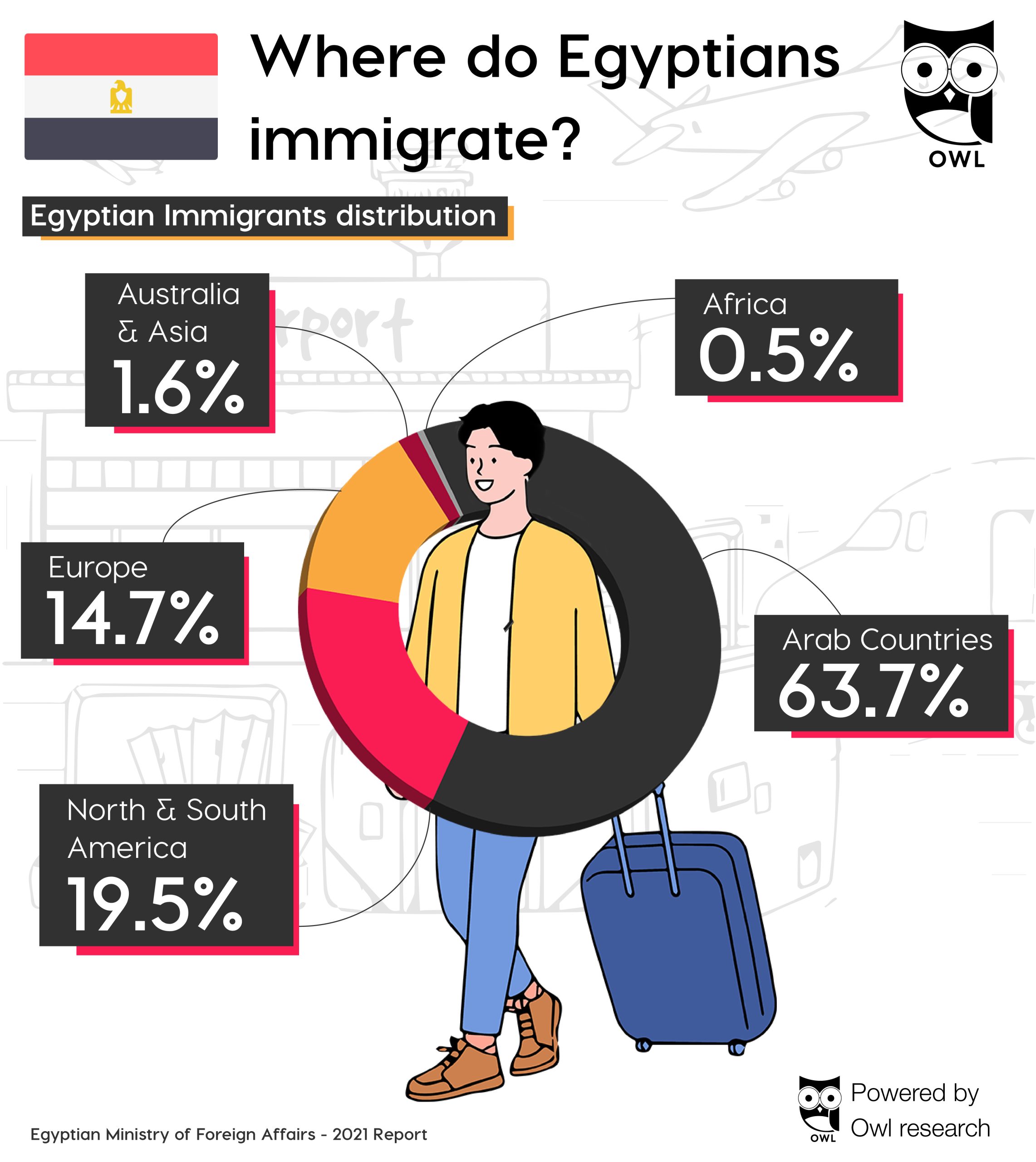
The Shifting Tides of Egyptian Migration
Over the past decade, Egypt has witnessed a significant shift in the patterns of its citizens’ migration. While the country has long been a source of labor and talent for various parts of the world, the recent surge in emigration has been particularly striking. According to the International Organization for Migration (IOM), the number of Egyptian migrants arriving in Europe, predominantly by sea, topped all other nationalities in 2022, including those from war-torn regions like Afghanistan and Syria.
This unprecedented wave of migration has been driven by a complex interplay of economic, social, and political factors. The deteriorating economic conditions in Egypt, marked by soaring inflation, dwindling job opportunities, and the ever-increasing cost of living, have left many Egyptians feeling trapped and desperate for a chance to improve their circumstances.
Navigating the Legal Landscape: Egypt’s Immigration Policies
Egypt’s approach to immigration is governed by the Immigration and Egyptians Abroad Law No. 111 of 1983 and its accompanying executive regulations. This legal framework recognizes the fundamental right of Egyptian citizens to emigrate, while also establishing procedures and requirements for both internal and external migration.
The law defines a “migrant” as any Egyptian who has established permanent residence outside the country, either by acquiring foreign citizenship or obtaining a permanent residency permit. It outlines the conditions under which an individual’s migrant status can be revoked, such as failure to travel to the destination country within six months or extended absence from Egypt.
The process of obtaining approval for emigration involves submitting a comprehensive application, including personal identification documents, military service status, and proof of foreign residency or naturalization. The consular authorities in Egypt then review the application and forward it to the Passports, Immigration, and Nationality Authority for final approval.
The Lure of the “Promised Land”: Smugglers and the Perilous Journeys
Despite the legal framework in place, many Egyptians find themselves turning to the shadowy world of human smugglers to facilitate their journeys to Europe. These unscrupulous individuals, often operating in networks across North Africa and the Mediterranean, prey on the desperation of those seeking a better life.
The smugglers’ promises of a “new world” and a “life of ease” have proven to be nothing more than a cruel illusion. Migrants, including Egyptians, are often subjected to extortion, abuse, and even life-threatening conditions during their treacherous voyages across the sea. The tragic sinking of the Adriana ship off the coast of Greece, which claimed the lives of hundreds of migrants, including many Egyptians, has cast a somber light on the deadly consequences of these illicit operations.
Profiles of Egyptian Migrants: Diverse Backgrounds, Shared Aspirations
The surge of Egyptian migrants seeking new horizons is not limited to a single demographic. It encompasses individuals from various socioeconomic backgrounds, educational levels, and age groups, all united by a common desire for a better future.
One such example is Mahmoud Ibrahim, a 28-year-old man from a rural town in northern Egypt’s Sharqia province. Despite having a wife and young child, Mahmoud, who had never ventured far from his hometown, found himself lured by the promises of smugglers and embarking on a perilous journey to Libya, ultimately meeting a tragic fate on the ill-fated Adriana ship.
In stark contrast, Rehab Reda’s husband, Mustafa Adel el-Sayyed, a 35-year-old tailor, left Egypt in search of greater economic opportunities to support his family of three children. Driven by the relentless rise in the cost of living and the inability to make ends meet, Mustafa risked everything, only to find himself detained in Greece and accused of being part of the smuggling network.
These diverse narratives highlight the multifaceted nature of the Egyptian migration phenomenon, underscoring the complex interplay of personal circumstances, societal pressures, and the lure of a perceived better life abroad.
The Economic Realities Fueling the Exodus
At the heart of the Egyptian migration surge lies a fundamental economic crisis that has gripped the nation. The country’s economy has faced a series of blows, with the price of food skyrocketing in early 2022, correlating with the spike in Egyptian migrants arriving in Europe.
Millions of Egyptians, particularly those from low-income backgrounds, have come to rely on government subsidies and handouts to survive. However, the rising cost of living, coupled with stagnant wages and limited job opportunities, has eroded their purchasing power and forced many to seek alternative means of sustaining their families.
The desperation of these individuals is exemplified by the story of Rehab Reda’s husband, Mustafa Adel el-Sayyed. As a tailor, his income was simply not enough to keep up with the ever-increasing expenses, prompting him to take the perilous gamble of seeking a better life in Europe.
The Societal Impact: Families Torn Apart and Uncertain Futures
The exodus of Egyptians has not only transformed the lives of the migrants themselves but has also had a profound impact on their families and communities left behind. The emotional toll of separation, the uncertainty surrounding the fates of their loved ones, and the financial strain of supporting those who have embarked on these journeys have all taken a significant toll.
The case of Mohammed Ibrahim, the brother of the ill-fated Mahmoud Ibrahim, poignantly illustrates this burden. Forced to sell land and borrow money to pay the smugglers, the family found themselves grappling with the devastating news of Mahmoud’s disappearance, only to later learn of his tragic demise on the Adriana ship.
These stories underscore the broader societal implications of the migration crisis, as families are torn apart, communities lose their members, and the future of Egypt’s social fabric hangs in the balance.
The Role of Technology and Social Media in Facilitating Migration
In the digital age, the dissemination of information and the connectivity afforded by technology have played a significant role in shaping the patterns of Egyptian migration. Smugglers have exploited these tools, using social media platforms and online chat groups to lure potential migrants with false promises of a better life.
The case of Mahmoud Ibrahim’s journey exemplifies this trend, as the smugglers leveraged digital platforms to reach out to him and his family, offering a seemingly straightforward path to Europe. The power of these tools to create a false sense of opportunity and security has proven to be a formidable challenge in combating the rise of illegal migration.
Navigating the Legal Complexities: Challenges and Considerations
The legal framework governing Egyptian migration, while recognizing the fundamental right to emigrate, also presents a complex web of requirements and procedures that can prove daunting for many prospective migrants.
The need to obtain approval from the Passports, Immigration, and Nationality Authority, the submission of comprehensive documentation, and the potential pitfalls of failing to comply with the established protocols can create significant barriers for those seeking to leave the country legally.
This legal landscape, coupled with the promise of a quicker and seemingly more accessible path offered by smugglers, has led many Egyptians to opt for the dangerous and illicit routes, often with tragic consequences.
The Plight of Survivors and the Ongoing Search for the Missing
The aftermath of the Adriana ship disaster has left a lasting impact on the families of the victims, with many still grappling with the uncertainty of their loved ones’ fates. The desperate search for information, the anguish of not knowing, and the legal complexities surrounding the survivors have added to the emotional burden of these individuals.
The story of Mohammed al-Sharkawi, a man searching for his brother and cousins among the survivors in Greece, poignantly captures the anguish and desperation experienced by these families. The act of reading out the names of the few survivors from his village serves as a poignant reminder of the human toll of this tragedy.
The Role of International Organizations and Humanitarian Aid
In the face of this growing crisis, the international community has stepped in to provide support and assistance to the affected individuals and communities. Organizations like the International Organization for Migration (IOM) have played a crucial role in monitoring and reporting on the trends of Egyptian migration, offering valuable insights into the scale and nature of the phenomenon.
These organizations have also been instrumental in providing humanitarian aid and relief to the survivors of the Adriana ship disaster, offering medical care, counseling, and logistical support to those who have endured the harrowing ordeal.
The Path Forward: Addressing the Underlying Causes and Empowering Egyptians
As the wave of Egyptian migration continues to rise, it has become increasingly clear that a comprehensive and multifaceted approach is needed to address the underlying drivers of this phenomenon. Policymakers, civil society, and international partners must work together to tackle the economic, social, and legal challenges that are compelling Egyptians to seek new horizons.
Investing in sustainable economic development, creating job opportunities, and ensuring the equitable distribution of resources can help alleviate the financial pressures that are fueling the exodus. Strengthening the legal framework to protect the rights and safety of migrants, while also providing viable legal channels for emigration, can help curb the reliance on dangerous and illegal smuggling networks.
Ultimately, the goal must be to empower Egyptians to build prosperous lives within their own country, fostering an environment where the lure of foreign lands does not overshadow the inherent value and potential of their homeland.
Conclusion: A Complex Tapestry of Aspirations and Challenges
The surge of Egyptian migration is a multifaceted phenomenon that defies simplistic explanations. It is a tapestry woven with the threads of economic hardship, social upheaval, and the universal human desire for a better life. As the country grapples with this challenge, it must confront the underlying issues that are driving its citizens to risk everything in pursuit of greener pastures.
Through a deeper understanding of the personal narratives, the legal frameworks, and the broader societal implications, we can begin to chart a path forward that addresses the root causes of this crisis. By empowering Egyptians, fostering economic stability, and providing viable legal channels for migration, the nation can reclaim its rightful place as a beacon of hope and opportunity for its citizens, both at home and abroad.
The journey ahead may be arduous, but the stakes are high. The future of Egypt’s social fabric, the well-being of its people, and the nation’s standing on the global stage all hinge on the ability to navigate this complex and pressing issue with wisdom, compassion, and a steadfast commitment to the betterment of its citizens.