Egypt, the most populous country in the Arab world, stands at a critical juncture in its energy landscape. Historically reliant on fossil fuels, the nation now faces the dual challenge of meeting its rapidly growing electricity demand while simultaneously transitioning towards a more sustainable and eco-friendly power sector. As the world accelerates its shift towards renewable energy sources, Egypt’s vast untapped solar potential emerges as a promising pathway to overcome its fossil gas dependency and curb its rising power sector emissions.
Egypt’s Electricity Generation Landscape
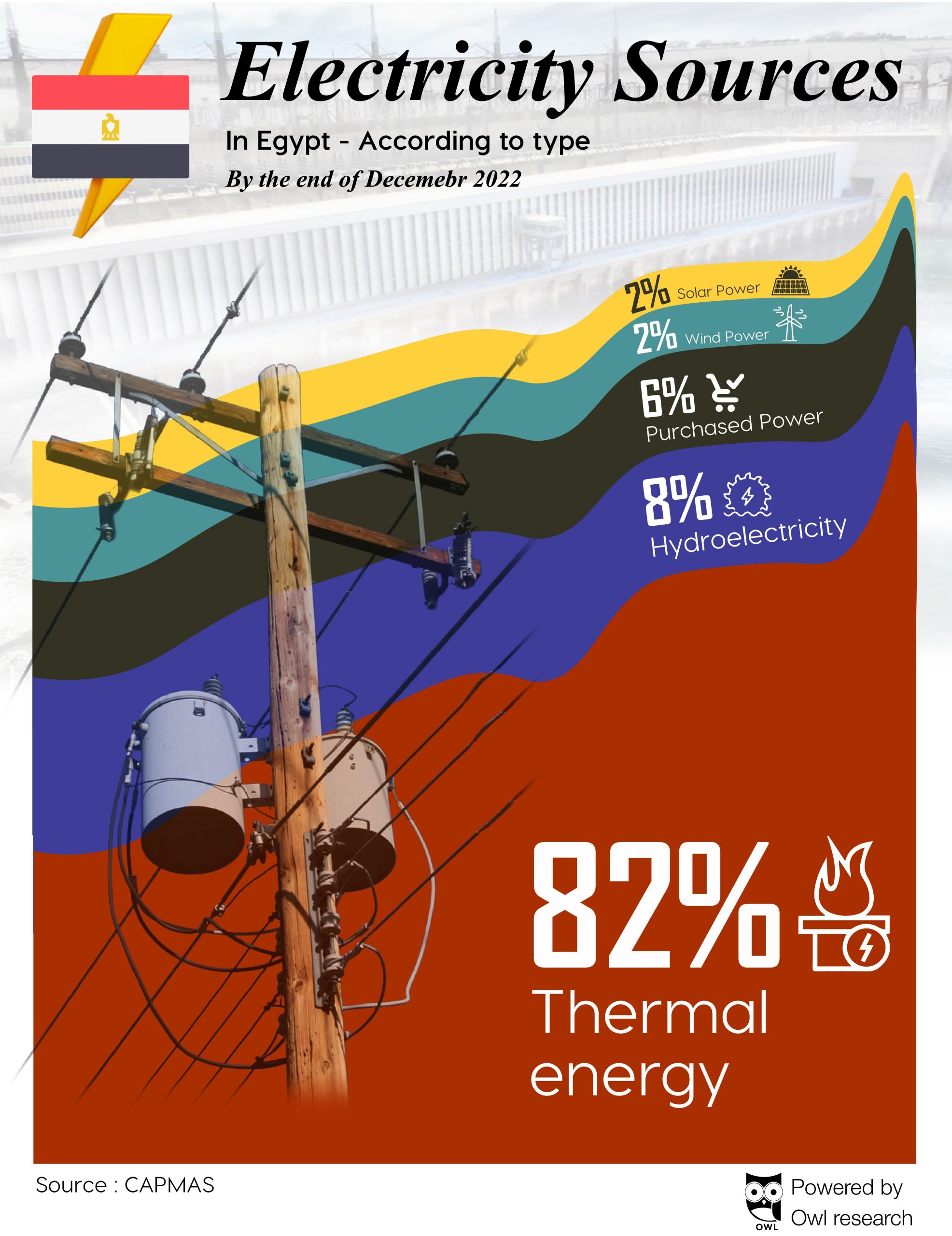
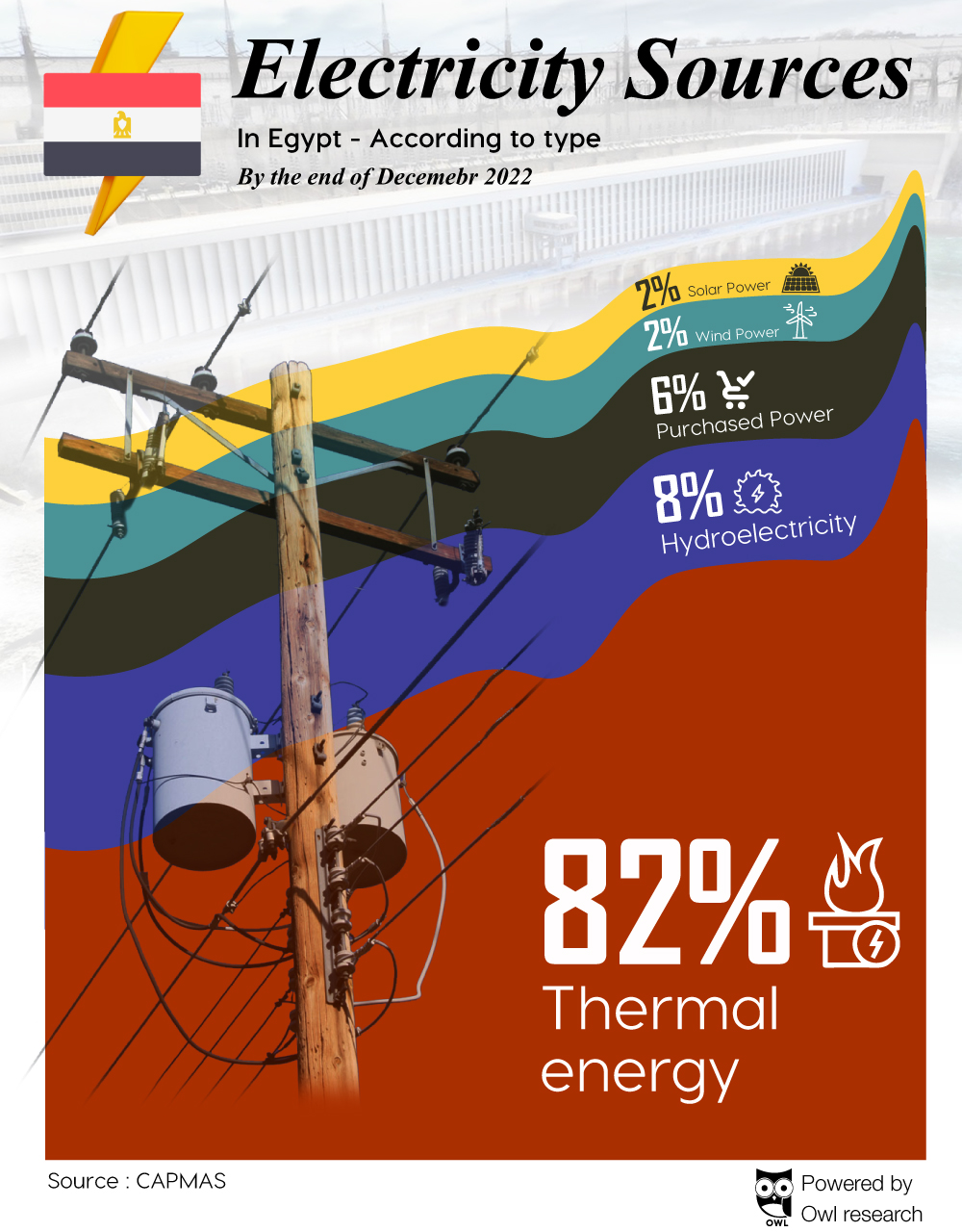
Egypt’s power generation mix has been predominantly dominated by fossil fuels, with a staggering 88% of its electricity coming from these sources in 2023. This heavy reliance on non-renewable resources has not only contributed to the country’s growing carbon footprint but also exposed it to the volatility of global energy markets. Hydropower, accounting for 7% of the electricity mix, remains the largest clean energy source in Egypt’s generation portfolio.
The Rise of Renewable Energy in Egypt
While Egypt’s renewable energy sector has witnessed modest growth in recent years, with wind and solar power comprising 5% of the country’s electricity generation in 2023, this figure still lags behind both the global average of 13% and the regional average for Africa at 6%. The nation’s ambitious goal of achieving 42% renewable electricity by 2030 underscores its commitment to a cleaner energy future, though it falls short of the IEA’s Net Zero Emissions scenario, which sets a global target of 60% renewable electricity by the same year.
Egypt’s Fossil Gas Dominance and Emissions Challenges
Egypt’s reliance on fossil gas generation is particularly concerning, as the country is responsible for a staggering 45% of the African continent’s gas-fired electricity production in 2022. This heavy dependence on natural gas has contributed to a significant rise in the nation’s power sector emissions over the past two decades, with demand more than doubling during this period.
Unlocking Egypt’s Solar Potential
As Egypt grapples with the need to diversify its energy mix and reduce its carbon footprint, the country’s vast untapped solar resources emerge as a promising solution. With abundant sunshine and favorable climatic conditions, Egypt possesses the potential to harness solar energy on a massive scale, which could help the nation overcome its fossil gas dependency and accelerate its transition towards a sustainable energy future.
Strategies for Renewable Energy Expansion
To capitalize on its solar potential, Egypt has implemented various strategies and initiatives aimed at driving the growth of renewable energy. These include setting ambitious renewable energy targets, streamlining regulatory frameworks, and attracting foreign investment in the sector. The country has also made strides in developing large-scale solar projects, such as the Benban Solar Park, one of the world’s largest solar complexes.
Challenges and Barriers to Renewable Energy Deployment
Despite these positive developments, Egypt continues to face several challenges and barriers in its quest to expand renewable energy. These include grid integration issues, limited access to financing, and the need for continued policy and regulatory support. Overcoming these obstacles will be crucial for the nation to realize its full renewable energy potential and achieve its clean energy goals.
Towards a Sustainable Energy Future
As Egypt navigates the complexities of its energy transition, the nation’s unwavering commitment to renewable energy, particularly solar power, holds the key to a more sustainable and environmentally-friendly future. By harnessing its vast solar resources, Egypt can not only reduce its reliance on fossil fuels but also contribute to global efforts in mitigating climate change and promoting a greener, more resilient energy landscape.
The Role of International Cooperation
Achieving Egypt’s renewable energy aspirations will require close collaboration and support from the international community. Partnerships with global financial institutions, technology providers, and development agencies can help the country access the necessary funding, expertise, and innovative solutions to accelerate its clean energy transformation.
Empowering Local Communities
Alongside its large-scale renewable energy projects, Egypt must also focus on empowering local communities and ensuring equitable access to clean energy. Initiatives that promote distributed solar systems, community-based renewable energy projects, and energy efficiency measures can help to improve energy access, create jobs, and foster sustainable development across the country.
Embracing the Energy Storage Revolution
As Egypt’s renewable energy capacity grows, the integration of energy storage technologies will be crucial to ensuring grid stability and optimizing the utilization of clean energy sources. Investments in battery storage, pumped-storage hydropower, and other innovative storage solutions can help to overcome the intermittency challenges associated with solar and wind power, further strengthening Egypt’s clean energy transition.
Fostering a Supportive Policy and Regulatory Environment
To sustain the momentum of its renewable energy expansion, Egypt must continue to strengthen its policy and regulatory frameworks. This includes streamlining administrative procedures, providing financial incentives, and implementing robust grid integration strategies. A stable and enabling policy environment will be essential in attracting the necessary investments and driving the widespread adoption of renewable technologies.
Conclusion: Embracing a Brighter, Greener Future
Egypt’s journey towards a sustainable energy future is marked by both challenges and immense potential. By harnessing its vast solar resources, the country can not only reduce its reliance on fossil fuels but also position itself as a regional leader in renewable energy development. Through strategic partnerships, targeted investments, and a steadfast commitment to clean energy, Egypt can unlock a brighter, greener future for its people and contribute to the global fight against climate change.