Egypt’s water landscape presents a complex tapestry of challenges and opportunities. As a country heavily dependent on the Nile River for its primary water supply, Egypt faces the daunting task of ensuring water security for its growing population, thriving agricultural sector, and various industrial demands. The situation is further exacerbated by the looming threat of climate change, which has the potential to disrupt the delicate balance of the region’s water resources.
In this comprehensive article, we will delve into the multifaceted aspects of water scarcity in Egypt, exploring the nation’s efforts to address this pressing issue. We will examine the current state of water management, the innovative strategies being implemented, and the collaborative partnerships forged to secure a sustainable water future for the country.
Understanding the Water Landscape in Egypt
The Nile River: Egypt’s Lifeline
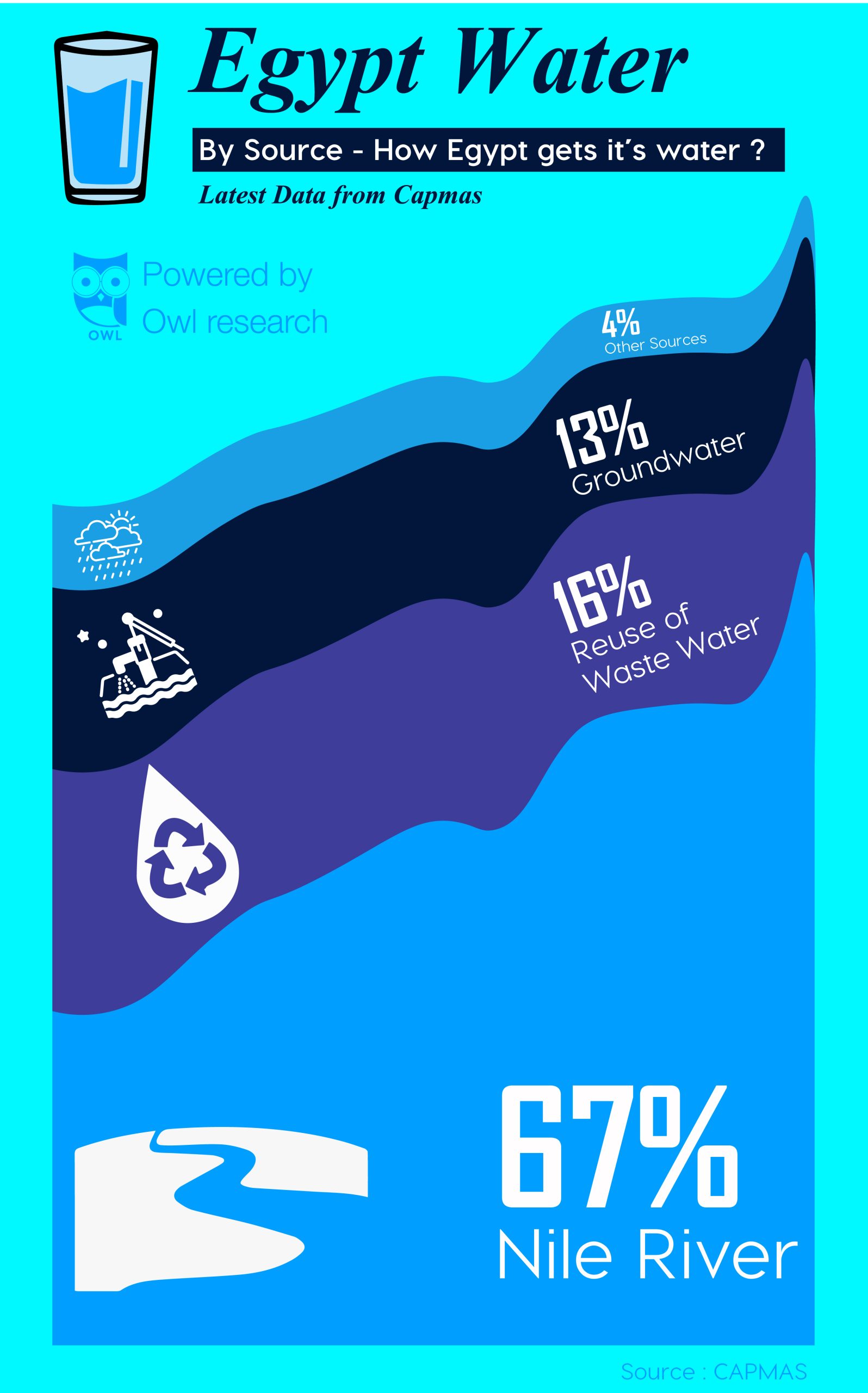
The Nile River is the lifeblood of Egypt, providing approximately 90% of the country’s total water supply. With an annual share of around 55 billion cubic meters, this iconic waterway has been the cornerstone of Egypt’s water resources for centuries. However, the country’s reliance on the Nile has also made it vulnerable to changes in upstream conditions, particularly the ongoing development of the Grand Ethiopian Renaissance Dam (GERD) in Ethiopia.
Diminishing Water Availability
Despite the Nile’s significance, Egypt’s water supply is under increasing strain. The country’s annual water needs are estimated to be at least 90 billion cubic meters, a figure that exceeds its current allocation. This water deficit has led to a decline in Egypt’s per capita water share, which has dropped to 570 cubic meters per year, falling below the internationally recognized threshold of 1,000 cubic meters per year for water scarcity.
Competing Demands and Challenges
The water scarcity in Egypt is further exacerbated by the growing population, intensive agricultural activities, and various industrial demands. Agriculture, in particular, accounts for the vast majority of the country’s water consumption, placing significant pressure on the available resources.
Addressing Water Scarcity: Egypt’s Comprehensive Approach
Efficient Water Management Strategies
In response to the water crisis, the Egyptian government has devised a comprehensive national plan to rationalize water usage and optimize the utilization of available resources. This plan, which extends until 2037, aims to provide alternative water sources, including desalination in coastal governorates, the establishment of groundwater extraction stations, and the reuse of treated wastewater.
Technological Advancements in Irrigation
A key component of Egypt’s water management strategy is the introduction of efficient and technologically advanced irrigation systems. By transitioning from traditional irrigation methods to more efficient alternatives, the country aims to reduce the agricultural sector’s water consumption and improve overall water efficiency.
Wastewater Treatment and Reuse
Another crucial aspect of Egypt’s water management plan is the expansion of wastewater treatment capabilities. The country is currently constructing 52 wastewater treatment plants in Upper Egypt, with a combined capacity of 418 million cubic meters per year. Additionally, the Bahr al-Baqar water station, the largest wastewater treatment plant in the world, was announced in 2020, with a capacity of 5 million cubic meters per day. The treated water from this plant will be used to cultivate and farm around 342,000 acres as part of the Sinai Peninsula Development Plan, further enhancing the country’s water resources.
Collaborative Efforts and International Partnerships
Addressing the GERD Challenge
The construction of the Grand Ethiopian Renaissance Dam (GERD) in Ethiopia has emerged as a significant challenge for Egypt, as it threatens the country’s already strained water supply. To address this issue, Egypt has engaged in diplomatic negotiations and international collaborations to find a mutually acceptable solution that ensures the fair and equitable use of the Nile’s water resources.
Partnering with International Organizations
Egypt has actively sought the assistance of international organizations and development partners to tackle its water challenges. The country has collaborated with entities such as UNICEF, which has highlighted the vulnerabilities of children to the impacts of water scarcity and environmental hazards. These partnerships have enabled Egypt to access technical expertise, funding, and innovative solutions to enhance its water management capabilities.
Sustainable Development Goals and Water Security
Progress on SDG 6: Clean Water and Sanitation
Egypt has made notable strides in aligning its water management efforts with the United Nations’ Sustainable Development Goal 6, which focuses on ensuring access to clean water and sanitation for all. The country has reported significant improvements in the proportion of the population using safely managed drinking water services, the management of sanitation services, and the treatment of wastewater.
Integrating Water Security into the National Agenda
The Egyptian government has recognized the critical importance of water security and has integrated it as a key priority within the national development agenda. This holistic approach ensures that water-related challenges are addressed in a comprehensive manner, involving various stakeholders and sectors to achieve long-term sustainability.
Empowering Communities and Raising Awareness
Grassroots Initiatives and Community Engagement
Alongside its institutional efforts, Egypt has also emphasized the importance of engaging with local communities to address water-related challenges. Grassroots initiatives and community-based programs have been instrumental in raising awareness, promoting water conservation practices, and empowering citizens to become active participants in water management.
Educational Campaigns and Capacity Building
The Egyptian government has also invested in educational campaigns and capacity-building programs to equip its citizens with the knowledge and skills necessary to contribute to sustainable water management. These initiatives aim to foster a culture of water stewardship and encourage responsible water usage practices at the individual and community levels.
Navigating the Future: Challenges and Opportunities
Adapting to Climate Change Impacts
As the effects of climate change continue to manifest, Egypt must adapt its water management strategies to address the evolving challenges. This includes implementing measures to mitigate the impacts of droughts, heatwaves, and other extreme weather events that can further exacerbate water scarcity.
Technological Innovation and Research
Embracing technological advancements and fostering a culture of research and innovation will be crucial in Egypt’s quest for water security. Investments in desalination, groundwater exploration, and the development of more efficient irrigation systems will be essential in diversifying the country’s water sources and optimizing resource utilization.
Strengthening International Cooperation
Recognizing the transboundary nature of water resources, Egypt must continue to engage in regional and international cooperation to find collaborative solutions to shared water challenges. This includes diplomacy, data-sharing, and the development of equitable water-sharing agreements with neighboring countries.
Conclusion
Egypt’s water challenges are multifaceted, but the country’s comprehensive approach to water management and its commitment to sustainable development offer hope for a more secure water future. By leveraging technological advancements, fostering international partnerships, and empowering local communities, Egypt is poised to navigate the complexities of water scarcity and ensure the well-being of its people, economy, and environment. As the country continues to adapt and innovate, it serves as a model for other nations facing similar water-related challenges, demonstrating the power of resilience and collective action in the face of a global water crisis.