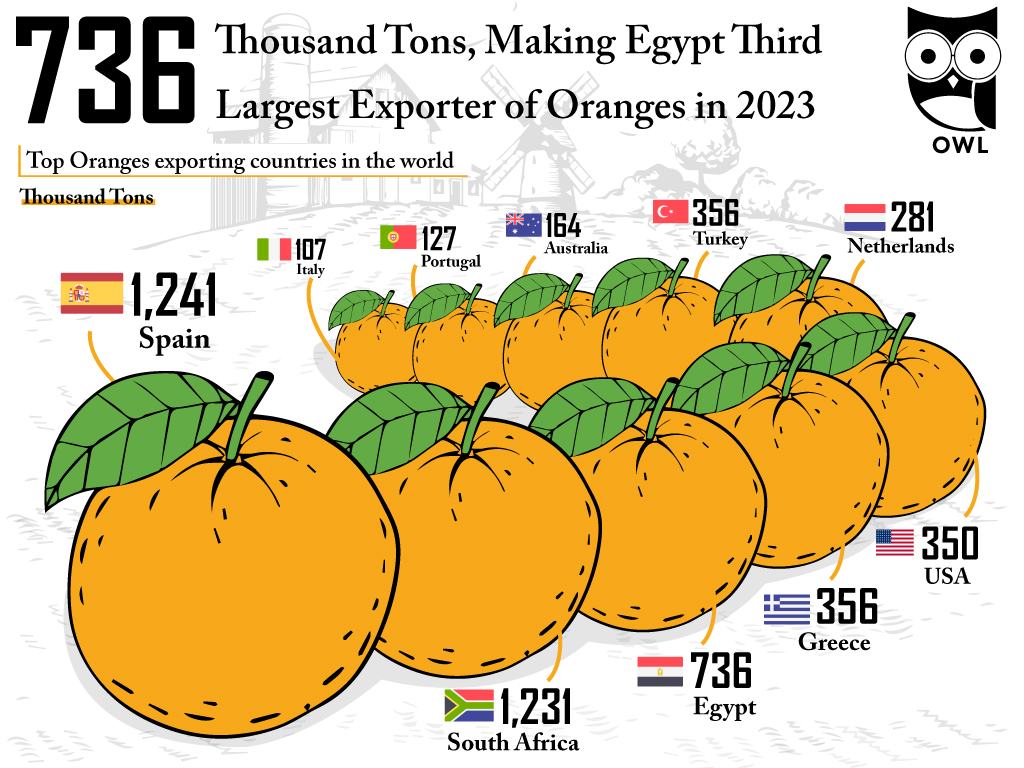
The global trade in oranges has been steadily on the rise, with the world’s leading producers and exporters vying for a larger share of this lucrative market. Oranges, classified under the Harmonized Tariff System (HTS) code 080510, have become a valuable commodity in the international trade landscape, with their distinct flavor, versatility, and health benefits driving consistent consumer demand.
This comprehensive article delves into the dynamics of the global orange export market, shedding light on the key players, emerging trends, and the factors shaping the competitive landscape. By analyzing the latest trade data and industry insights, we aim to provide a holistic understanding of the opportunities and challenges faced by orange exporting countries around the world.
Overview of the Global Orange Export Market
The global orange export market has experienced steady growth in recent years, with the total value of exported oranges reaching an impressive $4.93 billion in 2022. This represents a 4.9% increase from the previous year, underscoring the growing importance of oranges in the international trade arena.
A closer examination of the market reveals that the top five exporting countries – Spain, Egypt, South Africa, the United States, and the Netherlands – collectively account for a staggering 72.3% of the total global orange exports. This concentration of market share highlights the dominance of these nations in the global orange trade and their ability to capitalize on the increasing worldwide demand for this citrus fruit.
Geographical Distribution of Orange Exports
When analyzed by continent, Europe emerges as the leading exporter of oranges, accounting for 44.2% of the global total in 2023. This can be attributed to the strong performance of countries like Spain, Greece, Italy, and Portugal, which have established themselves as major players in the international orange trade.
Africa, on the other hand, claims the second-highest share of global orange exports at 31.8%, driven primarily by the success of South Africa, Egypt, and Morocco. North America, represented mainly by the United States, contributes 10.7% to the global export volume, while Asia and Oceania (led by Australia) account for 6.9% and 3.6%, respectively. Latin America and the Caribbean, excluding Mexico, make up the remaining 2.8% of worldwide orange exports.
Top Orange Exporting Countries
- Spain: Responsible for $1.29 billion (25%) of global orange exports in 2023, Spain has firmly cemented its position as the world’s leading supplier of this citrus fruit. The country’s favorable climate, advanced agricultural practices, and well-established export infrastructure have enabled it to maintain a dominant market share.
- Egypt: With $798.8 million (15.4%) in orange exports, Egypt has emerged as a formidable player in the global market. Its strategic geographical location, combined with its ability to capitalize on the growing demand for oranges in the Middle East and North Africa, has propelled it to the second spot among the top exporting nations.
- South Africa: Accounting for $792.4 million (15.3%) of global orange exports, South Africa has consistently been a major contributor to the international trade in this commodity. The country’s well-developed agricultural sector, efficient logistics, and focus on quality have allowed it to maintain a strong competitive edge.
- United States: The United States, with $521.5 million (10.1%) in orange exports, has established itself as a significant player in the global market. Its diverse growing regions, advanced farming techniques, and robust export infrastructure have enabled it to cater to both domestic and international demand.
- Netherlands: The Netherlands, with $338.4 million (6.5%) in orange exports, has leveraged its strategic location and efficient logistics to become a key hub for the distribution of oranges worldwide. The country’s role as a major re-exporter has further solidified its position among the top exporting nations.
Emerging Trends and Challenges in the Global Orange Export Market
The global orange export market is experiencing several notable trends and challenges that are shaping its future trajectory:
Sustainable Farming Practices
Driven by growing consumer awareness and environmental concerns, there is an increasing emphasis on sustainable farming practices among orange-exporting countries. This includes the adoption of organic cultivation methods, water conservation strategies, and integrated pest management techniques to minimize the environmental impact of orange production.
Diversification of Export Destinations
While traditional markets like Europe and North America remain crucial, orange-exporting countries are actively diversifying their export destinations to include emerging markets in Asia, the Middle East, and Africa. This strategy aims to mitigate the risks associated with reliance on a few key markets and capitalize on the rising demand for oranges in these regions.
Climate Change and Weather Variability
The orange export industry is not immune to the challenges posed by climate change and weather variability. Extreme weather events, such as droughts, floods, and temperature fluctuations, can significantly impact orange production and disrupt supply chains, posing a threat to the stability and sustainability of the global trade in this commodity.
Phytosanitary Regulations and Market Access
Navigating the complex web of phytosanitary regulations and market access requirements in various importing countries has become a critical concern for orange-exporting nations. Compliance with these standards is essential to maintain access to lucrative markets, but it also requires continuous adaptation and investment in technological solutions and quality control measures.
Competitive Landscape and Trade Dynamics
The global orange export market is characterized by intense competition, with leading exporting countries vying for a larger share of the pie. This competitive landscape is shaped by several factors, including:
Trade Surpluses and Deficits
An analysis of the net export positions of countries reveals that Spain, Egypt, and South Africa enjoy the highest trade surpluses in the orange export market, indicating their strong competitive advantages. In contrast, Germany, France, and Canada are among the countries with the largest trade deficits, highlighting their reliance on imports to meet domestic demand.
Emerging Exporters and Market Disruptors
While the top five exporting countries continue to dominate the market, the landscape is not static. Emerging exporters, such as Greece, Chile, and Italy, have been making significant strides, recording impressive growth rates in their orange export volumes and challenging the established players.
Cooperative Strategies and Alliances
To enhance their competitiveness, some orange-exporting countries have adopted cooperative strategies, such as forming producer associations or engaging in joint marketing initiatives. These collaborative efforts aim to leverage economies of scale, improve bargaining power, and enhance the collective brand image of their oranges in the global marketplace.
Oranges in the Global Supply Chain
The global orange export market is not just about the movement of the fruit itself; it is also intricately linked to the broader supply chain and logistics infrastructure that enables the efficient distribution of this commodity around the world.
Transportation and Logistics
Orange-exporting countries have invested heavily in developing robust transportation and logistics networks to ensure the timely and cost-effective delivery of their products to international markets. This includes investments in port facilities, cold storage infrastructure, and multimodal transportation options to maintain the freshness and quality of the oranges during transit.
Value-Added Processing and Product Diversification
Beyond the export of fresh oranges, some countries have also focused on developing value-added products, such as orange juice, concentrates, and essential oils. This diversification strategy allows them to capture a larger share of the global citrus market and cater to evolving consumer preferences.
Traceability and Food Safety
Driven by heightened consumer awareness and stringent regulations, orange-exporting countries are placing greater emphasis on traceability and food safety measures. This includes the implementation of blockchain technology, digital certification systems, and comprehensive quality control protocols to ensure the integrity and safety of their orange exports.
Opportunities and Future Outlook
The global orange export market presents a wealth of opportunities for both established and emerging players. Some of the key areas of growth and potential include:
Expanding into Emerging Markets
The rising middle class and growing demand for citrus fruits in regions like Asia, Africa, and the Middle East offer significant untapped potential for orange-exporting countries. By strategically targeting these markets and adapting their marketing and distribution strategies, exporters can tap into new sources of revenue and diversify their customer base.
Product Innovation and Differentiation
Investing in research and development to create innovative orange-based products, such as specialty varieties, organic offerings, and value-added items, can help exporters differentiate their offerings and command premium prices in the global marketplace.
Sustainable and Environmentally Friendly Practices
Embracing sustainable farming practices, reducing carbon footprints, and promoting the environmental benefits of oranges can not only address growing consumer concerns but also position exporting countries as responsible and forward-thinking players in the global citrus industry.
Leveraging Digital Technologies
The integration of digital technologies, such as predictive analytics, blockchain, and precision farming, can enhance the efficiency, transparency, and traceability of the orange export supply chain, ultimately improving the competitiveness of exporting countries in the global market.
Conclusion
The global orange export market has emerged as a dynamic and rapidly evolving landscape, with leading producers and exporters vying for a larger share of this lucrative commodity. As the world’s appetite for oranges continues to grow, the future outlook for this industry remains promising, with ample opportunities for countries to capitalize on emerging trends, overcome challenges, and solidify their positions as key players in the global citrus trade.
By understanding the intricate dynamics of the orange export market, stakeholders can make informed decisions, develop strategic plans, and position their countries for long-term success in this thriving sector of the global economy.