Africa, the second-largest continent in the world, has long been recognized for its abundant natural resources, particularly its vast reserves of crude oil. As the global energy landscape continues to evolve, the oil and gas industry in Africa has become increasingly crucial, not only for the continent’s economic development but also for its role in shaping the world’s energy future. This article delves into the intricacies of Africa’s oil reserves, their significance, and the potential they hold for transforming the continent’s economic landscape.
Mapping Africa’s Oil Wealth
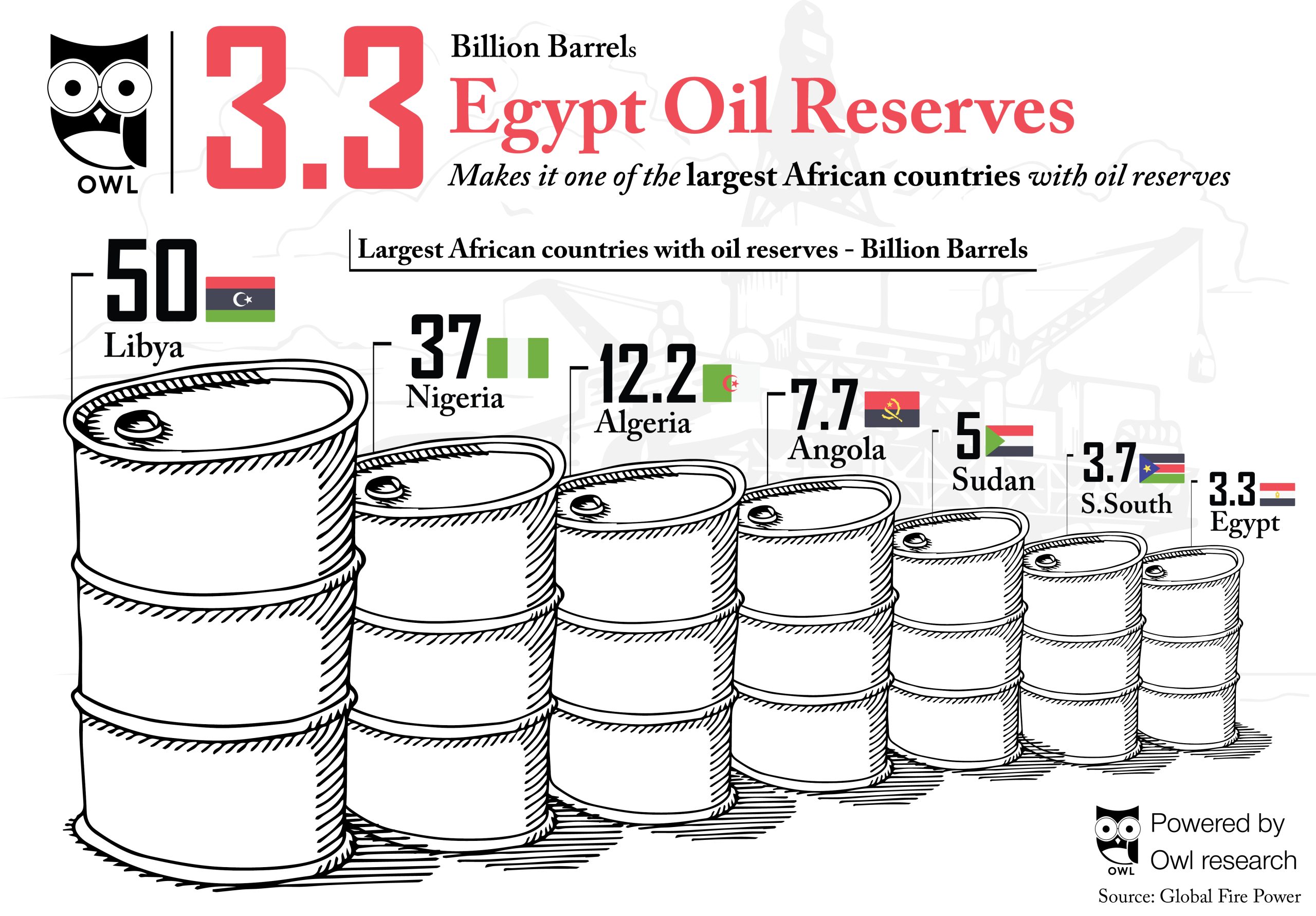
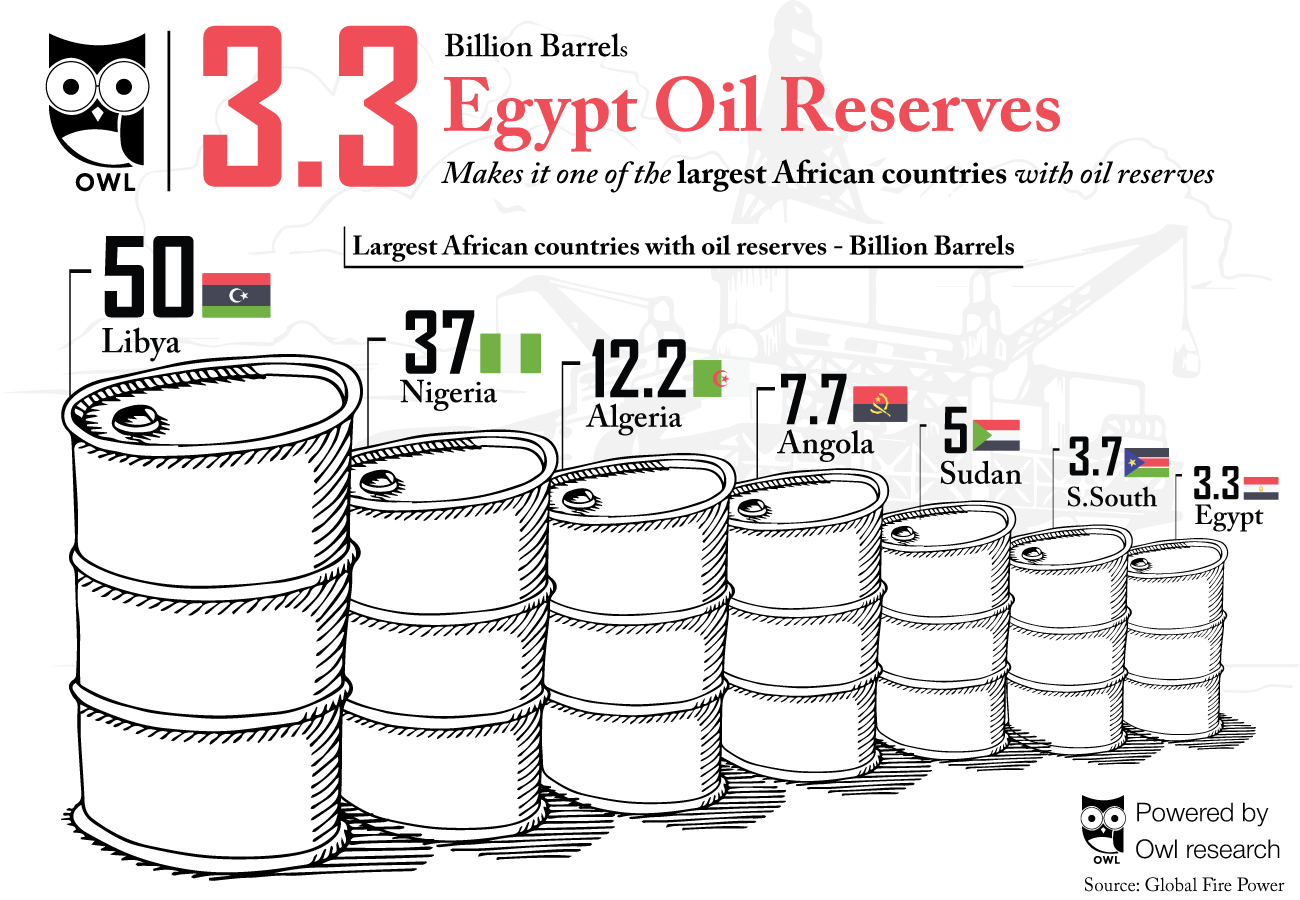
Africa’s oil reserves are widely dispersed across the continent, with several countries emerging as key players in the global energy market. According to the latest data, Libya holds the largest proven crude oil reserves in Africa, accumulating a staggering 48.4 billion barrels as of 2021. Nigeria, the continent’s most populous nation, follows closely with reserves of 36.9 billion barrels. Algeria, another North African powerhouse, rounds out the top three with 12.2 billion barrels of proven reserves.
Interestingly, the distribution of oil reserves across Africa is not limited to these three giants. Countries like Angola, South Sudan, Egypt, and Congo-Brazzaville also boast substantial reserves, ranging from 7.78 billion barrels to 2.88 billion barrels. This diversity in oil-rich nations underscores the continent’s immense potential to harness its natural wealth and drive economic growth.
Oil Production and Africa’s Economic Landscape
The significance of Africa’s oil reserves extends far beyond their sheer volume. The continent’s oil production plays a crucial role in shaping its economic landscape. In 2019, Africa’s oil output reached nearly 8.4 million barrels per day, making it a significant contributor to the global energy supply.
However, the distribution of oil production across the continent is uneven. While Nigeria, the largest oil producer in Africa, generated around 2.1 million barrels per day in 2019, Libya has been grappling with conflicts and political instability, resulting in a relatively low level of oil production, at around 1.1 million barrels per day during the same year.
The impact of the oil industry on Africa’s economies is profound. In countries like Nigeria, the oil sector accounts for a significant portion of the gross domestic product (GDP), contributing as much as 7% in 2019. In Angola, another oil-rich nation, the industry’s contribution to GDP was even more substantial, reaching nearly 40% in the same year.
Navigating the Challenges of Africa’s Oil Industry
Despite the immense potential of Africa’s oil reserves, the industry faces a myriad of challenges that must be addressed to unlock its full economic potential. Political instability, conflicts, and security concerns have been persistent issues, particularly in countries like Libya, where the oil industry has been severely disrupted by ongoing conflicts.
Additionally, the environmental impact of oil extraction and production has become a growing concern, with calls for a shift towards more sustainable energy sources. This has led to increased scrutiny and pressure on oil-producing countries to adopt more environmentally-friendly practices and invest in renewable energy alternatives.
Diversifying Africa’s Energy Mix
As the global energy landscape evolves, Africa’s oil-producing nations are recognizing the need to diversify their energy mix. While fossil fuels will continue to play a crucial role in the continent’s energy future, there is a growing emphasis on the development of renewable energy sources, such as solar, wind, and hydropower.
Countries like South Africa, Morocco, and Egypt have made significant strides in expanding their renewable energy capabilities, leveraging their abundant natural resources to power their economies. This shift towards a more diversified energy mix not only reduces the environmental impact of oil production but also enhances the long-term sustainability of Africa’s energy sector.
Unlocking Africa’s Oil Potential through Collaboration
Realizing the full potential of Africa’s oil reserves will require a collaborative effort among various stakeholders, including national governments, international oil companies, and development organizations. This collaboration can take many forms, from joint ventures and technology transfers to capacity-building initiatives and sustainable development programs.
By fostering this collaborative approach, Africa can not only maximize the economic benefits of its oil reserves but also address the pressing social and environmental challenges that often accompany the oil industry. This holistic approach can help ensure that the continent’s natural wealth translates into tangible improvements in the lives of its people and the long-term sustainability of its economies.
Conclusion: A Future Powered by Africa’s Oil Wealth
Africa’s oil reserves hold immense promise for the continent’s economic future. As the global energy landscape continues to evolve, the strategic management and development of these resources will be crucial in driving sustainable growth, creating jobs, and improving the overall quality of life for millions of Africans.
By navigating the challenges, embracing innovation, and fostering collaborative partnerships, Africa can harness the power of its oil wealth to transform the continent’s economic landscape and position itself as a key player in the global energy arena. The future of Africa’s oil reserves is one of boundless potential, paving the way for a more prosperous and sustainable continent.