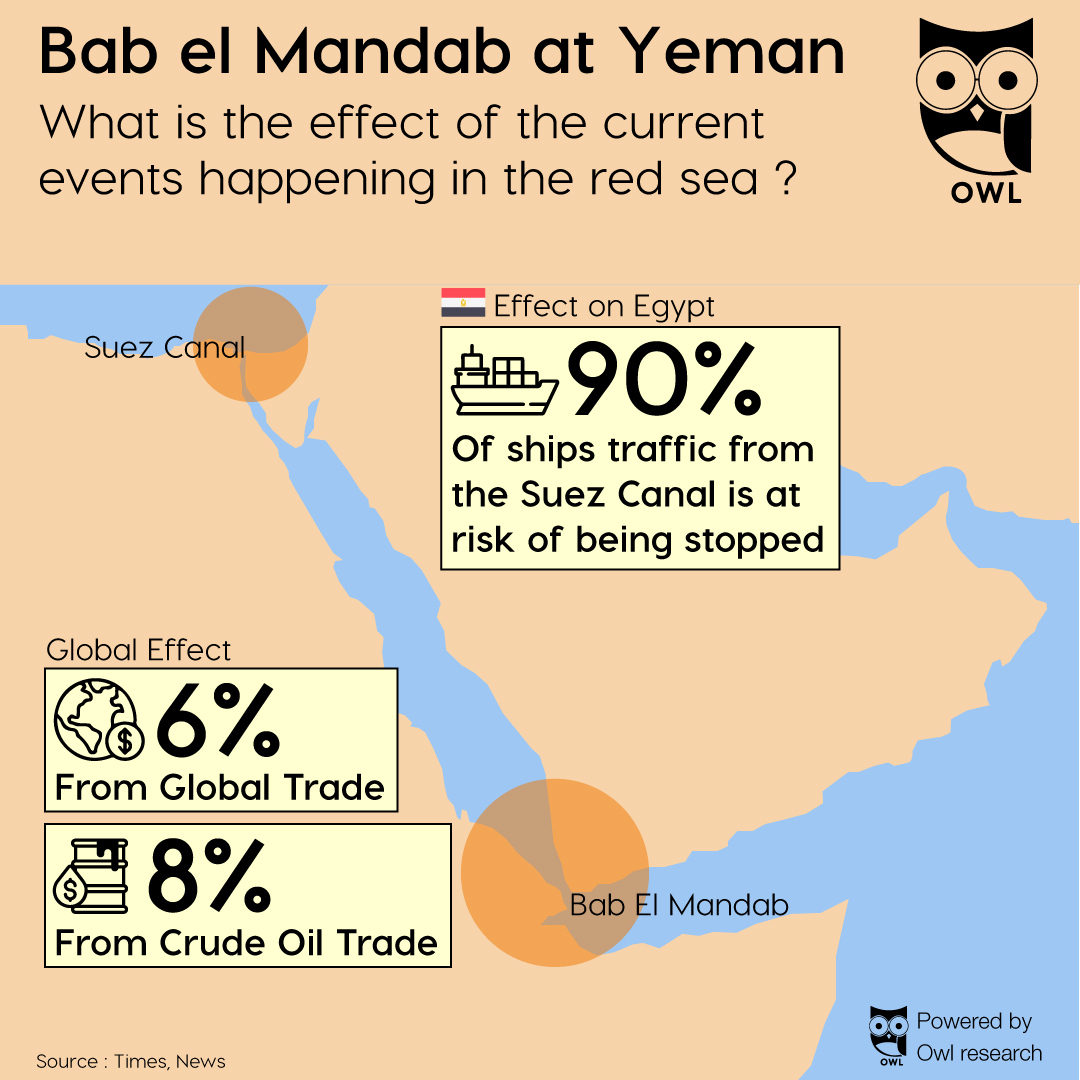
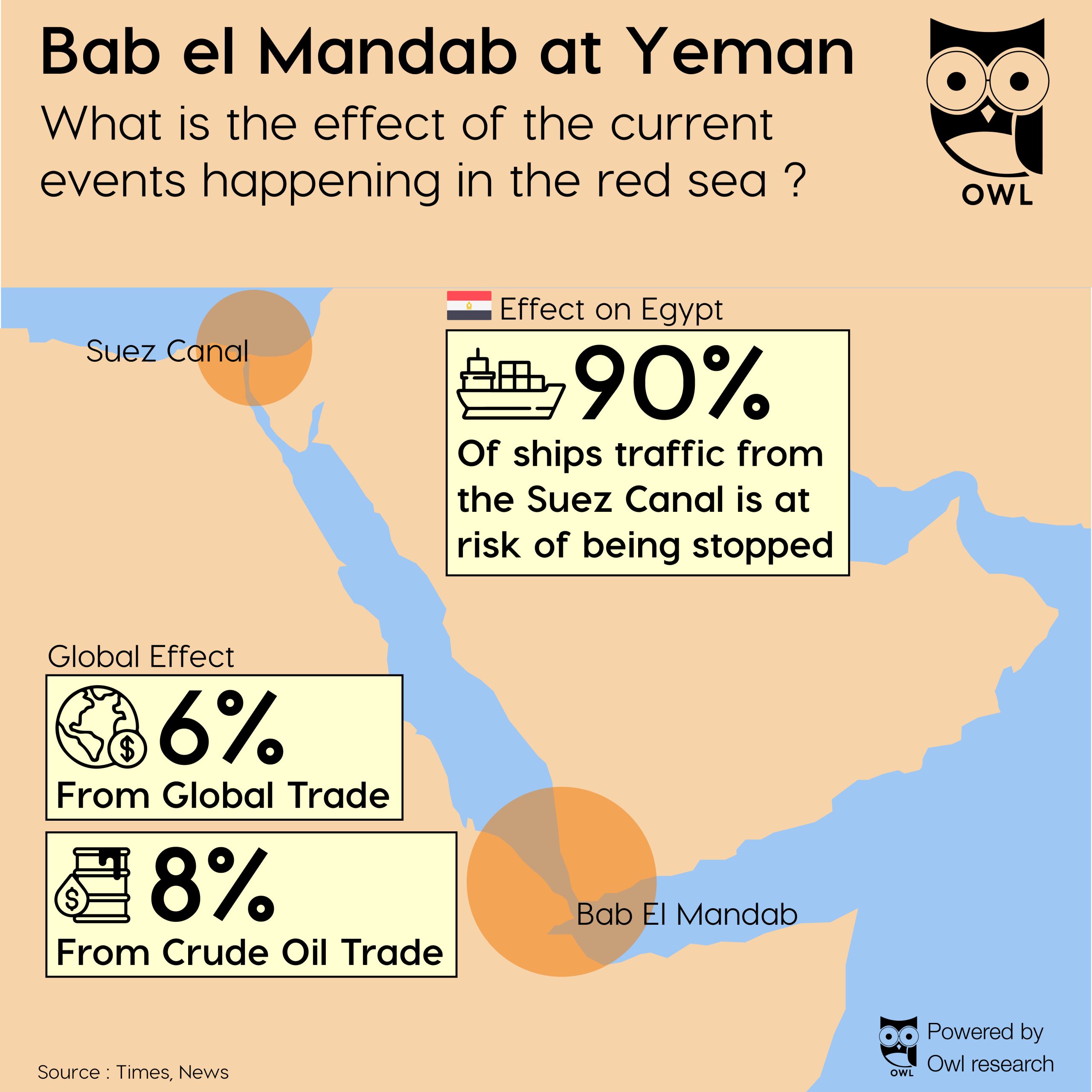
The Red Sea region has emerged as a critical geopolitical hotspot, witnessing a surge in tensions and security challenges that threaten regional stability and global trade. From the Houthi militia’s attacks on commercial vessels to the escalating competition among regional and global powers, the complexities of this strategic waterway demand urgent attention. As the world grapples with the repercussions, it is imperative to explore comprehensive solutions that not only address the immediate threats but also harness the immense potential of this vital maritime corridor.
Geopolitical Tensions and the Scramble for Power
The Red Sea has become a focal point for global and regional rivalries, with local, regional, and international dynamics intertwined in a complex web of strategic interests. Major powers, including the United States, China, and various Gulf states, have established military bases and installations around the region, fueling an arms race and exacerbating existing conflicts. This heightened militarization has exacerbated the already dire humanitarian conditions, contributing to fragility across the Horn of Africa, the Middle East, and North Africa.
The Role of External Actors
The involvement of external actors in the region’s internal affairs has been a significant driver of instability. In Sudan, the competition between Gulf states is widely considered a key factor behind the ongoing civil war. Similarly, in Somalia and Yemen, external influences have fueled internal disputes and aggravated tensions, undermining state-building efforts and leading to devastating consequences, particularly in the case of Yemen.
The Scramble for Resources and Critical Commodities
The scramble for scarce natural resources and critical commodities, including water, agricultural land, and food supplies, has further intensified the geopolitical tensions in the region. Gulf states, in particular, have invested billions in agriculture and manufacturing in the Horn of Africa in recent years, seeking to secure food production and tap into the region’s burgeoning labor markets.
Escalating Regional Insecurity
The deteriorating security situation in the Red Sea region reached a critical point in early 2024 when the Houthi attacks on ships in the Red Sea, the Gulf of Aden, and the Bab el-Mandeb Strait disrupted global trade and threatened regional and international stability.
Houthi Attacks and the Disruption of Trade
The Houthi attacks, which were in response to the ongoing conflict in Gaza, have had far-reaching consequences. They have delayed peace negotiations in Yemen, weakening the fragile trust needed to agree on an extended ceasefire and a roadmap to peace. The attacks have also compounded the region’s humanitarian challenges, disrupting the flow of essential goods and humanitarian aid to the Horn of Africa and the Red Sea region, worsening shortages and human suffering.
Responses and Escalation
In response to the Houthi attacks, the United States and the United Kingdom carried out airstrikes against targets in Yemen, while the European Union launched Operation ASPIDES to protect vessels in the region. This escalation has further exacerbated the situation, delaying progress towards a peaceful resolution.
Increased Migration and Piracy
Instability on both coasts of the Red Sea has also led to a surge in migration across the region. The number of migrants from the Horn of Africa arriving in Yemen has nearly tripled in recent years, with tens of thousands making the dangerous crossing annually in search of better economic opportunities. Additionally, the rise in piracy off the coast of Somalia has exacerbated regional insecurity, with reports of coordination between the Houthis and the Al-Shabaab armed group, increasing the risk of human trafficking and forced migration.
Addressing the Threats: Opportunities for Multilateral Cooperation
Despite the significant barriers to effective cooperation in the Red Sea region, there are opportunities to strengthen multilateralism, foster collaboration, and pursue collective action to address the multifaceted challenges.
Prioritizing Economic and Regional Integration
Prioritizing economic and regional integration is crucial to unlocking the region’s vast potential. The geographical proximity between the Horn of Africa and Yemen across the Bab el-Mandeb Strait has previously led to initiatives like the proposed “Bridge of the Horns” project, which envisioned deeper economic, cultural, and political ties across the Red Sea. While the project did not materialize, it serves as a symbol of the potential for mutually beneficial cooperation.
Establishing Multilateral Frameworks
The establishment of the Red Sea Council in 2020 (formally the Council of Arab and African States bordering the Red Sea and the Gulf of Aden) could provide a much-needed platform for multilateral cooperation and dialogue to mitigate tensions and foster a shared vision for the region.
Areas for Enhanced Cooperation
There are several areas where enhanced cooperation could benefit the Red Sea region as a whole:
- Maritime Security: Establishing joint coastal patrols and information-sharing mechanisms could significantly enhance maritime security and combat piracy, smuggling, and terrorism along the vital maritime corridor.
- Economic Integration: Developing regional trade agreements and infrastructure projects could boost economic growth and interdependence, reducing the likelihood of conflict.
- Environmental Sustainability: Collaborative efforts to address climate change, manage shared water resources, and protect marine ecosystems could promote sustainability and reduce resource-related tensions.
- Humanitarian Response and Development: Coordinating humanitarian responses and development programs could address the root causes of instability, such as poverty, food insecurity, and poor access to education and healthcare.
- Conflict Resolution: Establishing platforms for dialogue and mediation could help to resolve disputes peacefully, preventing the escalation of conflicts.
Strengthening Resilience and Mitigating Economic Impacts
The threats and disruptions in the Red Sea region have had far-reaching economic consequences, impacting global supply chains, energy supplies, and commodity exports, with potentially severe implications for both regional and international economies.
Disruption of Global Trade and Supply Chains
The Houthi attacks on commercial vessels, combined with the decreasing freight in the Panama Canal due to lowered water levels, have led to the diversion of shipping routes around the Cape of Good Hope. This diversion has caused significant delays, disrupting global supply chains and forcing some companies to halt production in their factories.
Implications for Energy Supplies and Prices
The disruptions in the Red Sea have the potential to affect energy supplies and prices, potentially contributing to higher inflation and complicating the efforts of central banks to achieve a ‘soft landing’ in their economies.
Impacts on Developing Countries
The situation in the Red Sea region could also have severe consequences for developing countries, particularly in Africa. If the United States and European Union central banks decide to keep interest rates high, many countries in Africa that have debt repayment deadlines this year will have to pay premium prices for international debt, raising the risk of defaults and further economic instability.
Addressing Critical Infrastructure Vulnerabilities
In addition to the attacks on ships, there are suspicions that the Houthis have been involved in damage to submarine communications cables, which could represent a significant cost to the European Union and other economies. The European Commission has recently adopted a recommendation on the security and resilience of submarine cable infrastructures to address these vulnerabilities.
Unlocking the Region’s Potential
Despite the daunting challenges, the Red Sea region holds immense potential for growth and development. By prioritizing cooperation, innovation, and a commitment to sustainable development, the countries in the region can unlock this potential and create a more prosperous and stable future.
Harnessing Economic Opportunities
The strategic location and abundant resources of the countries on both shores of the Red Sea, if harnessed constructively and collectively, could spur economic prosperity and regional stability. Initiatives like the proposed “Bridge of the Horns” project, if revived and implemented, could foster deeper economic, cultural, and political ties across the region.
Promoting Sustainable Development
Collaborative efforts to address climate change, manage shared water resources, and protect marine ecosystems could not only promote environmental sustainability but also reduce resource-related tensions and foster a more cooperative regional dynamic.
Strengthening Regional Institutions and Frameworks
The establishment of the Red Sea Council and the development of other multilateral frameworks could provide the necessary platforms for dialogue, conflict resolution, and the coordination of regional development strategies. By strengthening these institutions and frameworks, the countries in the region can work together to address shared challenges and unlock the region’s vast potential.
Conclusion
The Red Sea region stands at a critical juncture, facing a confluence of security threats, geopolitical tensions, and economic disruptions that have far-reaching implications. However, this renewed focus on the region also presents an opportunity to redouble the commitment to multilateralism and collective action. By addressing the immediate threats, promoting economic and regional integration, and harnessing the region’s untapped potential, the countries in the Red Sea region can chart a path towards a more stable, prosperous, and sustainable future. Navigating these turbulent waters will require bold, collaborative, and forward-thinking leadership, but the rewards of such an endeavor could be transformative for the region and the global community.