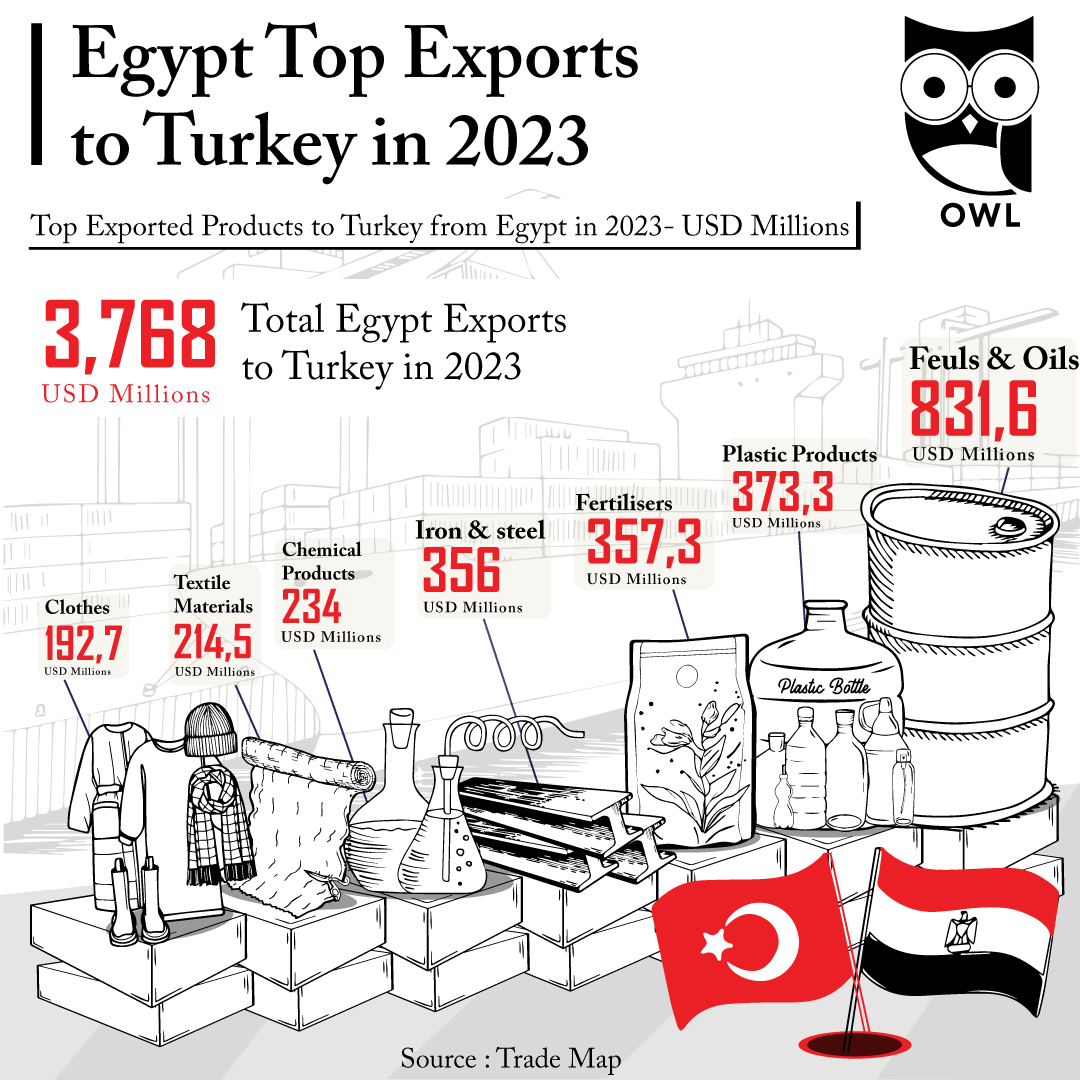
For nearly a decade, Turkey and Egypt found themselves on opposing sides of a geopolitical divide in the Middle East, with their leaders engaging in bitter rhetoric and backing rival factions across the region. However, in a surprising turn of events, the two regional powers have recently taken steps to bury the hatchet and mend their fractured relationship. This newfound rapprochement marks a significant shift in the regional power dynamics, with far-reaching implications for the future of the Middle East.
The Roots of the Turkey-Egypt Rift
The roots of the Turkey-Egypt rift can be traced back to the aftermath of the 2011 Arab uprisings, when the two countries found themselves on opposite sides of the political spectrum. Recep Tayyip Erdogan, then the Prime Minister of Turkey, emerged as a vocal supporter of the Muslim Brotherhood and its allies, while Abdel Fattah el-Sisi, then a senior army officer in Egypt, led the military’s removal of the democratically elected President Mohamed Morsi, a member of the Muslim Brotherhood.
Escalating Tensions and the Emergence of a Third Axis
The fallout from Morsi’s ouster led to a dramatic deterioration in Turkey-Egypt relations. Erdogan condemned the coup and welcomed Egyptian dissidents, including members of the Muslim Brotherhood, into Turkey. Meanwhile, Egypt drew closer to Saudi Arabia and the United Arab Emirates, which viewed the Muslim Brotherhood as a threat to their own political stability. This rift gave rise to what was once seen as an emerging “third axis” in the Middle East, distinct from the Saudi-led, pro-Western camp and the Iranian-led “Axis of Resistance.”
Proxy Conflicts and the Libya Battleground
The tensions between Turkey and Egypt spilled over into proxy conflicts across the region, with the two countries finding themselves on opposite sides of the civil war in Libya. While Cairo and Abu Dhabi backed the eastern-based forces of Khalifa Haftar, Ankara openly supported the government in Tripoli, which included elements of the Muslim Brotherhood’s Libyan branch. The conflict in Libya became a decisive battleground, with Turkey’s deployment of the now-famous Bayraktar drones helping to turn the tide in favor of the Tripoli government.
Shifting Geopolitical Realities and the Path to Reconciliation
As the regional landscape shifted, the impetus for reconciliation between Turkey and Egypt grew stronger. The blockade of Qatar, which had pitted the Saudi-led camp against Turkey’s allies, was ended in 2021, removing a key point of contention. Moreover, the Muslim Brotherhood and its offshoots had been largely wiped out across the Arab world, reducing the ideological divide between Ankara and Cairo.
The Thaw in Relations and Its Implications
In February 2022, Erdogan visited Cairo, marking a milestone in the normalization of Turkey-Egypt relations. The carefully choreographed meeting between the two leaders was seen as a final burial ceremony for the “third axis” that had once threatened to reshape the regional power dynamics. Since then, the two countries have taken concrete steps to rebuild their economic and diplomatic ties, with a focus on expanding trade, energy cooperation, and joint defense projects.
Navigating the New Realities
As Turkey and Egypt work to mend their relationship, they must navigate a complex and rapidly evolving regional landscape. While the two countries have found common ground on issues such as the Palestinian cause, it remains to be seen whether they will take bold steps to address this longstanding conflict. Moreover, the future of their cooperation will likely be shaped by their respective relationships with other regional powers, such as Saudi Arabia, the UAE, and Iran.
Challenges and Opportunities Ahead
Despite the progress made in recent years, the Turkey-Egypt relationship still faces significant challenges. The legacy of the past decade’s bitter rift will not be easily erased, and the two countries may continue to find themselves on opposite sides of regional conflicts and disputes. However, the shared recognition of the need for regional stability and economic cooperation could provide a strong foundation for a more enduring partnership.
The Shifting Balance of Power in the Middle East
The thaw in Turkey-Egypt relations is emblematic of a broader shift in the regional power dynamics. As the Saudi-led camp and the Iranian-led “Axis of Resistance” continue to jockey for influence, the reemergence of Turkey and Egypt as key players could lead to a more multipolar and fluid geopolitical landscape in the Middle East.
Implications for Regional Security and Stability
The normalization of Turkey-Egypt ties could have significant implications for regional security and stability. By aligning their positions on key issues, the two countries may be able to play a more constructive role in mediating conflicts and finding solutions to longstanding regional problems, such as the situation in Libya and the ongoing tensions between Israel and the Palestinians.
The Economic Dimension: Unlocking Mutual Prosperity
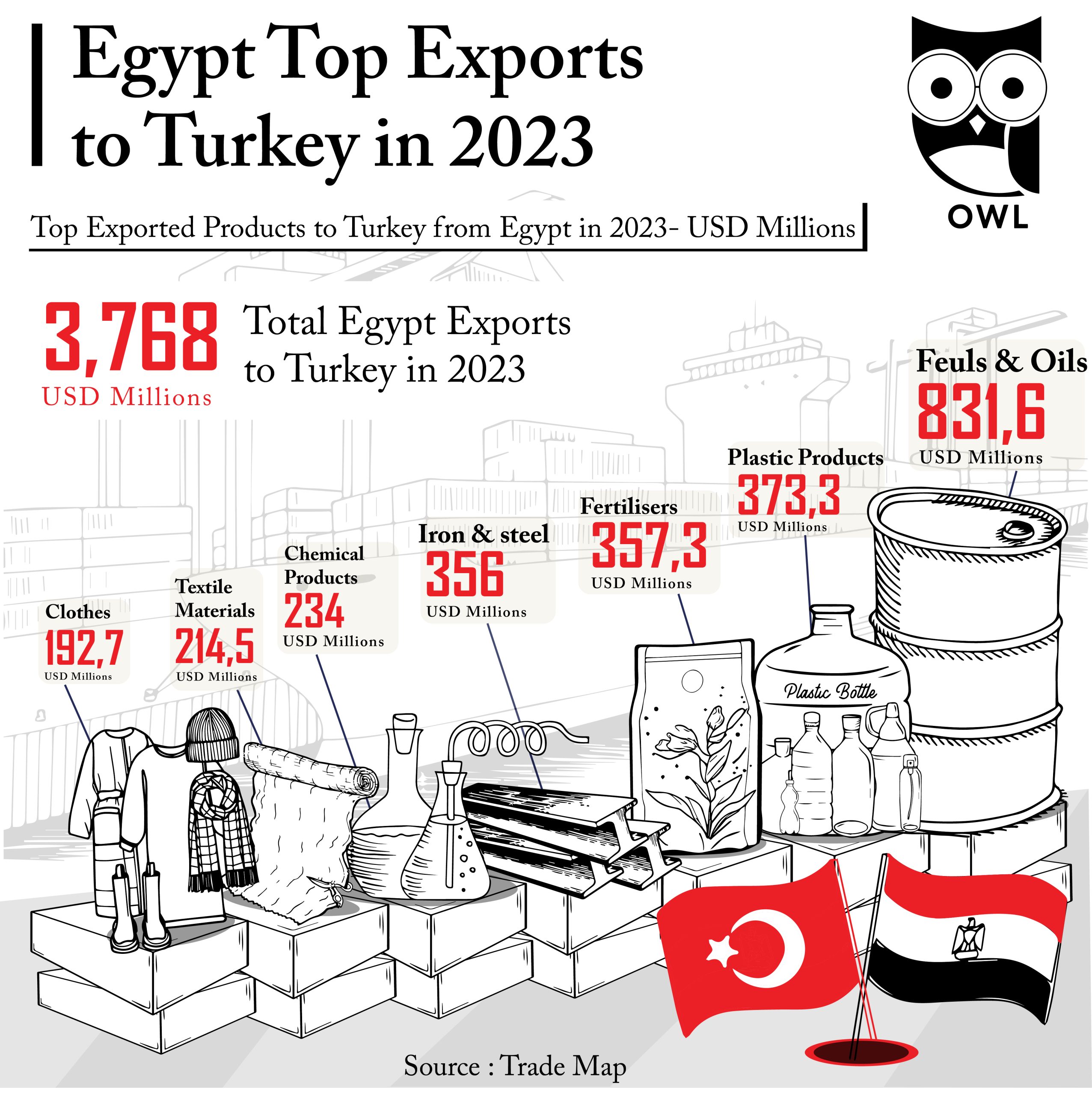
The economic dimension of the Turkey-Egypt relationship has also been a key driver of the reconciliation process. As the two countries work to expand trade, investment, and energy cooperation, they are unlocking new opportunities for mutual prosperity and economic growth.
Domestic Considerations and Political Shifts
The thaw in Turkey-Egypt relations has also been influenced by domestic political considerations in both countries. For Erdogan, mending ties with Egypt and other regional powers has been seen as a necessary step to shore up his political support and navigate an economic crisis at home. Similarly, el-Sisi’s willingness to engage with Turkey reflects a broader shift in Egypt’s foreign policy, as the country seeks to diversify its international partnerships and reduce its reliance on traditional allies like Saudi Arabia and the UAE.
The Road Ahead: Towards a New Era of Regional Cooperation?
As Turkey and Egypt continue to rebuild their relationship, the future of the Middle East may be shaped by the dynamics between these two regional powers. While the path ahead is not without its challenges, the potential for a new era of regional cooperation and stability is palpable. By leveraging their shared interests and navigating the complex geopolitical landscape, Turkey and Egypt may be able to play a pivotal role in shaping the future of the Middle East.