Introduction
During the first half of 2023, Egypt’s export performance reflected both global challenges and domestic opportunities. Inflation, shifts in energy prices, and currency volatility shaped trade outcomes. Understanding Egypt’s top exports in this period highlights the country’s economic structure and the role of key industries.
Major Export Products in H1 2023
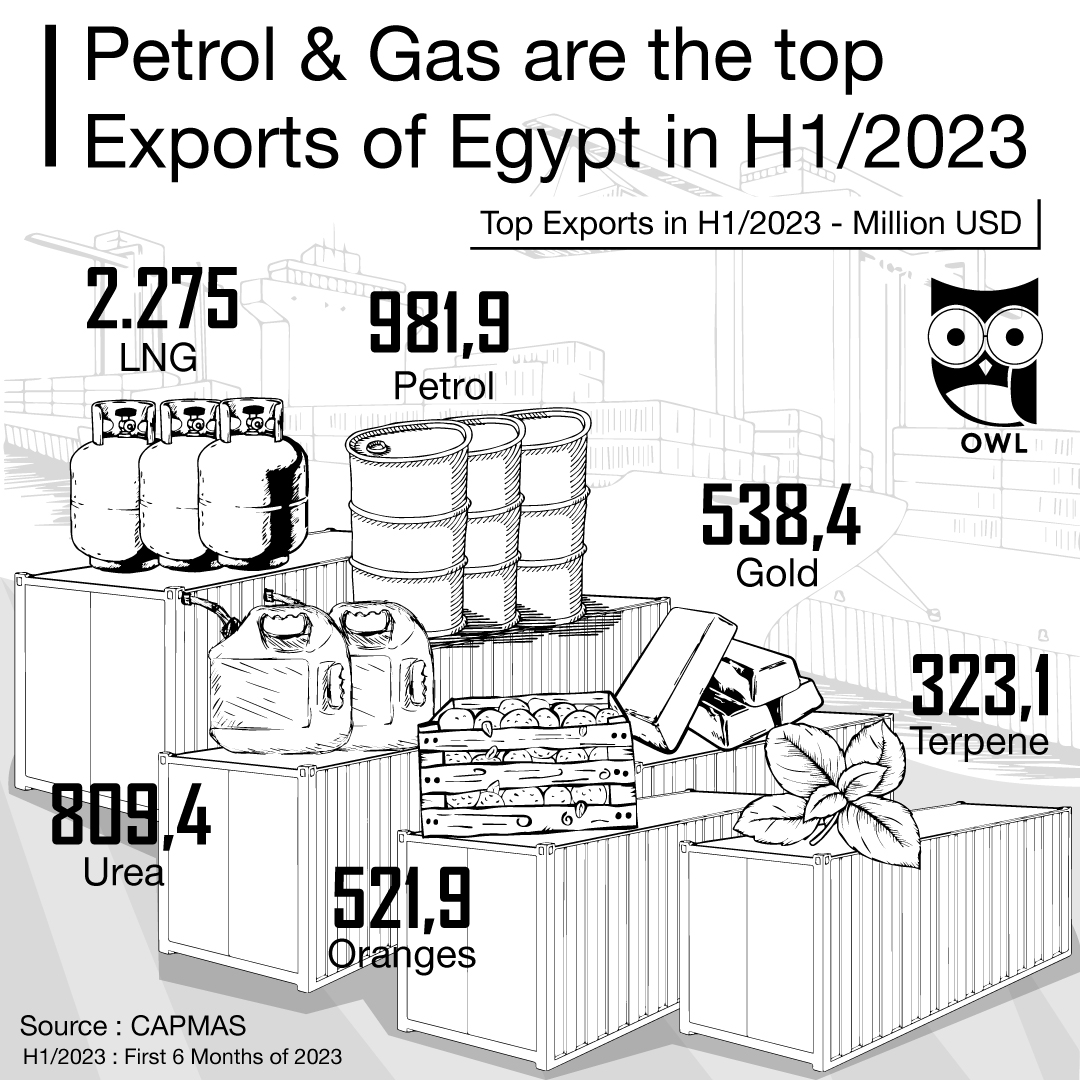
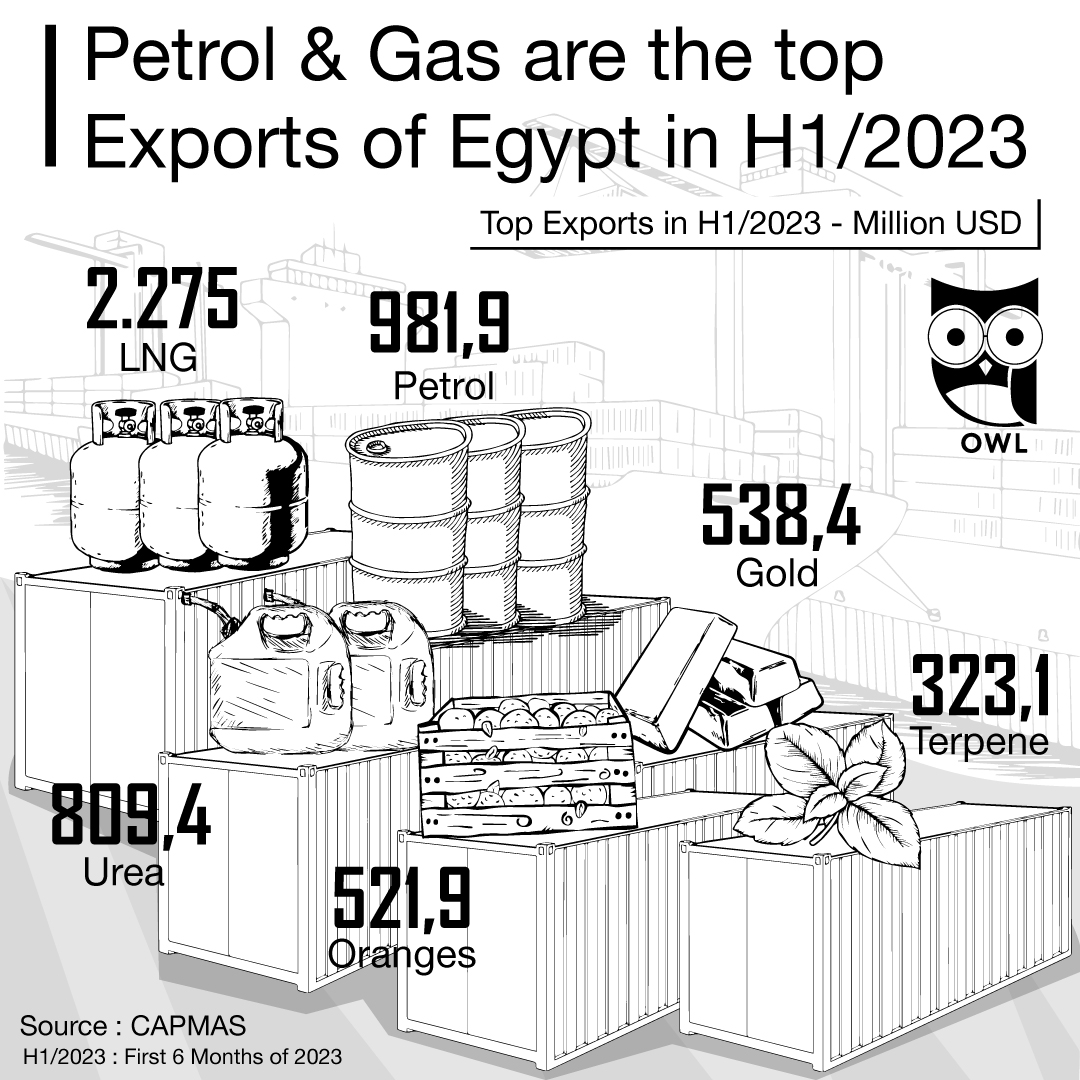
Based on trade data samples (CAPMAS, OEC, and media reports), the following products dominated Egypt’s exports in the first six months of 2023:
- Refined Petroleum Products
Egypt continues to rely heavily on refined petroleum exports, leveraging its refining capacity and strategic location. - Natural Gas and LNG
Exports of natural gas and liquefied natural gas were strong due to high global demand and elevated energy prices. - Nitrogenous Fertilizers
A cornerstone of Egyptian industrial exports, fertilizers accounted for a significant share of non-oil exports. - Agricultural Products
Fresh fruits, vegetables, and other agricultural products remained vital, strengthening Egypt’s role as a supplier to Europe, the Middle East, and Africa. - Textiles and Ready-Made Garments
Despite competition and cost pressures, Egypt’s textile sector remained a key export contributor, particularly to European and U.S. markets. - Gold and Precious Metals
Although volatile, gold exports contributed notably to foreign currency earnings.
Key Export Destinations
- Turkey: Egypt’s largest export partner in H1 2023, receiving around US$2.3 billion worth of goods.
- Italy: A major importer, with ~US$1.6 billion.
- Saudi Arabia: Around US$1.3 billion in imports from Egypt.
- Other significant destinations included Spain, the UAE, and the United States.
Trends and Challenges
- Energy Dependence: Energy exports (refined petroleum and natural gas) remained dominant, exposing Egypt to global price volatility.
- Value Addition: Growth in fertilizers, garments, and processed goods signals a gradual shift away from reliance on raw commodity exports.
- Currency Fluctuations: The depreciation of the Egyptian pound increased competitiveness abroad but raised domestic production costs.
- Logistics Costs: Rising global shipping and transport costs pressured export margins.
- Market Diversification: Expanding exports beyond traditional markets in Europe and the Middle East is still a policy challenge.
Conclusion
Egypt’s H1 2023 export profile was led by energy (refined petroleum and LNG), alongside strong contributions from fertilizers, agriculture, textiles, and gold. While the energy sector underpinned export growth, diversification into manufacturing and agriculture remains crucial for long-term resilience. The challenge for Egypt is to balance its reliance on energy exports with strategies that boost high-value, sustainable, and diversified exports.