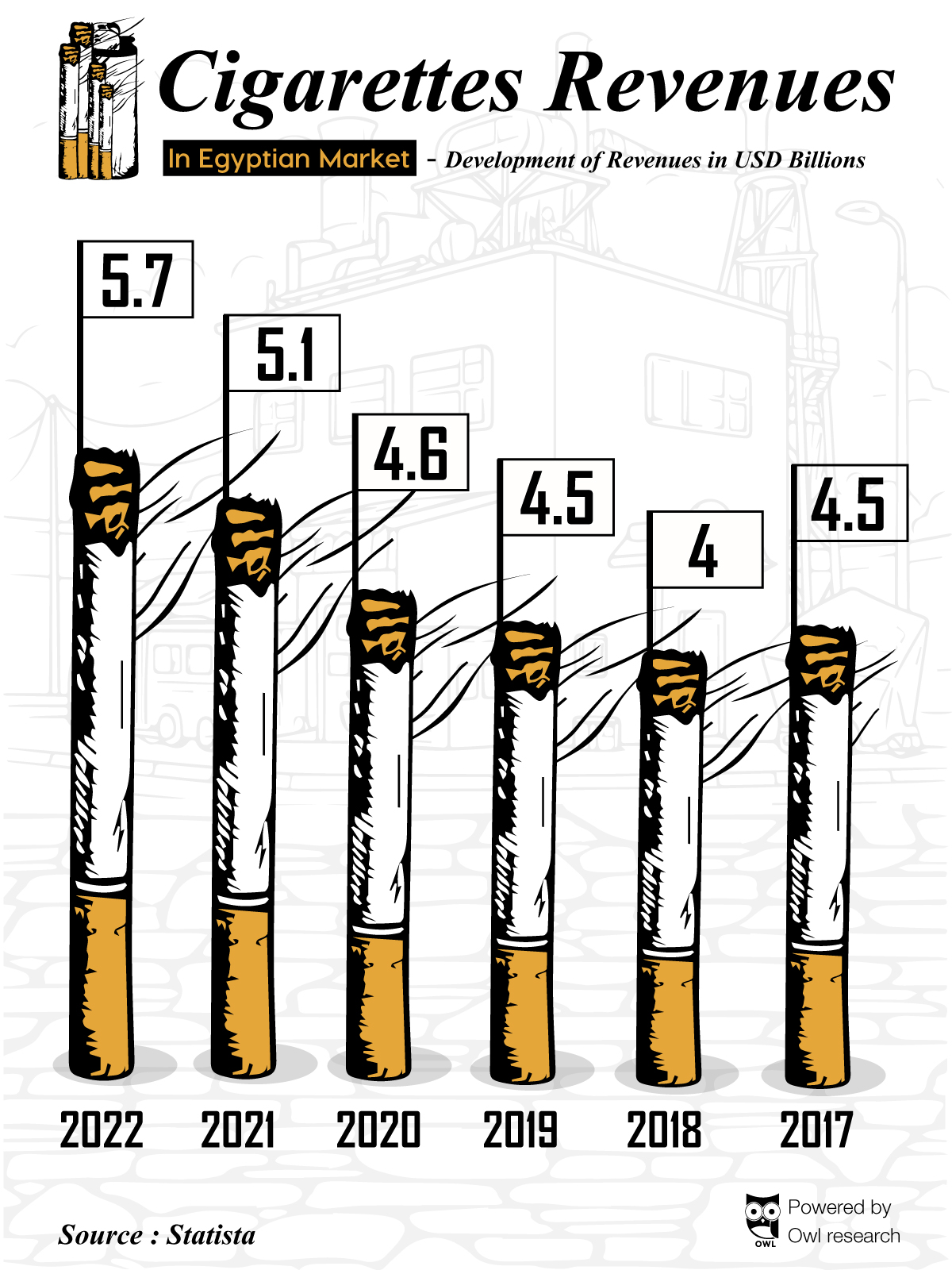
Cigarette smoking has emerged as a significant public health concern in Egypt, with far-reaching implications for the nation’s wellbeing. As the prevalence of tobacco use continues to rise, it is crucial to delve into the intricate landscape of this issue, examining its epidemiology, risk factors, health consequences, and the ongoing efforts to combat this growing epidemic. This comprehensive article aims to provide a holistic understanding of the cigarette consumption landscape in Egypt, drawing insights from the latest research and data to guide effective interventions and policy decisions.
Prevalence of Cigarette Smoking in Egypt
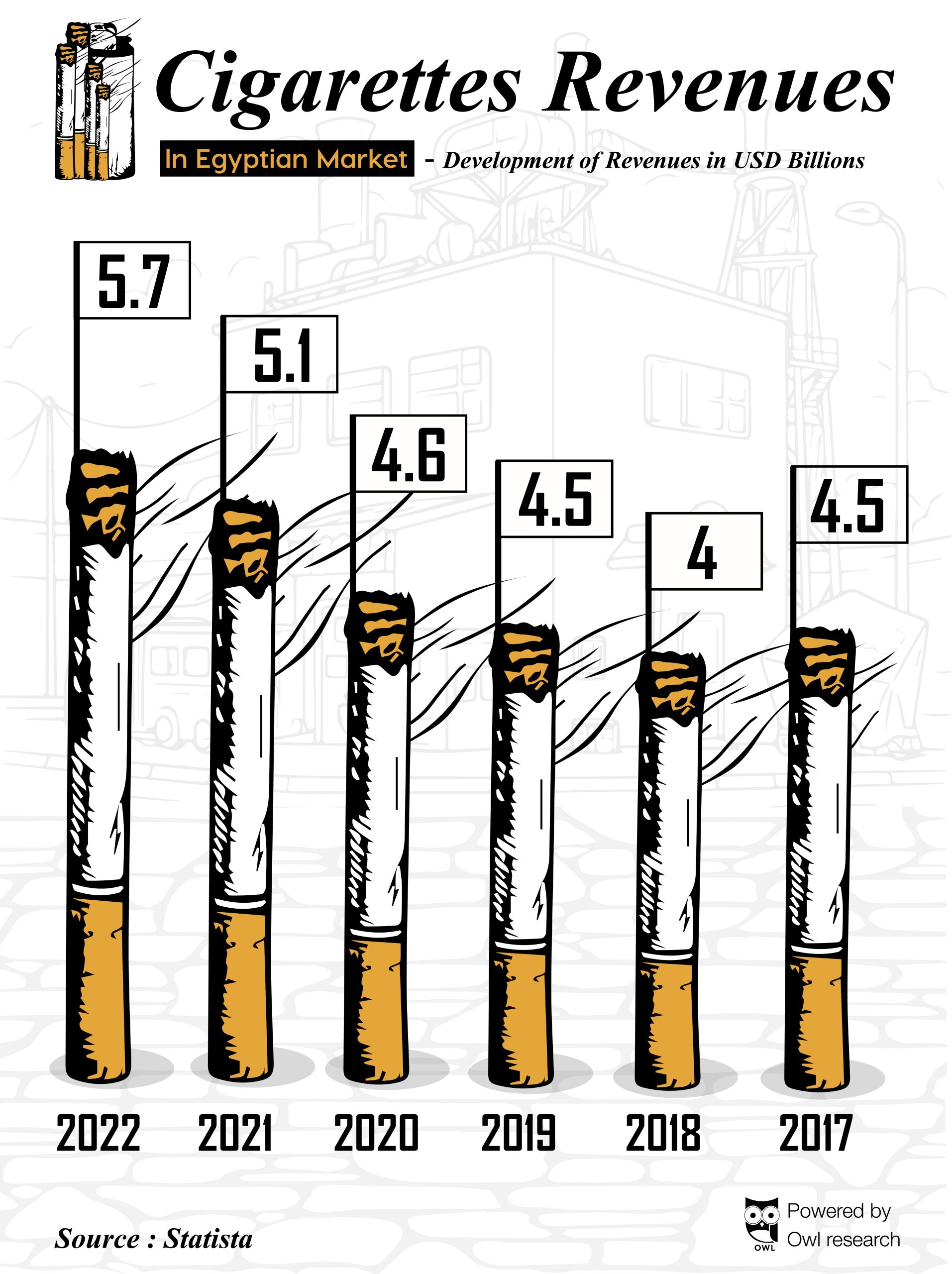
The most recent data from the World Health Organization (WHO) indicates that the prevalence of smoking in Egypt stood at 22% in 2010, with an estimated 11.5 million individuals engaged in this habit. Worryingly, this figure is on an upward trajectory, with the number of smokers projected to increase by 8% annually, despite the country’s overall population growth rate of just 2%. This alarming trend underscores the urgent need to address the underlying drivers and implement robust tobacco control measures.
Demographic Disparities in Smoking Patterns
A closer examination of the smoking landscape in Egypt reveals significant disparities across various demographic factors. Men are far more likely to be smokers, with a prevalence rate of 38.1%, compared to just 0.6% among women. This gender gap can be attributed to a confluence of sociocultural norms, targeted marketing strategies by the tobacco industry, and differential access to education and economic opportunities.
Furthermore, the prevalence of smoking tends to increase with age, with the highest rates observed among individuals in the 25-64 age group. Lower levels of education and employment status have also been identified as risk factors for tobacco use in the Egyptian population.
Diversifying Tobacco Consumption Trends
While cigarettes remain the dominant form of tobacco consumption in Egypt, the landscape is evolving, with the emergence of alternative tobacco products, such as waterpipe (shisha) and smokeless tobacco. Recent data suggests that approximately 3.3% of the Egyptian population, including 6.2% of males and 0.3% of females, engage in shisha smoking. This shift in consumption patterns underscores the need for a comprehensive understanding of the changing dynamics and the development of tailored interventions to address the diverse forms of tobacco use.
Risk Factors for Cigarette Smoking in Egypt
Identifying the key risk factors that contribute to the initiation and perpetuation of cigarette smoking in Egypt is crucial for designing effective prevention and cessation strategies. The available research has highlighted several significant determinants of tobacco use in the country.
Interpersonal Influences
One of the most prominent risk factors is the influence of family members and peers. Studies have consistently reported that having siblings, parents, or friends who smoke significantly increases the likelihood of an individual taking up the habit. This social contagion effect highlights the importance of addressing the broader social and cultural norms that normalize and perpetuate smoking behaviors.
Psychological and Behavioral Factors
Beyond the interpersonal realm, individual-level psychological and behavioral factors also play a pivotal role. Neuroticism, depression, and exposure to tobacco advertising have all been linked to a higher risk of cigarette smoking among Egyptians. The complex interplay between these intrinsic and extrinsic drivers underscores the need for multifaceted interventions that address both the individual and the environmental determinants of tobacco use.
Socioeconomic and Demographic Influences
Socioeconomic status and demographic characteristics also emerge as significant risk factors for cigarette smoking in Egypt. Individuals with lower levels of education and those employed in various occupations are more likely to be smokers. This disparity highlights the social inequities that shape tobacco use patterns and the importance of targeting vulnerable populations in tobacco control efforts.
Health Consequences of Cigarette Smoking in Egypt
The detrimental impact of cigarette smoking on individual and public health in Egypt is well-documented. The available research has identified a range of serious health complications associated with tobacco use in the country.
Cardiovascular Diseases
Cigarette smoking is a well-established risk factor for the development of cardiovascular disorders, such as atherosclerosis and hypertension. Studies have found a strong correlation between smoking and the prevalence of these conditions among the Egyptian population, underscoring the need for targeted interventions to address this link.
Respiratory Diseases
Chronic Obstructive Pulmonary Disease (COPD) is another significant health consequence of cigarette smoking in Egypt. Research has demonstrated a clear dose-response relationship between cumulative exposure to cigarette smoke and the frequency of COPD-related symptoms, highlighting the pivotal role of tobacco use in the burden of respiratory diseases.
Cancers
Cigarette smoking has also been linked to an increased risk of various types of cancer in the Egyptian context. Studies have identified strong associations between smoking and bladder, pancreatic, and urinary tract cancers, emphasizing the need for comprehensive cancer prevention strategies that prioritize tobacco control.
Reproductive and Sexual Health Implications
The impact of cigarette smoking extends beyond the cardiovascular and respiratory domains, with research also highlighting its detrimental effects on reproductive and sexual health. Smoking has been associated with an elevated risk of erectile dysfunction, spermatic malformation, and adverse pregnancy outcomes, such as preterm birth and intrauterine growth retardation.
Efforts to Combat Cigarette Smoking in Egypt
In response to the growing public health crisis posed by cigarette smoking, Egypt has implemented a range of measures to curb tobacco use and mitigate its consequences. These efforts, however, have faced various challenges and limitations, underscoring the need for a more comprehensive and sustained approach.
Legislative and Regulatory Initiatives
Egypt has enacted several laws and regulations aimed at tobacco control, including the establishment of smoke-free indoor spaces, restrictions on advertising and promotion, and the implementation of graphic health warnings on cigarette packaging. While these measures represent important steps, their enforcement and effectiveness have been hindered by various factors, such as the lack of dedicated resources and the persistent influence of the tobacco industry.
Health Education and Awareness Campaigns
Recognizing the importance of public education, Egypt has also invested in health education and awareness campaigns to inform the population about the dangers of cigarette smoking. These initiatives have leveraged various media platforms, including television, radio, and billboards, to disseminate anti-smoking messages. However, the reach and impact of these campaigns have been uneven, with a need for more targeted and sustained efforts to effectively engage different demographic segments.
Smoking Cessation Support
Efforts to provide smoking cessation support services have been relatively limited in Egypt. While some programs offering pharmacological and psychological interventions have been implemented, their availability and accessibility remain constrained. Strengthening the integration of smoking cessation services within the broader healthcare system and enhancing the capacity of healthcare professionals to deliver effective cessation counseling are crucial steps to bolster the country’s tobacco control efforts.
Challenges and Opportunities
The ongoing battle against cigarette smoking in Egypt faces several challenges, including the persistent influence of the tobacco industry, the limited enforcement of existing regulations, and the need for more comprehensive and coordinated approaches. However, the country also presents unique opportunities to leverage its strong religious and cultural traditions, as well as the growing public awareness and support for tobacco control, to drive meaningful and sustainable change.
Conclusion
Cigarette smoking in Egypt has emerged as a significant public health concern, with far-reaching implications for the nation’s wellbeing. The prevalence of smoking, driven by a complex interplay of social, psychological, and demographic factors, continues to rise, underscoring the urgent need for comprehensive and sustained interventions.
To effectively combat this growing epidemic, Egypt must adopt a multifaceted approach that addresses the diverse forms of tobacco consumption, targets the root causes of smoking initiation and perpetuation, and leverages the country’s cultural and religious assets to foster a smoke-free environment. By strengthening legislative and regulatory frameworks, enhancing public education and awareness, and expanding access to smoking cessation support, Egypt can pave the way for a healthier and more prosperous future, free from the devastating consequences of cigarette smoking.