Egypt Imports in 2022: Top Products & Trade Patterns
Key Figures & Overview
In 2022, Egypt imported a wide range of goods across many sectors. The country remains heavily reliant on imports for energy, raw materials, machinery, food, and pharmaceuticals. According to Global EDGE and other trade data, the top import categories help us understand both economic needs and vulnerabilities.
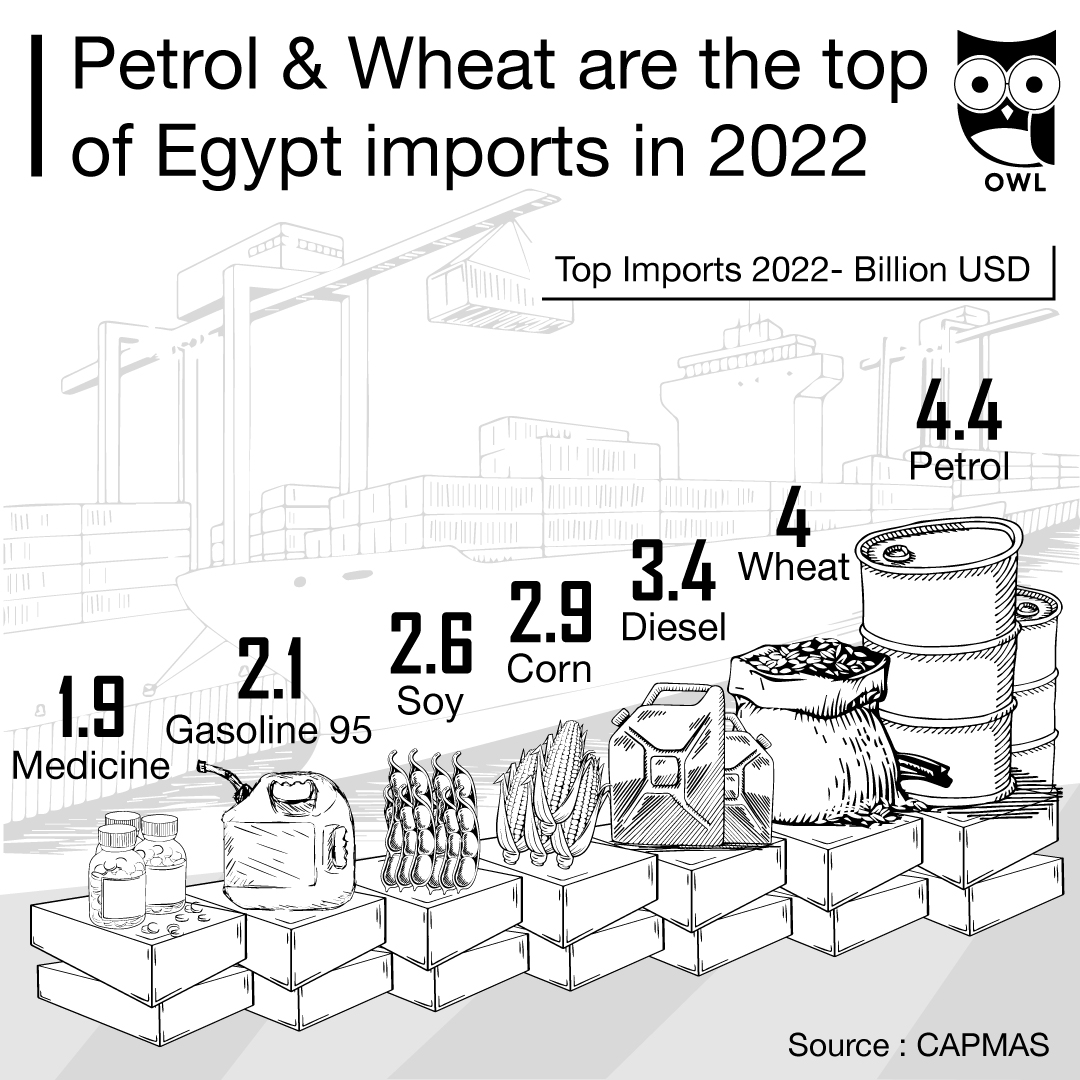
Major Trends & Insights
- Dependence on Energy Imports: Oil & mineral fuels remain the top import by value, underscoring Egypt’s exposure to global energy price swings. globalEDGE+1
- Fat Fueling Manufacturing: Significant imports of machinery, electrical equipment, steel, and plastics point to Egypt’s manufacturing sectors needing imported inputs. globalEDGE+1
- Food Security Pressure: With cereals among the top imports, especially wheat and corn, any disruptions (in global supply, price, or currency) affect food prices locally. globalEDGE+1
- Pharma and Health Imports: High import values in medicaments reflect ongoing reliance on imported health goods. Local manufacturing still limited in many pharma sub-fields. globalEDGE
Challenges & Risks
- Exchange Rate Volatility: Fluctuating EGP value can make imports more expensive, especially for energy, food, and essential raw goods.
- Global Price Inflation: Rising global energy, shipping, and raw material prices push import bills upward.
- Supply Chain Disruptions: Geopolitical issues, transport delays, post-pandemic disruptions especially affect sensitive goods.
- Trade Balance Strain: Large import bills in crucial categories like fuel, machinery, and food contribute to trade deficits.
Implications & What to Watch
- Domestic Production & Import Substitution: Encouraging local industries (machinery, steel, food processing) to reduce dependency on imports.
- Strategic Reserves & Procurement Policies: Governments may increase reserves of key imports (like wheat, fuel, medicines) to buffer against shocks.
- Diversification of Suppliers: Egypt could benefit from sourcing from more countries to reduce risk (e.g. non-traditional suppliers for cereals, machinery).
- Investment in Logistics & Standards: Lowering import costs via efficient trade logistics, ports, customs; ensuring imported goods meet quality to reduce waste.
Conclusion
In 2022, Egypt’s imports were dominated by mineral fuels, machinery, foodstuffs, vehicles, and pharmaceuticals. These reflect both structural economic needs and vulnerabilities—especially to global energy prices, food supply, and exchange rate shifts. For long-term resilience, boosting local manufacturing, ensuring diversified supply sources, and stabilizing macro-economic conditions will be essential.