Hotels in Egypt: Status, Growth & Insights
Current Overview & Figures
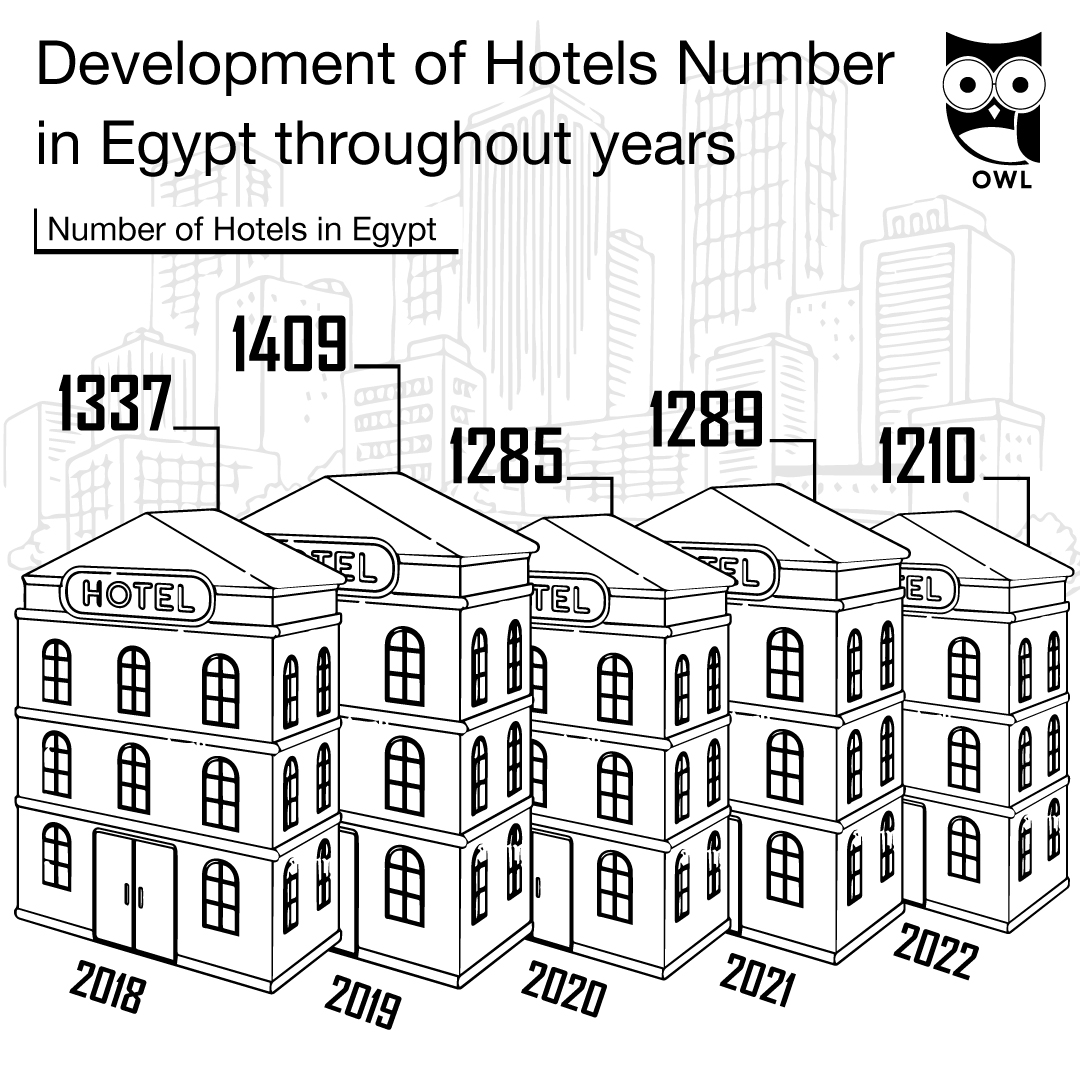
- As of 2022, Egypt had nearly 1,300 hotels operating, and forecasts expect this number to rise to about 1,700 hotels by 2027.
- There are currently 143 hotels with about 33,926 rooms in the development pipeline.
- Hotel occupancy has been rising, especially in popular resort zones like the Red Sea / Hurghada / Sharm El Sheikh, and also in cultural tourism hubs like Cairo, Luxor, and Aswan.
Key Trends Driving Hotel Sector
- Tourism Boom & Rebound Post-Pandemic
Tourism in Egypt has strongly rebounded. The surge in visitor arrivals is pushing for more hotel capacity and prompting new hotel projects. - High Demand & Occupancy Rates
Some regions are seeing occupancy rates above 75–90% during peak seasons. - Government Targets for Rooms & Capacity Expansion
The government aims to add tens of thousands of hotel rooms to meet projected demand. For example, to meet the tourism goals, Egypt says it needs ~250,000 more hotel rooms over the coming years. - New Developments Focused on Resorts, Coastal Zones, & Luxury
Many of the upcoming hotels are resort style, targeting coastal areas (Red Sea, North Coast), heritage and cultural tourism zones, luxury brands.
Challenges Facing Egypt’s Hotel Industry
- Hotel Rooms Shortage: Despite growth, there is a reported shortage of hotel rooms. To achieve the government’s tourism goals, a large number of rooms will need to be built.
- Uneven Geographic Distribution: Many hotels are concentrated in major tourist hubs, while lesser-known destinations have fewer facilities. This causes strain during peak seasons in popular places.
- Quality & Standards: Maintaining high service, safety, hygiene, and infrastructure standards is essential for positive tourist experiences, especially with increasing international visitors. Occasional incidents (e.g. safety issues in resort areas) add pressure.
- Seasonality: Many hotels are heavily season-dependent, with huge swings in demand. Off-season periods can be challenging for operations and revenue.
Implications & Opportunities
- Investment Potential: With the strong surge in tourism, there is significant opportunity for investors in hotel construction, upgrades, and luxury/resort segments.
- Job Creation and Economic Growth: Hotel development supports jobs and local businesses (suppliers, transport, food & beverage). As occupancy and numbers grow, there are multiplier effects.
- Diversifying Tourist Destinations: There is room (literally and figuratively) to spread luxury and mid-range hotel development to new locations, inland areas, or less developed coasts to relieve pressure from traditional hotspots.
- Policy Support Needed: Land access, infrastructure (roads, utilities), streamlined licensing, and incentives will be key to sustaining hotel growth.
Notable Hotels & Examples
- Fairmont Nile City (Cairo) — 531 rooms. A high-end hotel with multiple restaurants and luxury amenities.
- Cairo Marriott Hotel & Omar Khayyam Casino — 1,087 rooms. One of the landmark large hotels in Cairo.
- Winter Palace Hotel (Luxor) — Historic 5-star hotel with 86 rooms + 6 suites.
Outlook for the Coming Years
- Room Supply will grow, but maybe not fast enough in some regions unless investment accelerates.
- Luxury and Boutique Hotels will continue to be a strong niche, especially for tourists seeking unique experiences (heritage, views of Nile, upscale amenities).
- Smart Expansion: Hotels with sustainability practices, differentiated lodging (eco-lodges, thematic hotels), and integrated services will stand out.
- Government targets such as increasing rooms, improving hotel offerings, and ensuring revenue meets or surpasses pre-COVID levels are likely to drive policy and private sector activity.
📌 Conclusion
The hotel sector in Egypt is in a strong rebound mode. Growth in tourist arrivals, high occupancy in key areas, and pipeline projects all point to solid momentum. But there are gaps: room shortages, uneven spread, and seasonality remain challenging. For investors, policymakers, and hoteliers alike, balancing expansion with quality, distribution, and sustainable practices will be crucial.