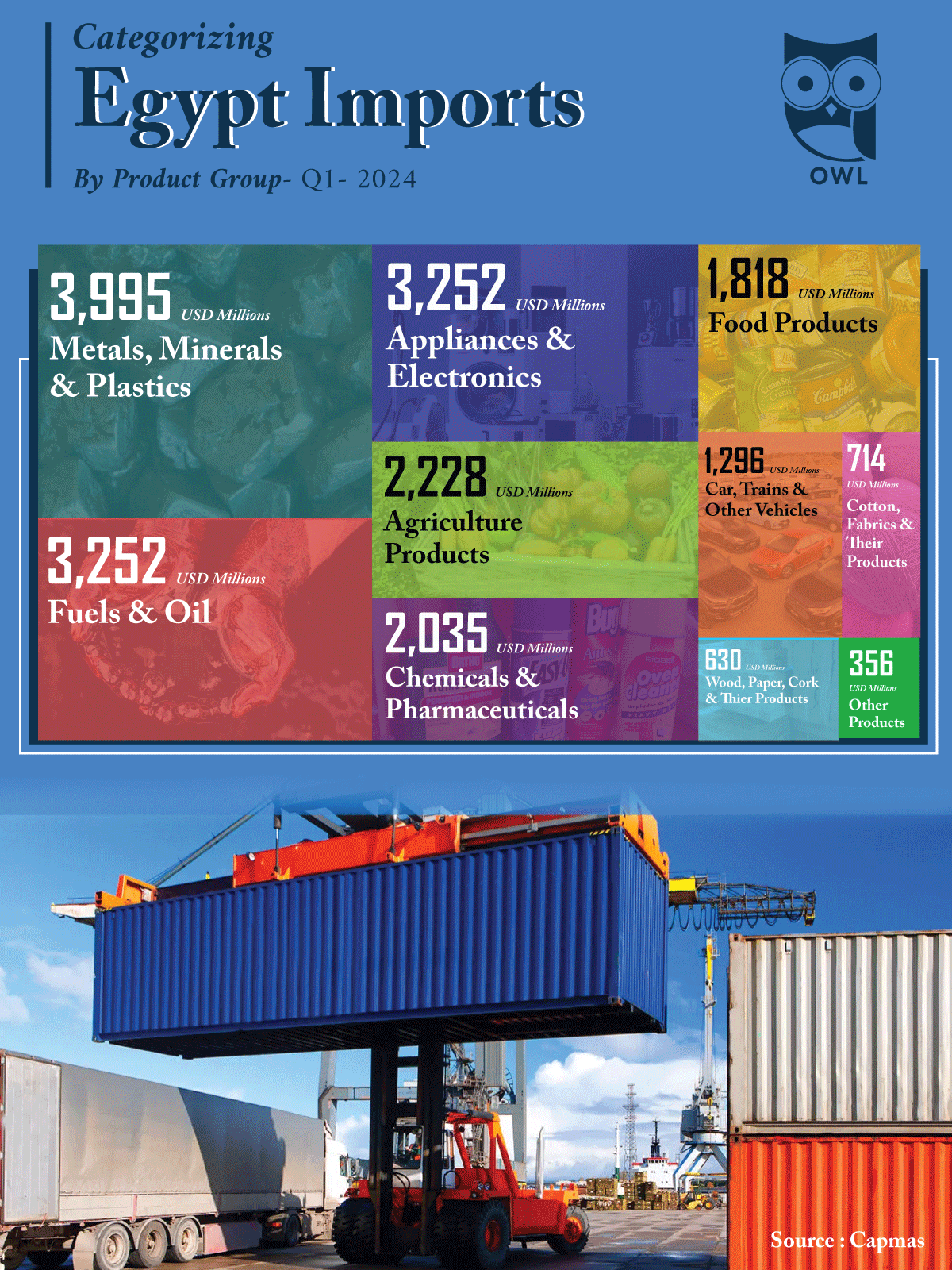
IntroductionEgypt, a pivotal player in the global trade arena, has witnessed a dynamic shift in its import landscape in recent years. As the country navigates the complexities of the modern economic landscape, understanding the nuances of its import trends has become increasingly crucial. In this comprehensive article, we delve into the latest data and insights surrounding Egypt’s imports, exploring the key drivers, emerging patterns, and potential implications for the nation’s economic future.
Snapshot of Egypt’s Import Profile
Egypt’s import profile reflects the diverse needs and demands of its growing economy. In 2022, the country’s total imports reached a staggering $95.7 billion, making it the 44th largest importer globally. This figure represents a significant increase from the previous year, underscoring the country’s continued reliance on foreign goods and services to fuel its development.
Top Import Categories
A closer examination of Egypt’s import composition reveals a diverse range of goods and commodities. The country’s top import categories include:
- Refined Petroleum: Accounting for $6.33 billion in imports, refined petroleum remains a critical component of Egypt’s energy needs, serving as a vital input for the nation’s industrial and transportation sectors.
- Wheat: With imports valued at $4.82 billion, wheat is a staple import for Egypt, reflecting the country’s efforts to ensure food security and meet the dietary requirements of its growing population.
- Crude Petroleum: Valued at $3.87 billion, crude petroleum imports play a pivotal role in Egypt’s energy landscape, serving as a raw material for the country’s refining industry.
- Petroleum Gas: Imports of petroleum gas, amounting to $2.39 billion, underscore the nation’s reliance on this energy source to power its industrial and residential sectors.
- Packaged Medicaments: Valued at $2.27 billion, imports of packaged medicaments highlight Egypt’s commitment to providing quality healthcare and accessing the latest pharmaceutical advancements.
Key Import Sources
Egypt’s import sources are diverse, reflecting its global trade connections. The top import partners include:
- China: With imports valued at $16.7 billion, China remains Egypt’s largest source of imported goods, supplying a wide range of manufactured products and raw materials.
- United States: The United States is the second-largest import partner, accounting for $6.61 billion in imports, primarily in the form of agricultural products, machinery, and technology.
- Saudi Arabia: Imports from Saudi Arabia, valued at $6.44 billion, predominantly comprise energy products, including crude oil and refined petroleum.
- United Arab Emirates: The United Arab Emirates is another significant import partner, with $5.53 billion in imports, largely consisting of refined petroleum, gold, and other high-value commodities.
- Turkey: Turkey’s imports to Egypt, valued at $4.71 billion, encompass a diverse range of goods, from textiles and machinery to agricultural products.
Evolving Import Trends
Egypt’s import landscape has undergone several notable transformations in recent years, reflecting the country’s shifting economic priorities and global trade dynamics.
Diversification of Import Sources
While traditional trading partners like China and the United States continue to dominate Egypt’s import portfolio, the country has actively sought to diversify its supply chains. This strategy has led to the emergence of new import hubs, such as the United Arab Emirates and Turkey, as Egypt aims to mitigate risks and enhance its bargaining power in the global marketplace.
Shift Towards Technology and Innovation
Egypt’s imports have increasingly focused on technology-driven products and innovative solutions. The growing demand for packaged medicaments, machinery, and other high-tech goods underscores the country’s efforts to modernize its industrial base and enhance its competitiveness in the global arena.
Emphasis on Food Security
The significant imports of wheat and other agricultural commodities highlight Egypt’s commitment to ensuring food security for its population. As the country grapples with the challenges of population growth and climate change, this focus on food imports is likely to remain a key priority in the years to come.
Implications and Future Outlook
The evolution of Egypt’s import landscape holds profound implications for the country’s economic development, trade relationships, and overall strategic positioning.
Strengthening Domestic Industries
The diversification of import sources and the shift towards technology-driven goods present opportunities for Egypt to strengthen its domestic industries. By leveraging these imported products and services, the country can enhance its manufacturing capabilities, foster innovation, and reduce its reliance on foreign-made goods.
Enhancing Trade Partnerships
Egypt’s efforts to diversify its import partners have the potential to deepen its trade relationships with emerging economies and regional powerhouses. This, in turn, could lead to the creation of new investment opportunities, the expansion of export markets, and the fostering of strategic alliances that can bolster Egypt’s economic resilience.
Addressing Food Security Challenges
The substantial wheat imports underscore the need for Egypt to address long-term food security challenges. This may involve investments in agricultural modernization, the development of sustainable farming practices, and the exploration of alternative food sources to reduce the country’s reliance on imported staples.
Conclusion
Egypt’s import landscape is a dynamic and multifaceted realm, reflecting the country’s economic ambitions, global trade connections, and evolving priorities. As the nation navigates the complexities of the 21st-century global economy, understanding these trends and their implications will be crucial in shaping its economic policies, strengthening its domestic industries, and positioning itself as a strategic player in the international trade arena. By embracing the opportunities presented by its evolving import landscape, Egypt can chart a course towards sustained economic growth and prosperity.