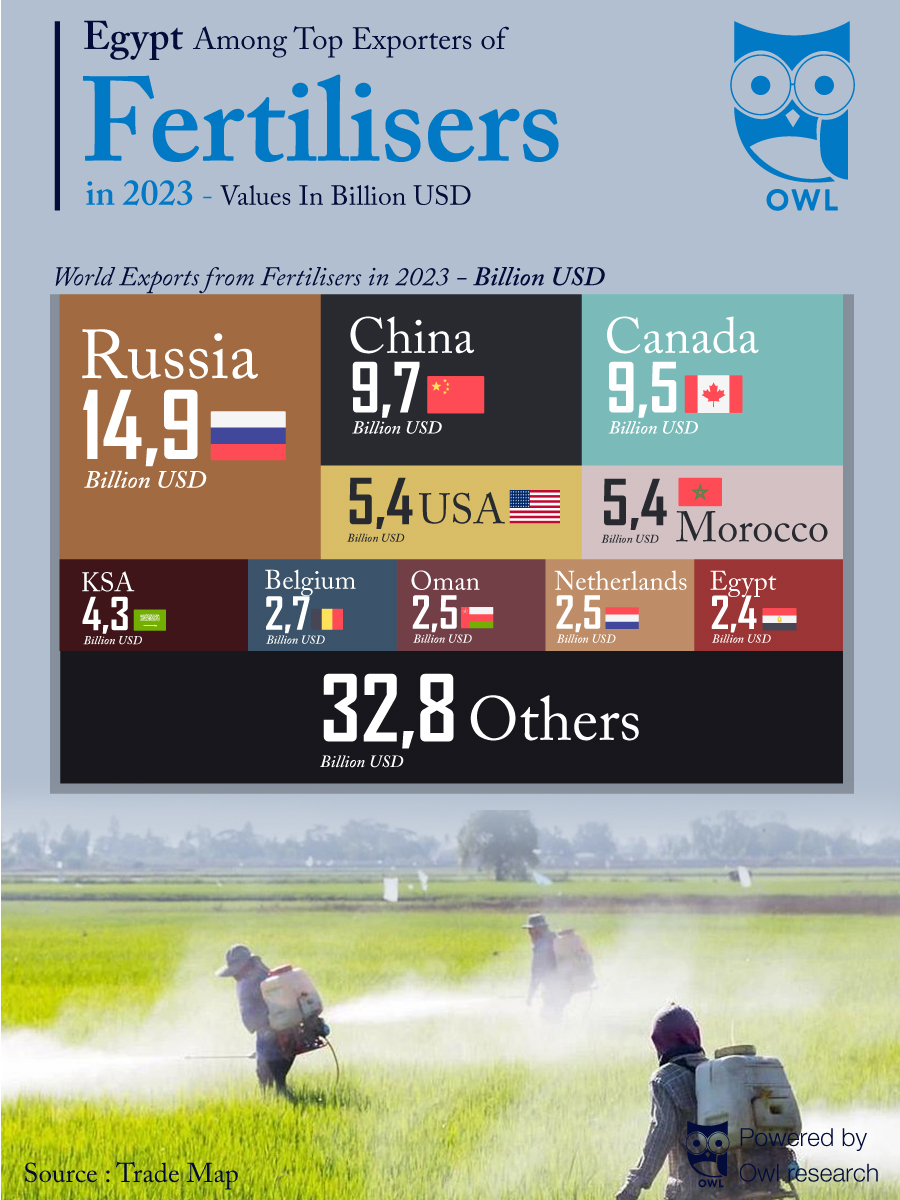
The global fertilizer market has been navigating a complex and ever-evolving landscape, characterized by a myriad of macroeconomic factors that continue to shape the industry’s trajectory. From supply chain disruptions and geopolitical tensions to fluctuating energy costs and changing consumer preferences, the industry faces a multitude of challenges that demand a strategic and adaptable approach. However, amidst this volatility, there lies a wealth of opportunities for savvy players who can leverage market insights, technological advancements, and sustainable practices to drive growth and profitability.
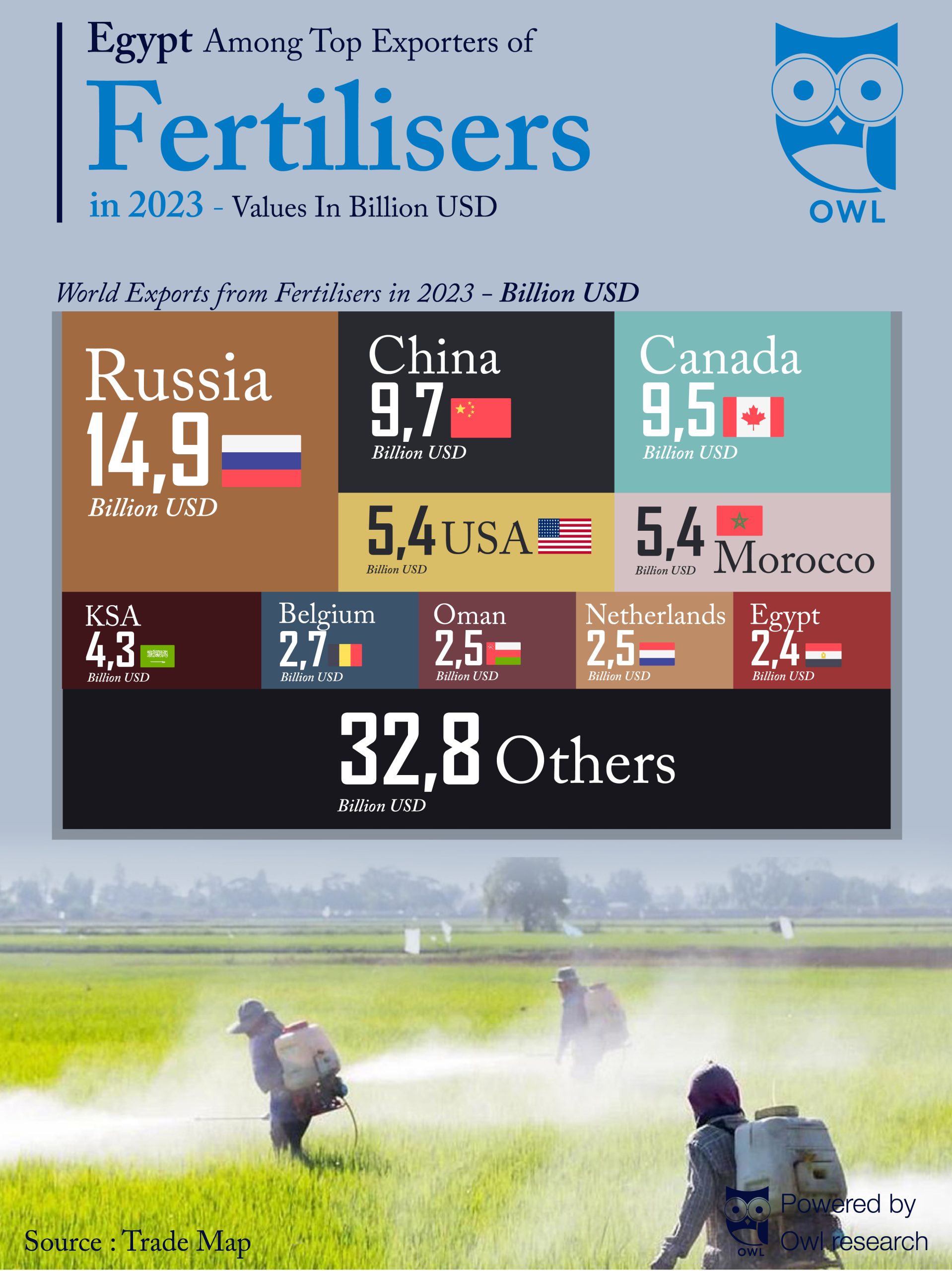
Key Facts and Figures: Sizing Up the Global Fertilizer Market
The global fertilizer market is a behemoth, with exports totaling a staggering 224 million tonnes in 2020. When factoring in trade in fertilizer intermediates such as ammonia, sulfur, and phosphate rock, the total volume reaches over 100 million additional tonnes. The demand for primary key fertilizers stood at a colossal 497 million tonnes in 2020, and the value of this demand has more than doubled in 2021, soaring from $115 billion to over $231 billion. This surge can be attributed to a confluence of factors, including the growing need for food security, capacity constraints, and the skyrocketing costs of energy.
Navigating the Complexities of Fertilizer Nutrient Dynamics
The fertilizer market can be broadly categorized into two main segments: organic and inorganic. Organic fertilizers are derived from natural sources, such as animal or plant matter, while inorganic, or synthetic, fertilizers are produced through artificial techniques. Within these broad categories, the fertilizer landscape is further diversified by the presence of various essential nutrients, each playing a crucial role in plant growth and development.
Nitrogen, phosphorus, and potassium (commonly referred to as the “NPK” trio) are considered the primary nutrients, with nitrogen-based fertilizers dominating the market in recent years. In 2021, nitrogen-content fertilizers accounted for a significant 78% of the total fertilizer sales, while phosphorus and potassium-based products claimed 22% and 15% shares, respectively. This trend is expected to continue, as the demand for nitrogen-rich fertilizers remains robust, driven by the need to enhance agricultural productivity and meet the growing global food demand.
Navigating the Fertilizer Value Chain: Opportunities and Challenges
The fertilizer value chain consists of several key components, each presenting its own set of opportunities and challenges. From the procurement of raw materials, such as sulfur, potassium salts, and hydrocarbon sources, to the manufacturing process and the distribution network, the industry faces a myriad of obstacles that require strategic planning and adaptability.
Raw material suppliers, for instance, may grapple with fluctuating prices and supply chain disruptions, while manufacturers must navigate the complexities of advanced engineering and technology to ensure efficient production. The distribution segment, in turn, requires significant investments in logistics and transportation to ensure the timely and cost-effective delivery of fertilizers to end-users.
Fertilizer Demand Dynamics: Opportunities in Developing Economies
The demand for fertilizers is intrinsically linked to the agricultural landscape, with developing countries emerging as a key driver of market growth. In countries like India, where agriculture is the backbone of the economy, with over 60% of the population dependent on it, the fertilizer industry plays a pivotal role in supporting food security and economic development.
As these developing nations strive to boost agricultural yields and feed their growing populations, the demand for fertilizers is expected to surge. Governments in these regions are actively supporting the industry through subsidies, policy initiatives, and investments in modern farming technologies, further fueling the market’s expansion.
Navigating the Competitive Landscape: Strategies for Success
The global fertilizer market is highly fragmented, with a large number of players vying for a share of the pie. This competitive landscape requires companies to adopt innovative strategies to gain a competitive edge, ranging from mergers and acquisitions to investments in research and development, and the integration of emerging technologies.
Industry leaders, such as CF Industries, Israel Chemicals Ltd., Nutrien Limited, and The Mosaic Company, are constantly exploring new avenues for growth, whether it’s through the acquisition of cutting-edge solutions providers or the introduction of fossil-free nitrogen fertilizers to cater to the growing demand for sustainable agricultural practices.
Embracing Technological Advancements: Precision Farming and Smart Fertilizers
The fertilizer industry is undergoing a digital transformation, with the integration of cutting-edge technologies like artificial intelligence (AI), data analytics, and sensor systems. The rise of precision farming, for instance, allows for the targeted application of fertilizers, optimizing nutrient delivery and minimizing waste, while “smart” fertilizers with controlled-release capabilities are enhancing efficiency and reducing environmental impact.
These technological breakthroughs are not only improving crop yields but also addressing the growing concerns around sustainable agriculture. As consumers become increasingly conscious of the environmental footprint of their food choices, the demand for eco-friendly fertilizer solutions is expected to rise, presenting lucrative opportunities for industry players who can adapt and innovate.
Navigating Regulatory Landscapes and Geopolitical Uncertainties
The fertilizer industry is subject to a complex web of regulations, as governments worldwide strive to ensure food security, environmental protection, and fair market practices. From subsidies and price controls to trade policies and environmental standards, the industry must navigate a constantly evolving regulatory landscape, which can significantly impact operations and profitability.
Moreover, geopolitical tensions and trade disputes can disrupt supply chains, leading to price volatility and uncertainty. The recent Russia-Ukraine conflict, for instance, has had a profound impact on the global fertilizer market, with supply shortages and soaring prices affecting farmers and food production worldwide.
Optimizing Profit Margins: Strategies for Mitigating Risks and Seizing Opportunities
Maintaining profitability in the fertilizer industry is a delicate balancing act, as companies must contend with fluctuating raw material costs, competitive pricing pressures, and the seasonal nature of demand. Effective risk management strategies, such as diversifying supply sources, leveraging technology for precision farming, and exploring alternative revenue streams, can help industry players navigate these challenges and optimize their profit margins.
Additionally, staying attuned to market trends and government policies can enable companies to anticipate and capitalize on emerging opportunities, whether it’s the growing demand for organic fertilizers or the potential for increased investments in sustainable agriculture initiatives.
Fostering Sustainable Practices: The Fertilizer Industry’s Role in Environmental Stewardship
As the world grapples with the pressing challenges of climate change and environmental degradation, the fertilizer industry has a crucial role to play in promoting sustainable practices and minimizing its ecological footprint. From the development of eco-friendly fertilizer formulations to the implementation of circular economy principles, industry leaders are increasingly recognizing the need to align their business strategies with the broader sustainability agenda.
By investing in research and innovation, collaborating with policymakers and environmental organizations, and empowering farmers to adopt sustainable farming techniques, the fertilizer industry can contribute to the global effort to safeguard the planet and ensure a food-secure future for generations to come.
Navigating the Future: Trends and Opportunities in the Fertilizer Market
As the fertilizer industry navigates an ever-evolving landscape, several key trends and opportunities are emerging that will shape the market’s trajectory in the years to come. The growing demand for organic and slow-release fertilizers, the integration of precision farming technologies, and the shift towards digitalization and data-driven decision-making are just a few of the developments that are poised to transform the industry.
Additionally, the rising emphasis on food security, the need for sustainable agricultural practices, and the potential for increased government support and investment in the sector present compelling opportunities for industry players who can adapt and innovate. By staying attuned to these trends and proactively addressing the challenges that lie ahead, the fertilizer industry can unlock new avenues for growth and solidify its position as a critical enabler of global food production.
Conclusion: Embracing Change, Driving Innovation
The global fertilizer market is at a pivotal juncture, facing a complex web of challenges and opportunities that require a strategic, adaptable, and forward-thinking approach. By leveraging market insights, technological advancements, and sustainable practices, industry players can navigate the dynamic landscape, mitigate risks, and unlock new growth opportunities.
As the world’s population continues to grow and the demand for food security intensifies, the fertilizer industry’s role in supporting agricultural productivity and environmental stewardship has never been more crucial. By embracing change, fostering innovation, and collaborating across the value chain, the industry can cement its position as a vital cornerstone of the global food system, contributing to a more sustainable and prosperous future for all.