Egypt continues to face a growing public health and urban management challenge linked to the increasing number of stray dogs across cities and residential areas. Beyond safety concerns, the issue is creating a significant economic burden on the healthcare system due to the rising costs of treating dog bite victims and providing anti-rabies vaccines.
According to official statements from Egypt’s Ministry of Health, the country records approximately 1.4 million dog bite cases annually, highlighting the scale of the problem and its impact on both public health and government spending.
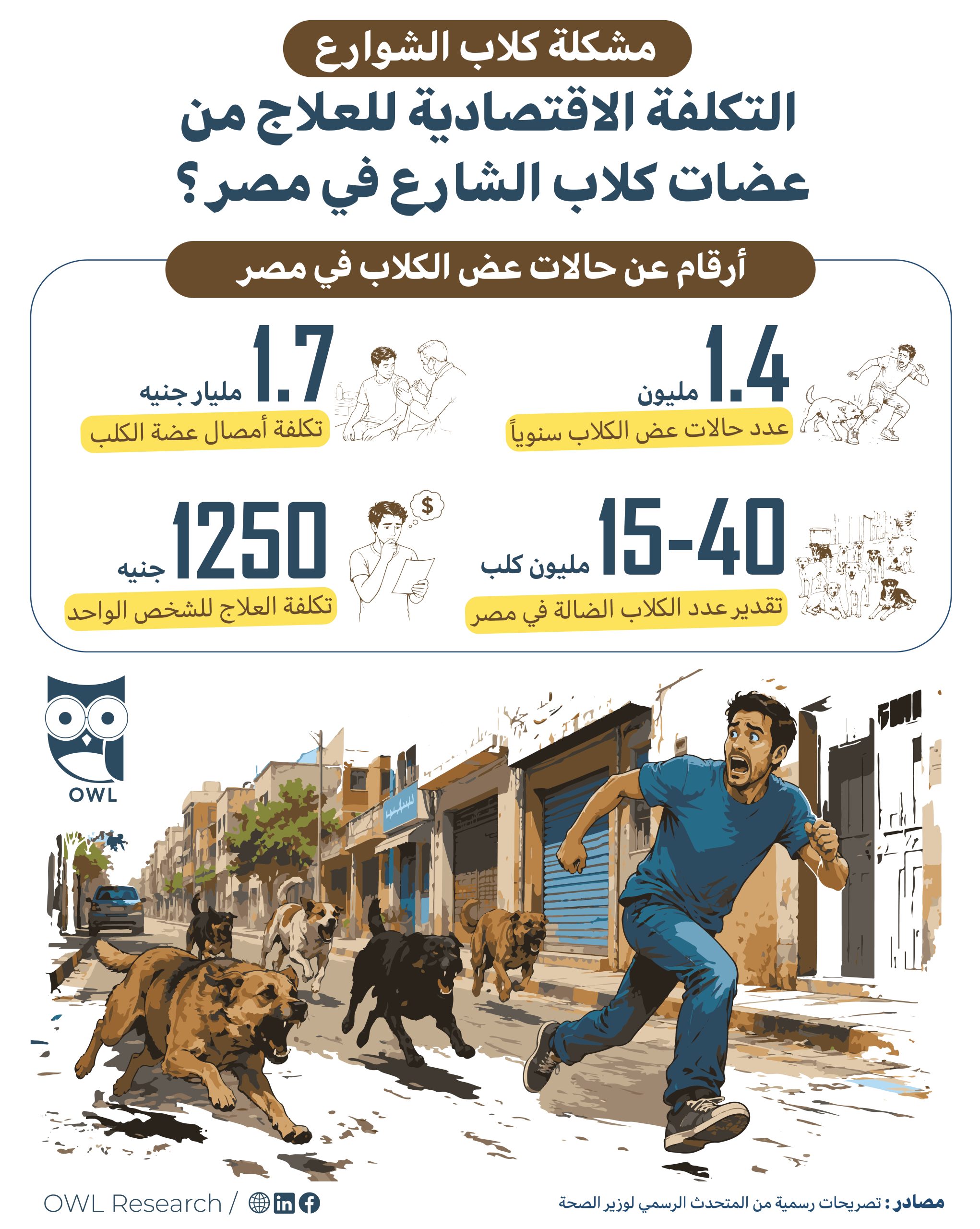
Key Figures Behind Egypt’s Dog Bite Crisis
Recent official estimates reveal:
- 1.4 million dog bite cases annually in Egypt
- EGP 1.7 billion spent on anti-rabies serum and treatment
- Around EGP 1,250 average treatment cost per patient
- Estimated stray dog population ranging between 15–40 million dogs nationwide
These numbers reflect not only a healthcare challenge, but also a broader social, economic, and urban infrastructure issue.
The Healthcare Burden
Dog bite treatment requires rapid medical intervention, especially because of the risk of rabies — one of the world’s deadliest viral diseases once symptoms appear.
The cost burden includes:
- Anti-rabies vaccines and serum
- Emergency medical care
- Hospital resources and staffing
- Public health monitoring and reporting
- Preventive vaccination programs
With millions of reported cases annually, healthcare spending on dog bite treatment has become a major recurring expense for the Egyptian government.
Why the Problem Is Growing
Several factors contribute to the increasing stray dog population in Egypt:
- Rapid urban expansion
- Poor waste management in some areas
- Availability of food sources in streets
- Lack of large-scale sterilization programs
- Insufficient animal shelter capacity
- Weak regulation around pet abandonment
In many densely populated urban neighborhoods, residents increasingly report safety concerns related to aggressive dog behavior, particularly involving children and elderly individuals.
Economic and Social Impact
The issue extends beyond healthcare costs. Stray dog proliferation can also affect:
- Public safety perceptions
- Tourism image in some areas
- Municipal spending
- Community tensions
- Animal welfare debates
At the same time, the issue remains highly sensitive due to ethical concerns surrounding animal rights and humane treatment policies.
Global Approaches to Stray Animal Management
Many countries facing similar challenges have adopted long-term strategies centered around:
- Mass sterilization campaigns
- Vaccination programs
- Animal shelters and adoption systems
- Waste management improvements
- Public awareness campaigns
- Registration and regulation of pet ownership
Experts generally view sustainable population control and vaccination programs as more effective long-term solutions than short-term removal campaigns.
The Need for a Balanced Solution
Egypt’s stray dog issue highlights the complex intersection between public health, urban planning, economics, and animal welfare. Any effective solution will likely require coordinated action between healthcare authorities, municipalities, veterinary services, civil society organizations, and local communities.
As the economic burden continues to rise, the challenge for policymakers will be balancing public safety with humane and sustainable animal management strategies.