Hacking Across the Globe: Trends, Threats, and Impact
Introduction
In today’s digital era, hacking has evolved from small-scale intrusions into one of the biggest global threats. Nations, corporations, and individuals are targets of increasingly sophisticated cyberattacks. From ransomware to state-sponsored espionage, hacking is no longer a niche issue but a worldwide security challenge.
1. Types of Hacking Seen Worldwide
- Ransomware Attacks
Criminal groups use malware to encrypt data and demand payment (often in cryptocurrency). These attacks have hit hospitals, schools, corporations, and even governments. - State-Sponsored Hacking
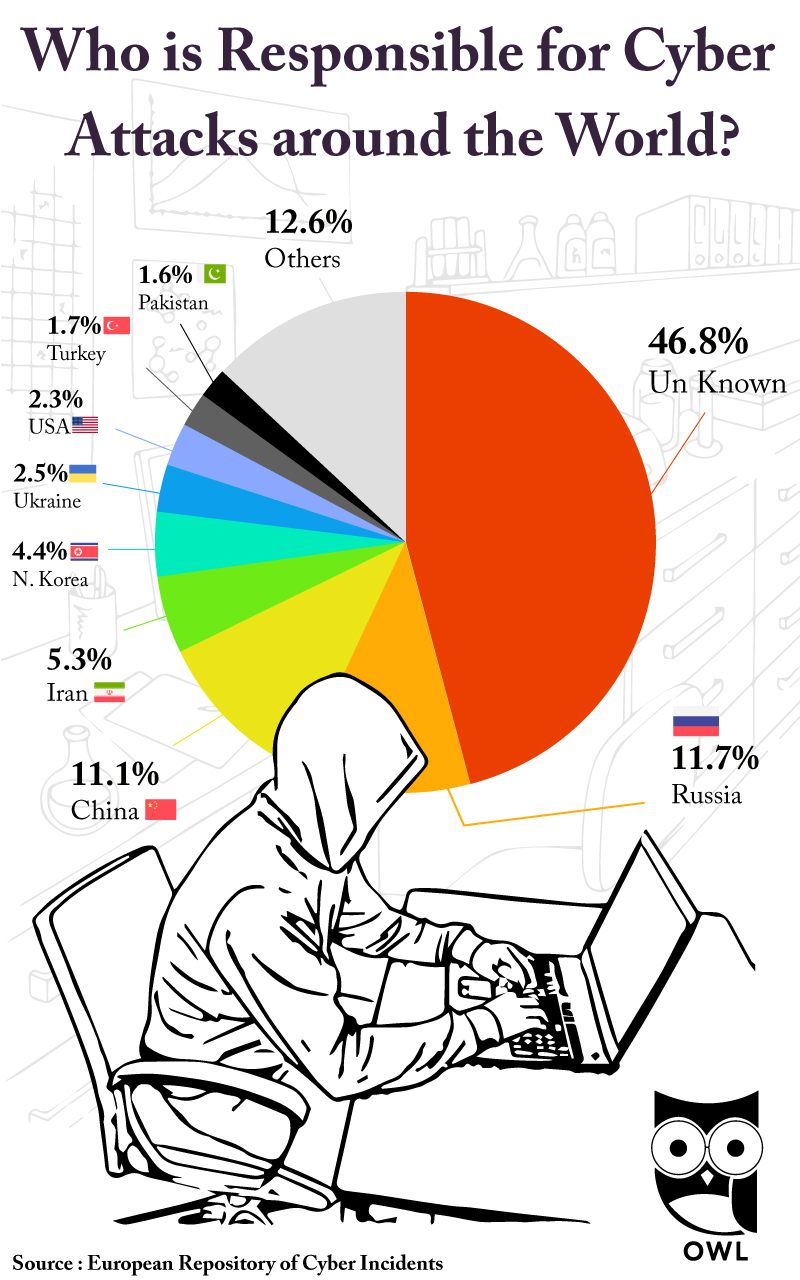
Governments are accused of running cyber units to steal sensitive data, disrupt infrastructure, or influence political outcomes. High-profile examples include alleged Russian, Chinese, Iranian, and North Korean cyber operations. - Hacktivism
Political or ideological groups conduct attacks to promote causes — from exposing government corruption to taking down corporate websites in protest. - Phishing & Social Engineering
The most common entry point: fraudulent emails or messages tricking users into revealing passwords or downloading malicious files. - Supply Chain Attacks
Hackers target third-party vendors or software providers to infiltrate entire networks (e.g., the SolarWinds breach).
2. Regional Trends
- North America & Europe: Frequent targets due to advanced economies. Ransomware groups often focus here because of the higher ability (and likelihood) to pay ransoms.
- Asia-Pacific: State-sponsored hacking is most intense, with cyber-espionage campaigns targeting intellectual property and government systems.
- Middle East & Africa: Rising cybercrime against banks, telecoms, and oil & gas infrastructure. Political hacktivism is also common.
- Latin America: Increasing ransomware and financial fraud attacks as digital adoption grows.
3. Biggest Cyberattacks in Recent Years
- Colonial Pipeline (2021, USA) – Ransomware disrupted fuel supply across the East Coast.
- WannaCry (2017, Global) – Malware spread across 150+ countries, crippling hospitals and businesses.
- SolarWinds Breach (2020, USA & Global) – State-linked hackers infiltrated software updates, affecting thousands of organizations.
- Ukraine Cyberattacks (2015–2022) – Power grid shutdowns and wartime cyber campaigns show hacking as part of modern warfare.
4. Economic & Social Impact
- Cost: Cybercrime is projected to cost the world over $10 trillion annually by 2025.
- Trust: Repeated hacks undermine consumer trust in digital services, banking, and e-commerce.
- Geopolitics: Cyberattacks are now considered acts of hybrid warfare, alongside traditional military operations.
- Everyday Life: Attacks on hospitals, utilities, and schools show how hacking can directly affect citizens.
5. Defense & Response
- Governments: Countries are investing in national cybersecurity agencies (e.g., US Cyber Command, EU ENISA).
- Businesses: More investment in cloud security, AI-driven detection, and employee training.
- Individuals: Cyber hygiene — strong passwords, two-factor authentication, cautious clicking — remains the first line of defense.
- Global Cooperation: International treaties and agreements are being discussed but global consensus remains difficult due to conflicting interests.
Conclusion
Hacking has become a globalized weapon — used by criminals for profit, states for power, and activists for causes. Its growth reflects the world’s reliance on digital systems, making cybersecurity a shared global priority. The future of hacking will likely bring more AI-driven attacks, critical infrastructure threats, and cyber-warfare tactics — but also smarter defenses and stronger regulations.