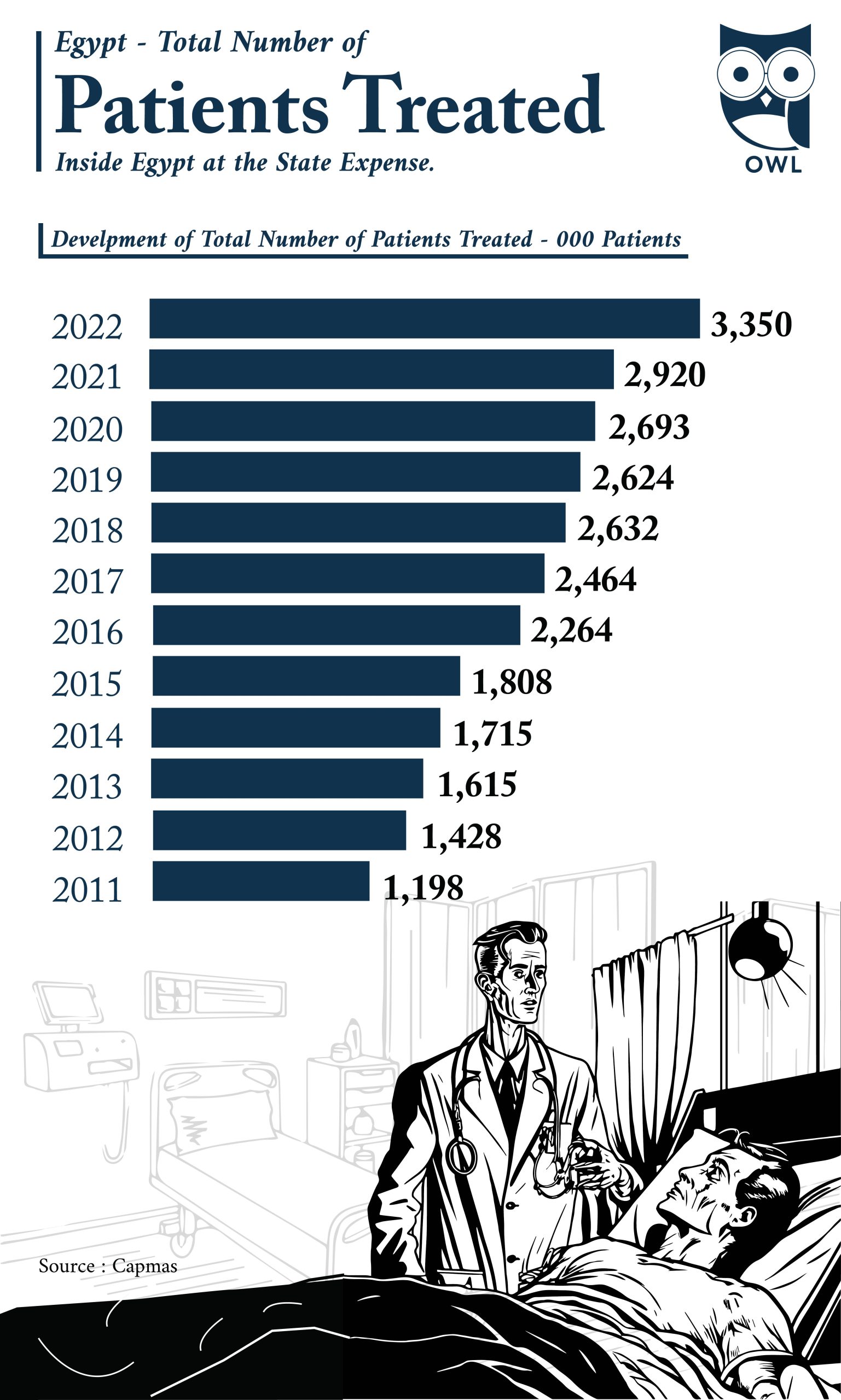
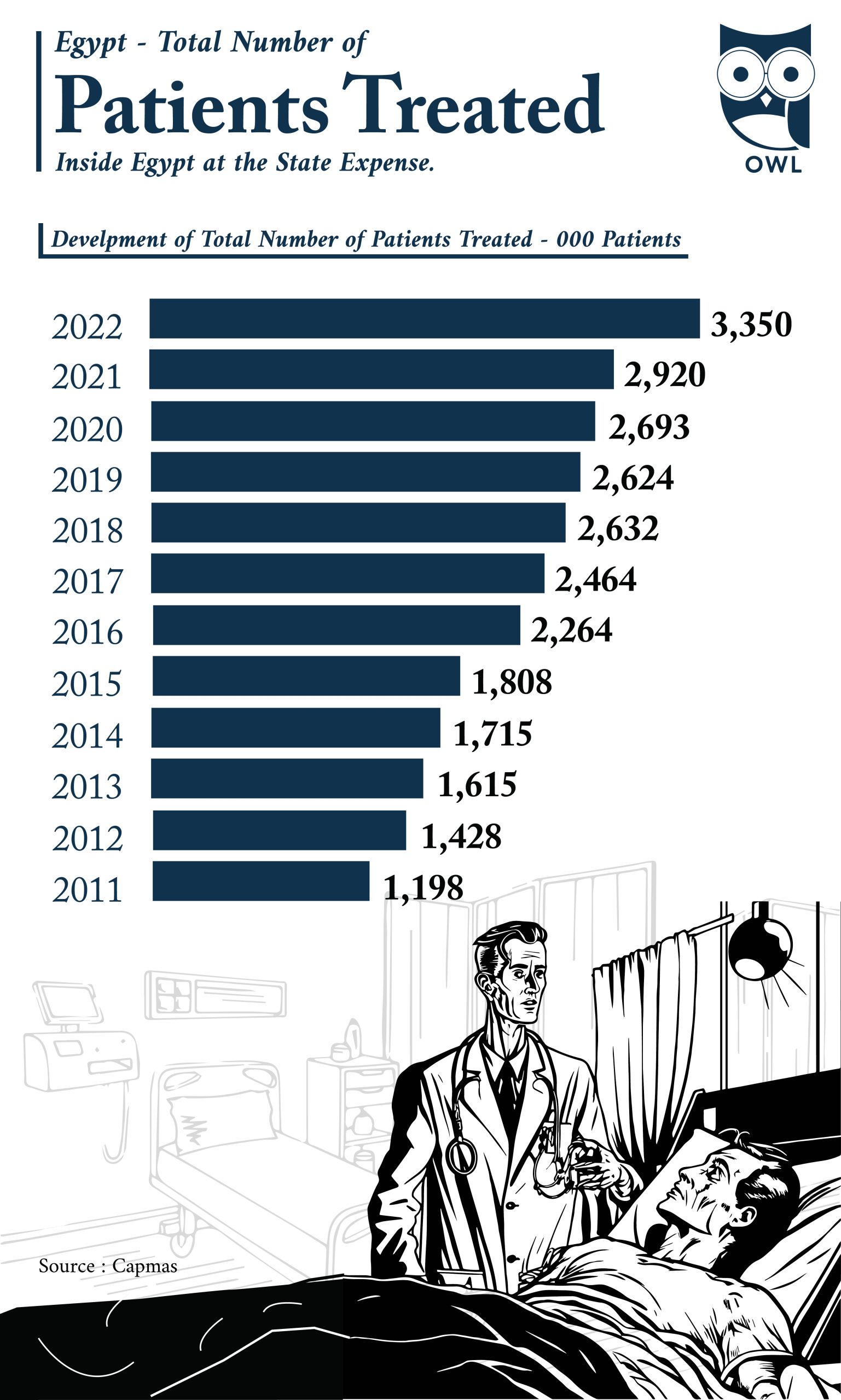
Egypt’s healthcare system has undergone a remarkable transformation in recent years, driven by strategic partnerships, targeted investments, and a renewed focus on improving accessibility and quality of care. As the country navigates the evolving healthcare landscape, it has emerged as a regional leader, leveraging its unique position to forge strong economic ties and drive collaborative initiatives with its neighbors.
Egypt-Saudi Arabia Healthcare Collaboration
At the heart of Egypt’s healthcare progress lies its close economic cooperation with Saudi Arabia. The Kingdom has emerged as a key investor, with Saudi investments in Egypt reaching a staggering $32 billion. This strategic partnership has paved the way for the exchange of knowledge, expertise, and resources, enabling both nations to address pressing healthcare challenges and enhance their respective systems.
Strengthening Ties through Planning and Development
The planning ministries of Egypt and Saudi Arabia have forged a deep collaborative bond, aligning their visions and strategies to drive the healthcare agenda forward. Ahmed Kamali, Egypt’s Deputy Minister of Planning and Economic Development, has emphasized the importance of this partnership, stating, “We look forward to greater partnership and cooperation in trade and investment between the two countries.” This sentiment is echoed by Saudi Assistant Minister of Economy and Planning, Suleiman Al-Obaid, who has underscored the “historical and strategic relations” between Riyadh and Cairo.
Unlocking Investment Opportunities
The robust economic ties between Egypt and Saudi Arabia have translated into significant investment opportunities within the healthcare sector. In the first half of the 2022/2023 fiscal year, Saudi Arabia emerged as the top investor in Egypt, with investments reaching $2.1 billion. This influx of capital has enabled the expansion of healthcare infrastructure, the modernization of medical facilities, and the implementation of cutting-edge technologies to enhance patient outcomes.
Egypt’s Vision 2030 and Healthcare Priorities
Egypt’s ambitious Vision 2030 has placed a strong emphasis on the development of the healthcare sector, recognizing it as a crucial pillar of the country’s sustainable growth and prosperity. This comprehensive plan outlines a roadmap for transforming the healthcare landscape, addressing key priorities such as universal health coverage, technological advancements, and the enhancement of medical education and training.
Achieving Universal Health Coverage
One of the primary goals of Egypt’s Vision 2030 is to achieve universal health coverage, ensuring that all citizens have access to quality healthcare services. This ambitious initiative involves the expansion of insurance schemes, the improvement of primary care facilities, and the strengthening of the referral system to provide seamless and comprehensive care.
Embracing Technological Innovation
The healthcare sector in Egypt has been at the forefront of technological innovation, with the government actively investing in cutting-edge solutions to enhance patient care and improve overall system efficiency. From telemedicine and digital health records to the integration of artificial intelligence and data analytics, these advancements are transforming the way healthcare is delivered in the country.
Enhancing Medical Education and Training
Recognizing the critical role of healthcare professionals in delivering high-quality care, Egypt’s Vision 2030 also emphasizes the importance of strengthening medical education and training programs. This includes the development of specialized training curricula, the establishment of advanced simulation centers, and the fostering of collaborative partnerships with international institutions to share best practices and expertise.
Overcoming Challenges and Building Resilience
While Egypt’s healthcare sector has made significant strides, the country has also faced its fair share of challenges, ranging from infrastructure limitations to the impact of the COVID-19 pandemic. However, the government’s proactive approach and the unwavering commitment of healthcare professionals have enabled the system to adapt and build resilience.
Addressing Infrastructure Gaps
One of the key challenges facing Egypt’s healthcare system has been the need to address infrastructure gaps, particularly in rural and underserved areas. The government has responded by investing in the construction of new hospitals, the modernization of existing facilities, and the expansion of primary care networks to ensure equitable access to healthcare services.
Navigating the COVID-19 Pandemic
The COVID-19 pandemic posed a significant test for Egypt’s healthcare system, as it did for healthcare systems worldwide. However, the country’s swift and coordinated response, along with the dedication of its healthcare workers, enabled it to effectively manage the crisis and mitigate its impact on the population.
Building a Resilient Healthcare System
Lessons learned from the pandemic have prompted Egypt to strengthen the resilience of its healthcare system. This includes enhancing emergency preparedness, stockpiling essential medical supplies, and fostering collaborative networks with regional and international partners to share knowledge and resources during times of crisis.
Conclusion
Egypt’s healthcare landscape has undergone a remarkable transformation, driven by strategic partnerships, targeted investments, and a steadfast commitment to improving the well-being of its citizens. As the country continues to navigate the evolving healthcare landscape, it remains poised to emerge as a regional leader, leveraging its unique position and strong economic ties to drive collaborative initiatives and unlock new opportunities for growth and development.