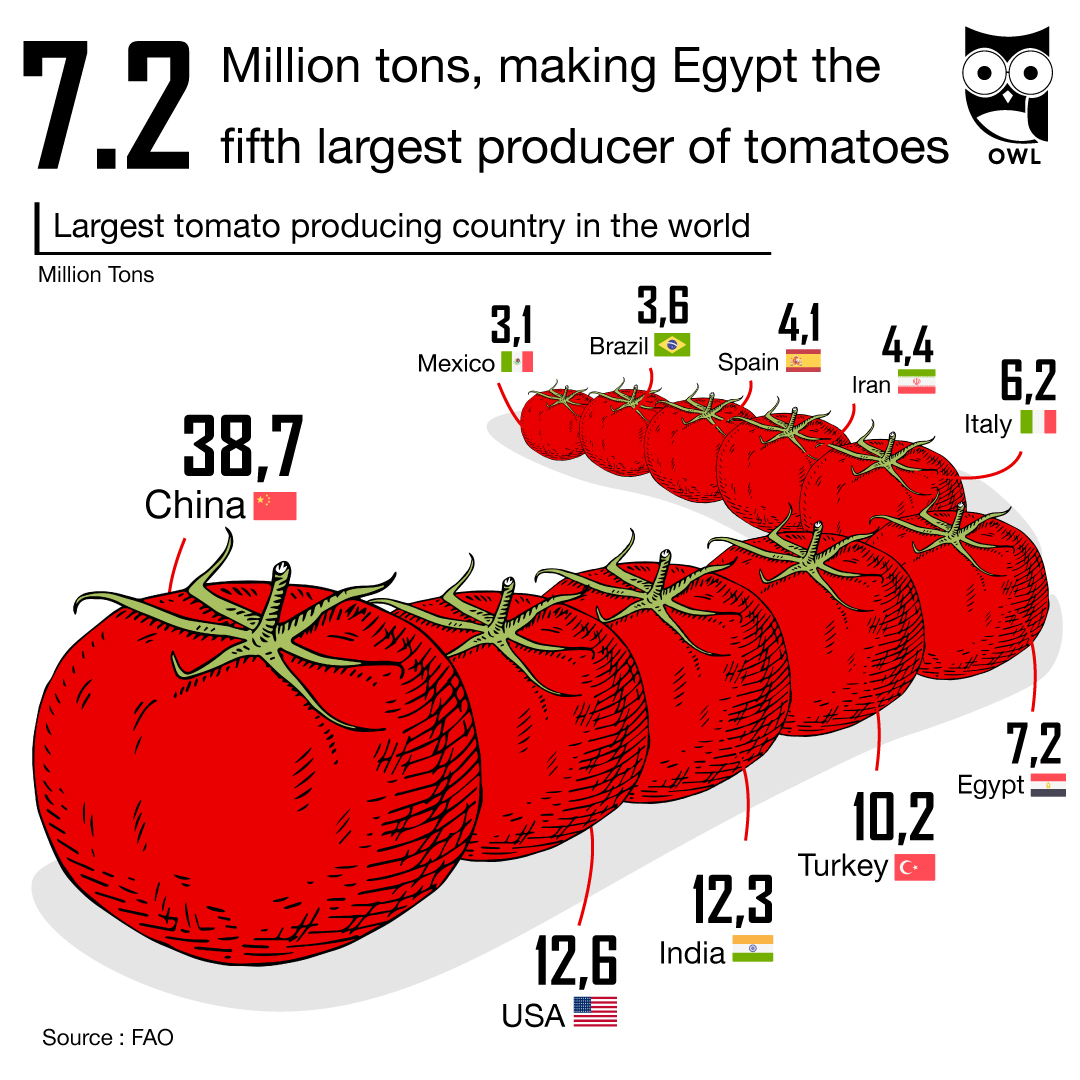
The global tomato trade has long been a vibrant and dynamic landscape, with nations vying for a share of this lucrative market. As a staple ingredient in cuisines worldwide, tomatoes have become an integral part of the international food supply chain. In this comprehensive article, we delve into the intricate world of tomato exports, uncovering the leading players, their market shares, and the trends shaping this thriving industry.
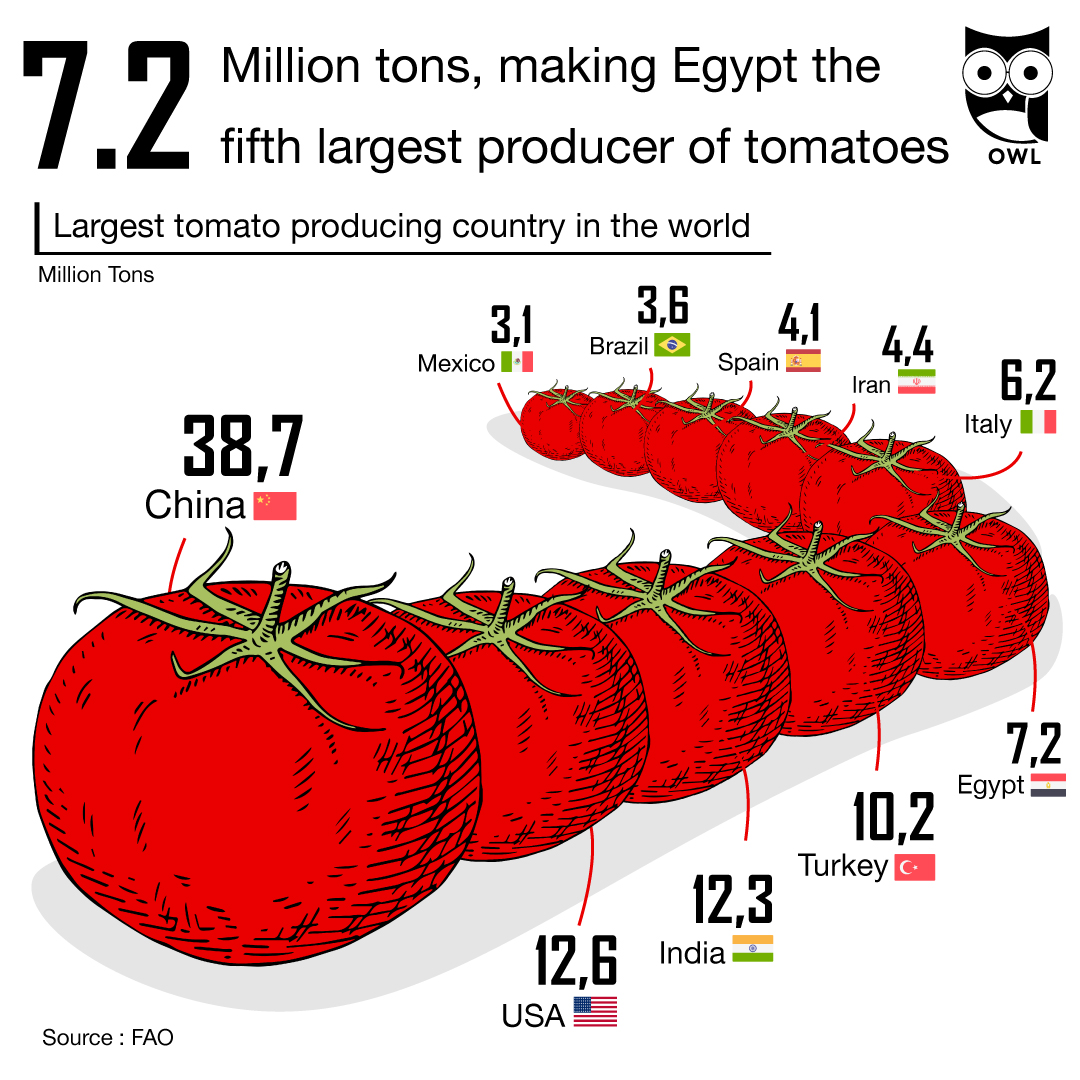
The Rise of Tomato Exporting Powerhouses
The global tomato export market has witnessed remarkable growth in recent years, with the overall value of shipped tomatoes surging by an average of 23.5% over the past five years. At the forefront of this expansion are a select group of nations that have solidified their positions as the world’s foremost tomato exporters.
Mexico: The Reigning Tomato Exporter
Topping the list is the perennial champion, Mexico, which accounted for a staggering 26.3% of the world’s tomato exports in 2023. This Latin American powerhouse has consistently maintained its dominance, leveraging its favorable climate, robust agricultural infrastructure, and strategic geographical location to fulfill the global demand for fresh and flavorful tomatoes.
The European Heavyweights
Europe has emerged as a formidable force in the tomato export arena, with the Netherlands, Spain, and France leading the charge. The Netherlands, in particular, has carved out a significant niche, capturing 16.6% of the global market share, thanks to its advanced greenhouse technology and efficient distribution networks. Spain and France have also maintained their stronghold, contributing 10.2% and 6.9% of worldwide tomato exports, respectively.
Moroccan Ascendance
Joining the ranks of the top tomato exporters is Morocco, which has steadily climbed the ladder to claim a 9.9% share of the global market. This North African nation’s strategic location, favorable climate, and investment in modern agricultural practices have enabled it to emerge as a rising star in the international tomato trade.
Geographical Diversification of Tomato Exports
The global tomato export landscape extends far beyond the traditional powerhouses, with a diverse array of nations contributing to the overall supply. While Europe and North America continue to dominate the scene, significant contributions also come from Africa, Asia, and Latin America.
The Expanding African Footprint
Africa has witnessed a surge in its tomato export capabilities, with countries like Morocco, Tunisia, and Egypt carving out their own niches. Morocco’s 9.9% share of global exports underscores the continent’s growing prominence in the tomato trade, driven by investments in infrastructure, technological advancements, and the exploitation of favorable climatic conditions.
The Asian Contingent
The Asian continent, though relatively smaller players in the global tomato export market, have also made their mark. Turkey, with a 4.6% share, and China, contributing 1.7%, have demonstrated their ability to capitalize on regional demand and leverage their domestic production capabilities to expand their international footprint.
Latin American Participation
While Mexico’s dominance overshadows the rest of Latin America, other nations in the region have also made inroads into the global tomato export landscape. Countries like Canada, the United States, and Guatemala have carved out their own shares, highlighting the diverse geographic representation in this thriving industry.
Tomato Trade Dynamics: Surpluses and Deficits
The global tomato trade is characterized by a complex interplay of supply and demand, with some nations emerging as net exporters and others facing significant deficits. Understanding these trade dynamics is crucial in navigating the intricate web of international tomato commerce.
Net Exporting Powerhouses
Mexico, the Netherlands, Morocco, Spain, and Turkey stand out as the world’s leading net exporters of tomatoes, generating substantial trade surpluses that underscore their competitive advantages in this sector. These nations have effectively leveraged their production capabilities, logistical efficiencies, and strategic market positioning to capitalize on the global demand for their tomato exports.
Deficit-Ridden Importers
Conversely, the United States, Germany, the United Kingdom, Poland, and France are among the nations that face significant trade deficits in tomatoes. These countries’ domestic production falls short of meeting their consumer demand, necessitating substantial import volumes to satisfy their populations’ appetite for this versatile vegetable.
Prominent Tomato Exporting Companies
The global tomato trade is not just a game of national-level players; it also features a diverse array of prominent corporate entities that have carved out their own niches in the international marketplace. These companies leverage their production capabilities, distribution networks, and brand recognition to drive the flow of tomatoes across borders.
Industry Giants
Household names like California Tomato Export Group, Campbell Soup Company, COFCO Group, ConAgra Foods, and Heinz have established themselves as formidable players in the global tomato export landscape. These multinational corporations leverage their scale, technological prowess, and marketing expertise to cater to the evolving preferences of consumers worldwide.
Regional Powerhouses
Alongside the global giants, regional players such as Conserve Italia (Italy), Empresas Carozzi (Chile), Kagome Co., Ltd. (Japan), and Xinjiang Chalkis Co. Ltd (China) have also carved out their own spheres of influence. These companies have harnessed their intimate knowledge of local markets and production capabilities to carve out a competitive edge in their respective regions.
Emerging Trends and Future Outlook
The global tomato export industry is a dynamic and rapidly evolving landscape, shaped by a multitude of factors, including changing consumer preferences, technological advancements, and shifting trade dynamics.
Sustainability and Traceability
As consumers become increasingly conscious of the environmental and social impact of their food choices, the demand for sustainable and traceable tomato products has surged. Leading exporters are responding by investing in eco-friendly farming practices, implementing robust supply chain traceability systems, and showcasing their commitment to responsible production.
Product Diversification
The tomato export market is no longer confined to the traditional fresh and canned varieties. Exporters are diversifying their product portfolios, introducing value-added items such as tomato sauces, pastes, and even tomato-based beverages to cater to the evolving preferences of global consumers.
Technological Innovations
The tomato export industry is embracing technological advancements to enhance productivity, improve quality, and streamline logistics. From precision farming techniques to advanced post-harvest processing methods, exporters are leveraging cutting-edge technologies to maintain their competitive edge in the global marketplace.
Conclusion
The global tomato export industry is a dynamic and multifaceted landscape, with a diverse array of nations and companies vying for a share of this lucrative market. As the world’s appetite for this versatile vegetable continues to grow, the leading tomato exporting powerhouses have demonstrated their ability to adapt, innovate, and capitalize on emerging trends.
Looking ahead, the future of the global tomato trade promises to be an exciting and ever-evolving story, with new players emerging, established exporters solidifying their positions, and technological advancements reshaping the industry’s landscape. By closely monitoring these developments and staying attuned to the evolving needs of global consumers, tomato exporting nations and companies can position themselves for continued success in the years to come.