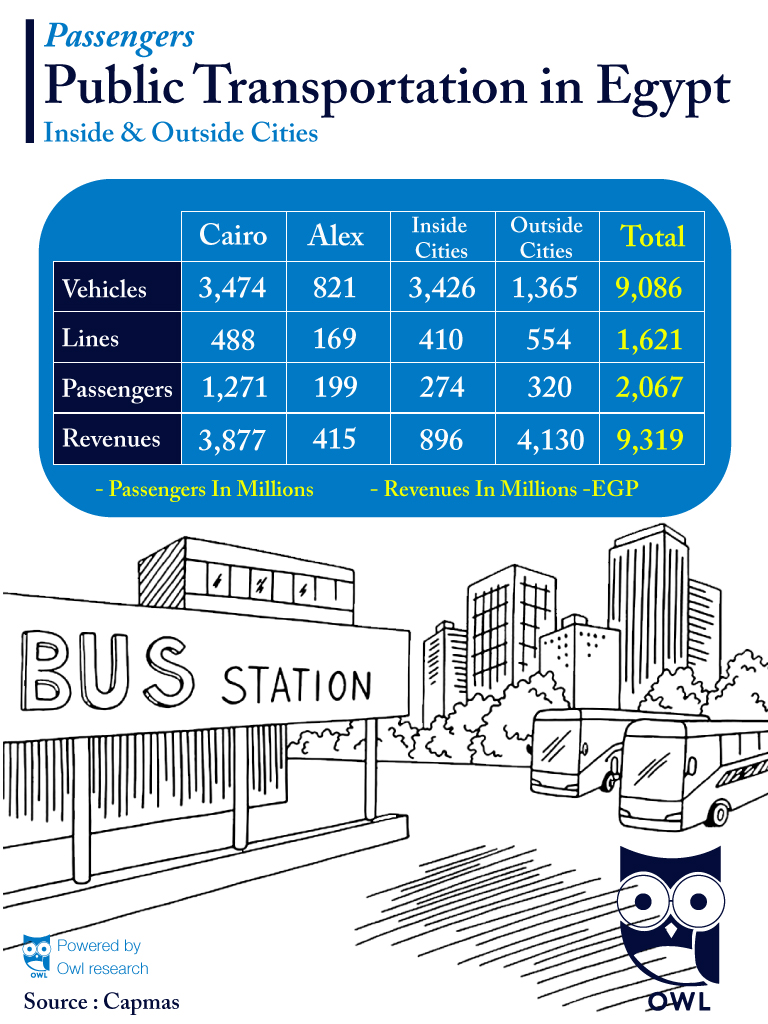
Egypt, with its rich history, captivating landmarks, and vibrant culture, has long been a top destination for travelers from around the world. However, navigating the country’s vast and varied terrain can be a daunting task for the uninitiated. From the bustling streets of Cairo to the serene Nile River, Egypt offers a diverse array of transportation options to suit the needs and preferences of every visitor. In this comprehensive guide, we’ll delve into the intricacies of Egypt’s transportation landscape, equipping you with the knowledge and insights to make the most of your journey.
Land Transportation: Navigating Egypt’s Roadways
The Expansive Highway Network
Egypt boasts an extensive highway system that connects its major cities and regions, making it a convenient option for those seeking to explore the country by road. The Cairo-Alexandria Desert Road, Geish Road, and the Ring Road are just a few of the well-maintained thoroughfares that facilitate seamless travel across the country. With flat, stretching terrain and a steadily improving infrastructure, Egypt’s roadways offer a comfortable and efficient means of transportation.
Navigating the Public Transit System
For those seeking a more affordable and immersive experience, Egypt’s public transportation network presents a viable alternative. The metro system, or subway, in Cairo is a particularly noteworthy option, with three established lines and a fourth line currently under development. Covering a vast expanse of the capital city, the metro provides a reliable and cost-effective way to navigate the urban landscape.
Trains: Exploring the Nile Valley
While shorter journeys may be better suited to alternative modes of transport, the Egyptian railway system shines when it comes to long-distance travel. As the oldest railway network in Africa and the Middle East, the system offers a range of options, from air-conditioned first and second-class carriages to the iconic sleeper trains. Connecting major hubs like Cairo, Luxor, and Aswan, the trains provide a comfortable and scenic way to explore the Nile Valley.
Buses and Microbuses: Navigating the Provinces
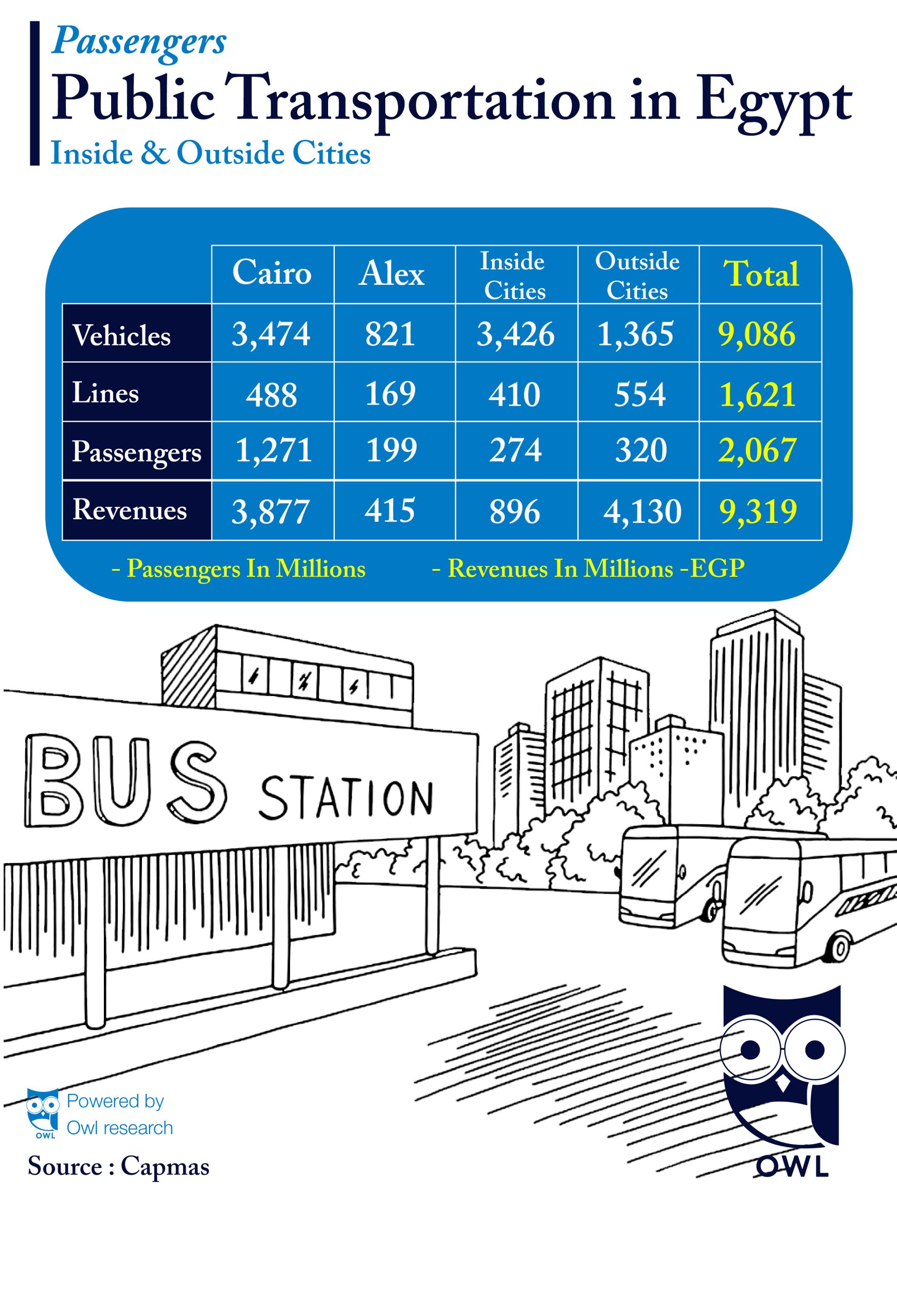
For those venturing beyond the capital, Egypt’s extensive bus and microbus networks serve as vital links to the country’s diverse provinces. Buses, while not the fastest option, offer a widespread presence and accessibility, making them a popular choice for budget-conscious travelers. Microbuses, on the other hand, are known for their speed and efficiency, providing a more direct and personalized mode of transportation.
Taxis and Ride-Hailing Services
Taxis, both traditional and modern, play a significant role in Egypt’s transportation landscape. While traditional taxis can be susceptible to overcharging, the introduction of ride-hailing services like Uber and Careem has brought a new level of transparency and convenience to the taxi experience. These app-based services offer a reliable and hassle-free way to navigate Egypt’s bustling cities.
Waterway Transportation: Exploring the Nile
Nile Cruises: A Leisurely Journey
The Nile River, the lifeblood of ancient Egyptian civilization, continues to captivate visitors today. The colonial tradition of Nile cruises has given rise to an extensive industry, with over two hundred steamers plying the waterways between Luxor and Aswan. These cruises offer a unique opportunity to witness the ever-changing landscapes and historical sites along the river’s banks, all while enjoying the comforts of a floating hotel.
Feluccas: Embracing Tradition
For a more intimate and authentic river experience, feluccas – the traditional lateen-sailed boats that have traversed the Nile for centuries – provide a tranquil and leisurely alternative. These iconic vessels allow visitors to drift along the river, taking in the changing moods of the Nile and soaking up the timeless ambiance.
Ferries and River Buses: Crossing the Waterways
In addition to the Nile cruises and feluccas, Egypt’s waterways are also served by a network of local ferries and river buses. These affordable and practical options facilitate cross-river and canal crossings, providing a convenient way for both residents and tourists to navigate the country’s aquatic arteries.
Air Transportation: Soaring to New Heights
Domestic Flights: Efficient Connections
For those seeking to maximize their time and minimize the hassle of overland travel, Egypt’s domestic flight network offers a viable solution. The national carrier, EgyptAir, maintains a comprehensive network of routes connecting major cities, including Cairo, Luxor, Aswan, and Sharm El-Sheikh, among others. While more expensive than ground transportation, these flights offer a fast and comfortable way to traverse the country.
International Connections: Accessing Egypt
Egypt’s international airports, particularly the Cairo International Airport, serve as gateways for visitors from around the world. With connections to major hubs across Europe, the Middle East, and beyond, these airports facilitate seamless access to the country, making it easier than ever for travelers to explore the wonders of Egypt.
Specialized Transportation: Unique Experiences
Tuk-Tuks: Navigating the Narrow Streets
In recent years, the emergence of tuk-tuks, or three-wheeled motorized rickshaws, has added a new dimension to Egypt’s transportation landscape. These compact vehicles are particularly well-suited for navigating the narrow streets and congested alleys of small towns and villages, offering a unique and often more affordable way to explore off-the-beaten-path destinations.
Carriages: A Nostalgic Journey
The enduring presence of horse-drawn carriages, or calèches, in Egypt’s urban centers provides a nostalgic and atmospheric mode of transportation, particularly for tourists. These quaint conveyances are often found in historic areas, such as Luxor and Aswan, allowing visitors to experience the country’s rich heritage while traversing the streets at a leisurely pace.
Navigating the Complexities: Tips and Considerations
Understanding the Transportation Landscape
Navigating the diverse transportation options in Egypt can be a daunting task, especially for first-time visitors. It’s essential to familiarize yourself with the various modes of transport, their advantages, and the associated etiquette and regulations. Researching schedules, fares, and booking procedures can help ensure a smooth and stress-free journey.
Safety and Regulations
When it comes to transportation in Egypt, safety should be a top priority. Adhering to traffic laws, wearing seatbelts, and exercising caution when using certain modes, such as tuk-tuks or renting a car, can help mitigate the risks. Additionally, being aware of any travel permits or restrictions, particularly for desert excursions, can help you plan your itinerary accordingly.
Maximizing Your Travel Experience
By understanding the strengths and limitations of each transportation option, travelers can tailor their journey to best suit their needs and preferences. Whether it’s opting for the scenic Nile cruise, the efficiency of the metro system, or the adventure of tuk-tuk exploration, the key is to choose the mode that aligns with your travel goals and enhances your overall experience in Egypt.
Conclusion
Egypt’s transportation landscape is a tapestry of diverse and interconnected options, each offering a unique perspective on the country’s rich cultural heritage and stunning natural beauty. From the bustling streets of Cairo to the serene waters of the Nile, navigating Egypt’s transportation network can be a rewarding and immersive experience for travelers. By familiarizing yourself with the available modes of transport, planning your journey strategically, and embracing the local customs, you can unlock a world of adventure and discovery in this captivating North African destination.