Herring is one of the most popular fish in Egyptian cuisine, especially during festive seasons like Sham El-Nessim. Despite local production, Egypt still relies heavily on imported herring to meet annual demand — and 2024 data reveals a clear dominance by a few key exporters.

Norway: Egypt’s Main Source of Herring
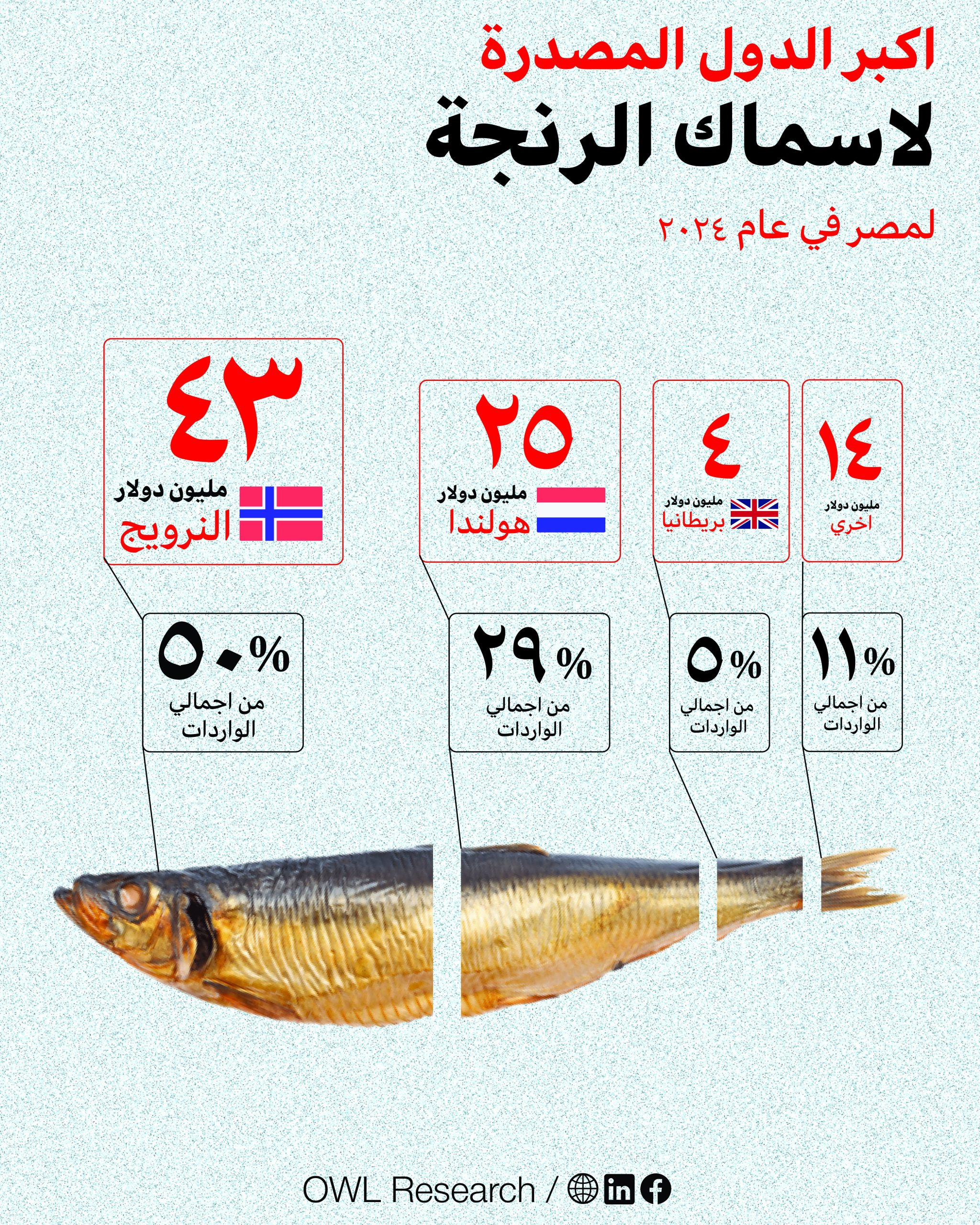
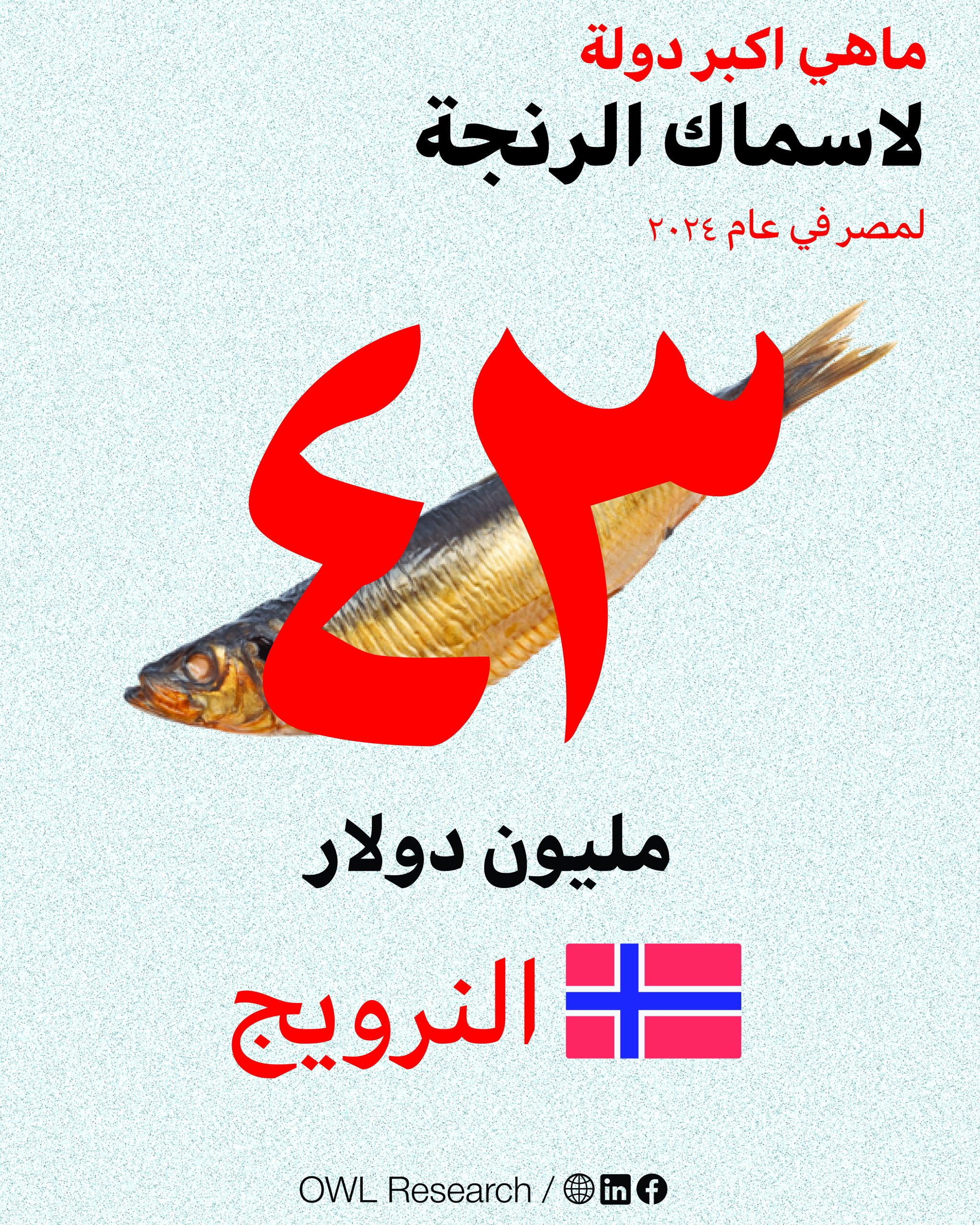
Norway tops the list by a wide margin, exporting around $43 million worth of herring to Egypt. This alone represents about half (50%) of Egypt’s total herring imports. Norway’s strong fishing industry and high-quality processing standards make it the leading supplier.
The Netherlands: A Significant European Partner
In second place comes the Netherlands, with $25 million in exports — accounting for 29% of Egypt’s herring imports. Dutch seafood processors play a central role in re-exporting herring across global markets, including North Africa.
Smaller Contributors: The UK and Others
The United Kingdom follows with $4 million, while various other countries collectively contribute $14 million, covering the remaining 11% of Egypt’s demand.
Why Does Egypt Import So Much Herring?
Local production is limited, and consumer demand peaks during traditional holidays. Importing from Europe ensures stable supply, quality, and consistency, especially during periods of domestic shortage.