Cigarette smoking is a pressing public health concern in Egypt, with far-reaching consequences on the nation’s well-being. As the country grapples with a steadily increasing smoking prevalence, it becomes imperative to delve deeper into the epidemiology, risk factors, and control measures surrounding this issue. This comprehensive article aims to provide a holistic understanding of the tobacco landscape in Egypt, drawing insights from the latest research and offering evidence-based strategies to curb this growing epidemic.
Prevalence of Smoking in Egypt
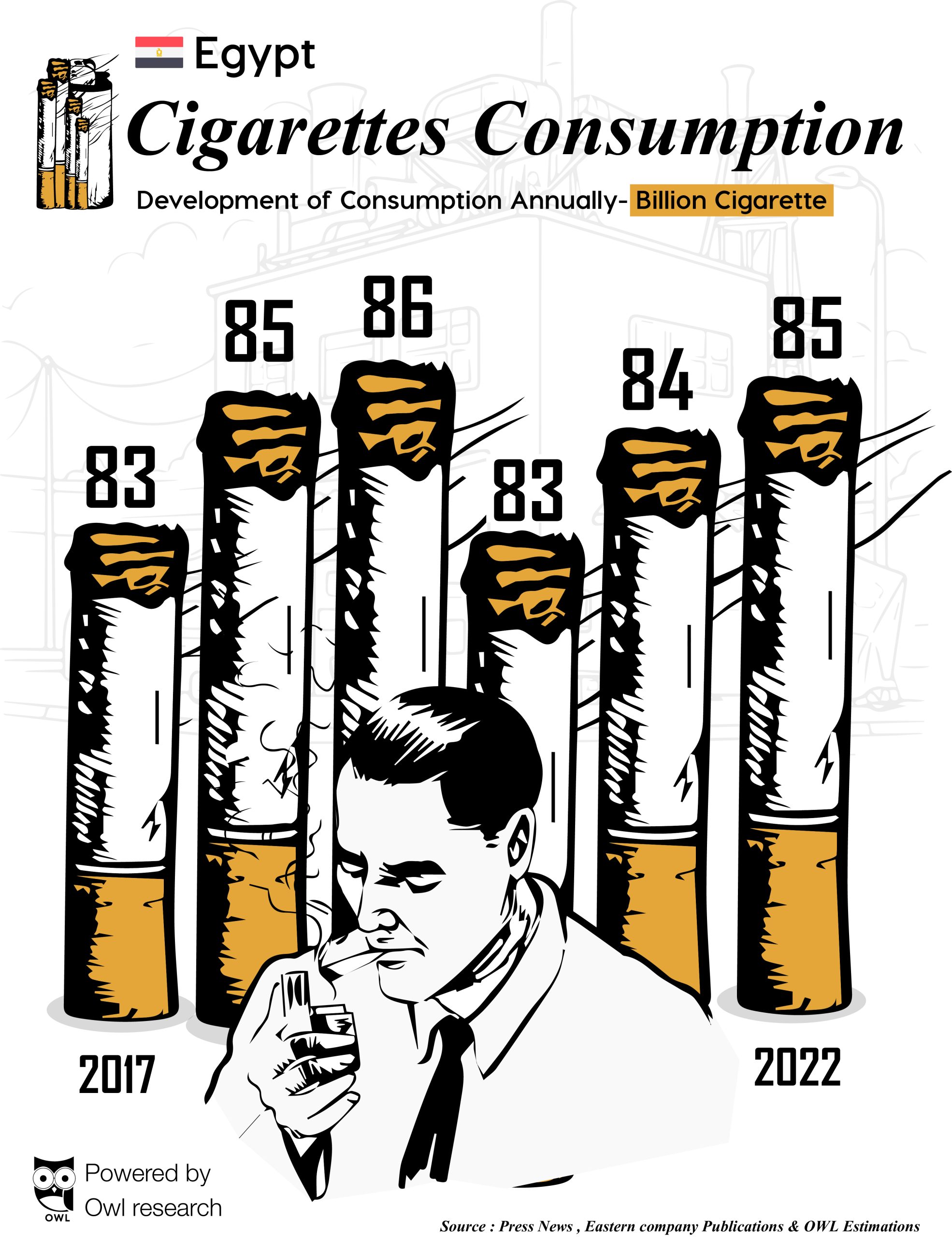
The prevalence of smoking in Egypt has been a subject of growing concern in recent years. According to the World Health Organization (WHO) reports, the smoking rate in Egypt stood at 22% in 2010 and has been on a steady incline since then. This translates to approximately 11.5 million individuals engaging in this detrimental habit.
Interestingly, the smoking prevalence exhibits distinct gender disparities. While men account for a staggering 38.1% of smokers, the rate among women is significantly lower at 0.6%. This discrepancy can be attributed to sociocultural norms and gender-specific patterns of tobacco use in the Egyptian context. However, the number of female smokers has been rising rapidly in recent years, driven by increased exposure to Western influences and the growing presence of working women in the workforce.
Further analysis of the data reveals that the prevalence of smoking tends to increase with age, with the highest rates observed among individuals aged 25-64 years. Additionally, lower educational attainment and employment status are predictive of a higher risk of tobacco use, underscoring the socioeconomic disparities that shape smoking patterns in the country.
Smoking Behavior and Trends
Beyond the overall prevalence, it is crucial to examine the specific smoking behaviors and trends observed in the Egyptian population. The Global Adult Tobacco Survey (GATS) report provides valuable insights in this regard.
According to the GATS data, the vast majority (96%) of male smokers in Egypt engage in daily tobacco consumption, with a preference for manufactured cigarettes (31.8%) over shisha (6.2%) or smokeless tobacco (4.1%). In contrast, female smokers are more inclined towards shisha, with all current shisha users reporting daily use.
Interestingly, the age of smoking initiation among Egyptian youth has been a subject of debate, with estimates ranging from 15 to 22.5 years. This heterogeneity highlights the need for further research to pinpoint the precise timing of smoking onset, which can inform the design of targeted prevention programs.
It is important to note that the self-reported nature of the data may underestimate the true prevalence, particularly among adolescents and women, due to cultural stigma and social desirability bias. Nonetheless, the available evidence paints a concerning picture of the tobacco consumption patterns in Egypt.
Risk Factors for Smoking Initiation
Identifying the key risk factors that contribute to smoking initiation is crucial for developing effective prevention strategies. The literature on smoking in Egypt has highlighted several salient predictors of tobacco use.
One of the most prominent risk factors is the influence of family and peers. Studies have consistently reported high odds ratios for sibling, parent, and peer smoking, underscoring the powerful role of social networks in shaping smoking behaviors. Additionally, exposure to Western media and advertising has been linked to increased smoking uptake among Egyptian youth.
Personality traits and mental health factors also play a significant role. Neuroticism, depression, and paid work have all been identified as risk factors for tobacco use in the Egyptian context. Conversely, intrinsic factors like health concerns and self-esteem, as well as extrinsic factors such as religious beliefs and family influences, have been shown to act as protective elements against smoking initiation.
Understanding these multifaceted risk and protective factors is essential for designing comprehensive interventions that address the unique sociocultural and psychological dimensions of smoking in Egypt.
Smoking-Related Health Consequences
The detrimental impact of smoking on health is well-established, and the Egyptian population is no exception. The literature highlights several serious health complications associated with tobacco use in the country.
Cardiovascular disorders, such as atherosclerosis and hypertension, are among the most prevalent smoking-related conditions. Studies have found a clear correlation between cumulative exposure to cigarette smoke and the frequency of symptoms associated with chronic obstructive pulmonary disease (COPD).
The link between smoking and cancer is also well-documented in the Egyptian context. Smokers have been found to have a significantly elevated risk of developing bladder, pancreatic, and other types of malignant tumors. Additionally, smoking has been identified as a risk factor for erectile dysfunction and spermatic malformation, underscoring the far-reaching consequences of this habit.
Importantly, the adverse health effects of smoking extend beyond the individual smoker, as prenatal exposure to nicotine has been linked to premature birth, intrauterine growth retardation, and other fetal complications. This highlights the need for comprehensive interventions that address the intergenerational impact of tobacco use.
Smoking Cessation Efforts in Egypt
In response to the growing tobacco epidemic, Egypt has implemented various control measures and awareness programs aimed at reducing smoking prevalence. However, the effectiveness of these efforts has been mixed, and further improvements are necessary.
One of the key strategies has been the introduction of pharmacological and psychological interventions to support smoking cessation. Studies have demonstrated the efficacy of nicotine replacement therapy and counseling-based approaches in helping smokers quit and maintain abstinence. However, the availability and accessibility of these services remain limited, hindering their widespread adoption.
Recognizing the importance of raising awareness, the Egyptian government has also employed mass media campaigns to educate the public about the dangers of smoking. These efforts have primarily focused on delivering messages through television, radio, and billboards. While these campaigns have had some impact, their reach and effectiveness could be further enhanced by targeting specific demographics and leveraging emerging digital platforms.
Legislation and policy interventions have also been a focal point in Egypt’s tobacco control efforts. The country has enacted various laws and regulations, including smoke-free policies in public spaces and restrictions on tobacco advertising and promotion. However, the enforcement of these measures has been inconsistent, limiting their overall impact on smoking prevalence.
Addressing Gaps and Barriers
Despite the ongoing efforts to combat the tobacco epidemic in Egypt, several gaps and barriers persist, requiring a multifaceted approach to address them effectively.
One of the notable gaps in the existing literature is the lack of comprehensive data on smoking among youth, particularly in rural communities where the majority of the Egyptian population resides. This paucity of information hampers the development of targeted interventions for this high-risk demographic.
Additionally, the self-reported nature of the available data may underestimate the true prevalence of smoking, especially among females and adolescents, due to cultural stigma and social desirability bias. Employing more objective measurement techniques, such as biochemical validation, could provide a more accurate assessment of the smoking landscape.
Furthermore, the heterogeneity in the reported age of smoking initiation among Egyptian youth underscores the need for more rigorous research to pinpoint the critical periods for intervention. Determining the precise timing of smoking onset can inform the design and implementation of age-appropriate prevention programs.
Addressing these gaps and barriers will require a concerted effort involving policymakers, healthcare professionals, researchers, and the broader community. Strengthening data collection, enhancing public awareness, and improving the accessibility and quality of cessation services are crucial steps in the fight against the tobacco epidemic in Egypt.
The Role of Healthcare Professionals
Healthcare professionals, particularly family physicians, play a pivotal role in Egypt’s efforts to combat the tobacco epidemic. However, the current literature suggests that these frontline providers are not adequately equipped to deliver effective smoking cessation counseling to their patients.
Studies have revealed that while the majority of Egyptian healthcare workers have a favorable attitude towards smoking cessation, their knowledge and practice scores are relatively poor. This disparity highlights the need for targeted training and capacity-building initiatives to equip these professionals with the necessary skills and resources to support their patients in quitting smoking.
Integrating smoking cessation interventions into the curriculum of medical and nursing schools can help ensure that future healthcare providers are well-prepared to address this public health challenge. Additionally, providing in-service training and continuous professional development opportunities can enhance the competence of the current workforce in delivering evidence-based cessation support.
By empowering healthcare professionals to take a more active role in tobacco control, Egypt can leverage these trusted sources of information and guidance to drive meaningful change in the smoking behaviors of the population.
Comprehensive Tobacco Control Strategies
To effectively tackle the tobacco epidemic in Egypt, a multifaceted and comprehensive approach is required. Drawing from the lessons learned and best practices observed globally, the country can implement a strategic framework that addresses the various dimensions of the problem.
At the policy level, strengthening the enforcement of existing tobacco control laws and regulations, such as smoke-free policies and advertising bans, can contribute to reducing the social acceptability and accessibility of tobacco products. Additionally, implementing higher taxes and prices on cigarettes can serve as a deterrent, particularly for price-sensitive populations.
Complementing these policy interventions, targeted health education and awareness campaigns are crucial. These efforts should leverage diverse communication channels, including mass media, social media, and school-based programs, to reach a wide range of demographic groups. Tailoring the messaging and delivery to specific audiences, such as youth and women, can enhance the impact and relevance of these initiatives.
Investing in smoking cessation services, including both pharmacological and behavioral support, can empower smokers to quit and maintain abstinence. Ensuring the availability, accessibility, and affordability of these services, particularly in underserved communities, can significantly improve their utilization and long-term success.
Lastly, strengthening the monitoring and evaluation of tobacco control efforts is essential for assessing the effectiveness of interventions and informing future policy decisions. Robust data collection, analysis, and dissemination can provide the evidence base necessary to guide the country’s ongoing efforts to curb the tobacco epidemic.
The Role of Religious and Cultural Influences
In the Egyptian context, religious and cultural factors play a significant role in shaping societal attitudes and behaviors towards smoking. Exploring and leveraging these influential elements can be a valuable strategy in the fight against the tobacco epidemic.
Recent religious rulings (Fatwas) by Islamic scholars have declared tobacco smoking as prohibited (Haram) in the Muslim faith. However, the widespread dissemination and enforcement of these religious edicts remain limited, hindering their potential impact on smoking prevalence.
Engaging religious leaders and community-based organizations can be a powerful approach to amplifying the anti-smoking message and mobilizing grassroots support. Incorporating religious and cultural narratives into public health campaigns can enhance their resonance and appeal among the target populations.
Furthermore, exploring the protective role of religious beliefs and family influences in preventing smoking initiation can inform the development of culturally-sensitive interventions. Leveraging these intrinsic and extrinsic factors can complement the broader tobacco control strategies and foster a more holistic and effective approach.
Addressing the Intergenerational Impact
The adverse health consequences of smoking extend beyond the individual smoker, with prenatal exposure to nicotine posing significant risks to the developing fetus. This intergenerational impact underscores the urgency of addressing the tobacco epidemic in Egypt from a comprehensive, family-centered perspective.
Targeted interventions that educate and support pregnant women, as well as new parents, can help mitigate the detrimental effects of secondhand and thirdhand smoke exposure on children. Integrating smoking cessation counseling into antenatal and postnatal care services can empower women to quit and create a smoke-free environment for their families.
Furthermore, addressing the social determinants that shape smoking behaviors, such as socioeconomic status and gender norms, can help break the intergenerational cycle of tobacco use. Adopting a holistic, family-oriented approach to tobacco control can have far-reaching benefits, safeguarding the health and well-being of both current and future generations in Egypt.
Conclusion
The tobacco epidemic in Egypt poses a significant threat to the country’s public health and economic well-being. Tackling this complex issue requires a multifaceted, evidence-based approach that addresses the multifaceted drivers of smoking, from individual risk factors to societal and policy-level influences.
By strengthening data collection, enhancing public awareness, improving access to cessation services, and empowering healthcare professionals, Egypt can make substantial progress in curbing the tobacco epidemic and its associated health consequences. Leveraging religious and cultural influences, as well as addressing the intergenerational impact of smoking, can further amplify the effectiveness of these efforts.
Sustained commitment and collaboration among policymakers, healthcare providers, researchers, and the broader community are essential to navigate the challenges and chart a path towards a smoke-free Egypt. Through a comprehensive and coordinated approach, the country can safeguard the health and well-being of its citizens, paving the way for a healthier and more prosperous future.