Cost of Living in Egypt: An Overview
Introduction
Egypt is often considered one of the more affordable countries in the Middle East and North Africa, but the cost of living has become a central concern for households in recent years. Driven by inflation, currency fluctuations, and rising global commodity prices, Egyptian families are facing increasing pressure on their daily budgets. While Egypt remains less expensive than many neighboring countries, the gap between income and living costs is widening.
Housing and Utilities
Accommodation costs in Egypt vary widely depending on the city and neighborhood. In Cairo and Alexandria, rent for a modest apartment in central areas can be significantly higher than in provincial towns. Utilities such as electricity, water, and internet are relatively affordable by global standards but have increased in recent years as subsidies were gradually lifted.
Food and Groceries
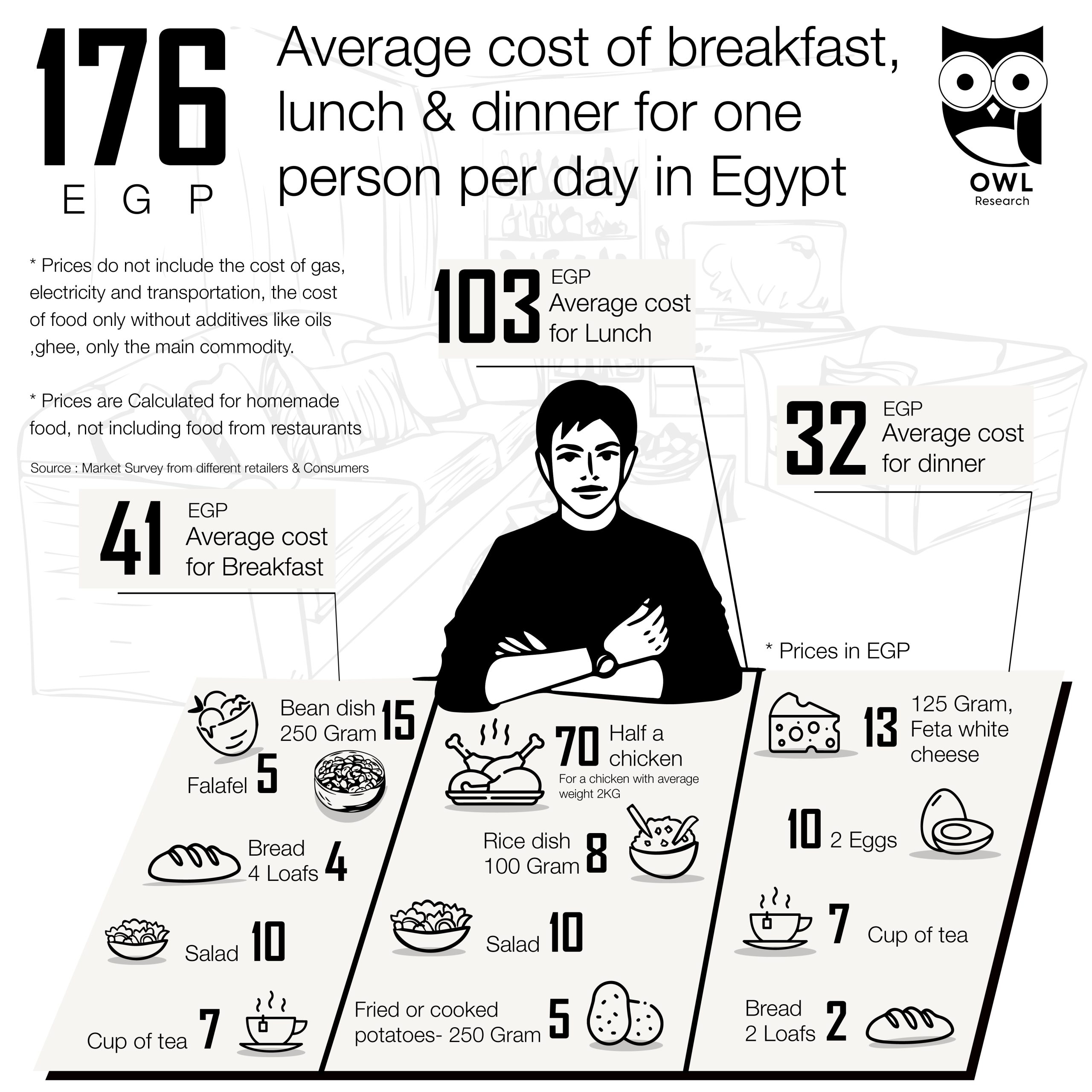
Food takes the largest share of household spending in Egypt. Staples such as bread, rice, beans, and vegetables remain relatively affordable, but prices of meat, poultry, dairy, and imported products have risen sharply. A simple homemade meal is still much cheaper than eating out, and many households rely heavily on local markets for fresh produce. The government continues to support certain goods, such as subsidized bread, to ease the burden on lower-income families.
Transportation
Public transportation, including metro, buses, and microbuses, is widely used and remains cheaper than in many countries. However, fuel price adjustments have increased the cost of taxis and private car usage. Ride-hailing services like Uber and local apps have also become more common but are considered expensive for daily use by average-income Egyptians.
Education and Healthcare
Private education and international schools represent a significant expense for middle- and upper-class families, while public schools remain free but face challenges in quality. Healthcare costs also vary: public hospitals provide low-cost services, but many households prefer private clinics and pharmacies, which are more costly.
Lifestyle and Entertainment
Daily leisure activities such as going to cafés, cinemas, or shopping malls are popular but increasingly expensive for average families. Many households are cutting back on non-essential spending to prioritize food, housing, and education.
Conclusion
The cost of living in Egypt reflects both its affordability and its challenges. For expatriates and tourists, Egypt can still appear inexpensive compared to global cities. For locals, however, rising inflation and limited wage growth make balancing household budgets more difficult. Looking ahead, government reforms, investment in infrastructure, and economic stability will play key roles in shaping how affordable life in Egypt will be for its citizens.