Egypt, a nation with a rich cultural heritage and a rapidly transforming economic landscape, has witnessed significant shifts in household spending patterns in recent years. As the country navigates through various socio-economic challenges, understanding the nuances of consumer behavior has become increasingly crucial for policymakers, businesses, and economists alike. This comprehensive article delves into the intricate details of Egyptian household expenditures, exploring the key drivers, emerging trends, and the potential implications for the nation’s economic development.
Demographic Influences on Household Spending
Egypt’s population, currently standing at over 104 million, is characterized by a young and growing demographic. Approximately 60% of the population is under the age of 30, which has a significant impact on the country’s household spending patterns. Younger consumers tend to have different priorities and preferences compared to their older counterparts, often favoring experiences, technology, and discretionary purchases over traditional necessities.
Urbanization and the Rise of the Middle Class
The rapid urbanization of Egypt has given rise to a burgeoning middle class, whose spending habits have become increasingly influential. As of 2021, around 43% of the Egyptian population resides in urban areas, with a growing number of households enjoying higher disposable incomes and access to a wider range of goods and services. This shift has fueled the demand for more sophisticated and diverse consumer products, as well as the emergence of new retail channels, such as e-commerce and modern shopping malls.
Gender Dynamics and Household Decision-Making
The role of women in Egyptian households has evolved, with more women participating in the workforce and contributing to household decision-making. According to recent estimates, the female labor force participation rate in Egypt stands at around 22%, up from previous decades. This has led to a greater influence of women on spending patterns, with a focus on areas such as healthcare, education, and family-oriented expenditures.
Shifts in Consumption Patterns
The Egyptian household spending landscape has undergone significant transformations, reflecting the country’s economic and social developments.
Changing Food Consumption Habits
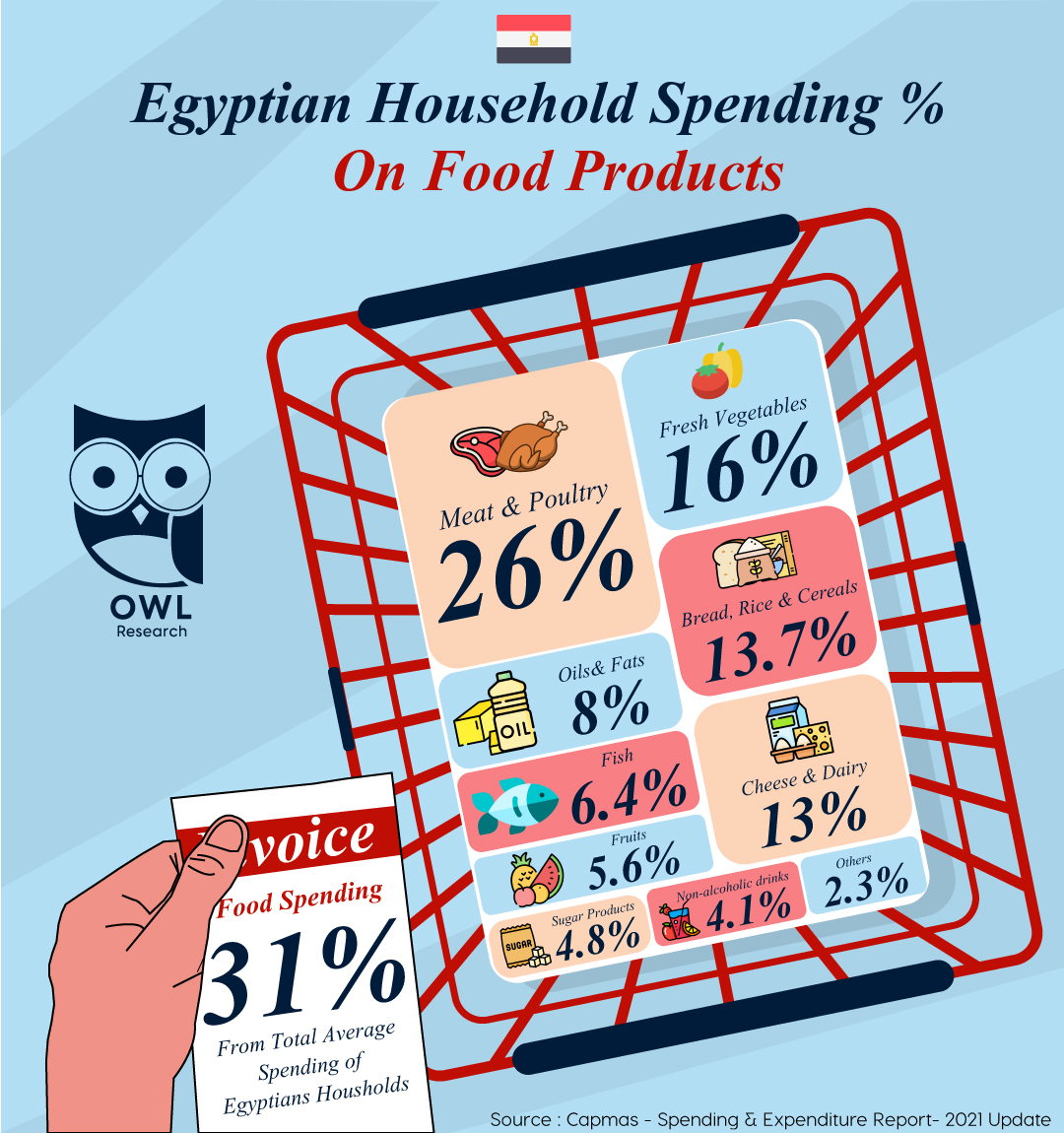
Food expenditures account for a significant portion of Egyptian household budgets, with an estimated 37.6% of total household spending dedicated to this category in 2021. However, the composition of this spending has evolved, with a growing preference for processed and convenience foods, as well as a shift towards healthier and organic options among the rising middle class.
Increasing Demand for Durable Goods
As the Egyptian economy has grown, households have allocated a larger share of their budgets towards the acquisition of durable goods, such as household appliances, electronics, and vehicles. This trend reflects the expanding purchasing power of consumers and their desire to improve their living standards and quality of life.
Evolving Preferences in the Hospitality and Entertainment Sectors
The Egyptian population has demonstrated a growing appetite for leisure and entertainment activities, with a notable increase in spending on dining out, travel, and recreational pursuits. This shift is particularly evident among the younger demographic and the urban middle class, who seek to balance their work and personal lives with more diverse leisure options.
The Impact of Economic Factors
The Egyptian economy has faced a range of challenges in recent years, including fluctuations in currency exchange rates, inflationary pressures, and the lingering effects of the COVID-19 pandemic. These economic factors have had a significant impact on household spending patterns.
Inflation and Its Influence on Consumption
High inflation rates, which reached over 15% in 2022, have put significant strain on Egyptian households, leading to a greater emphasis on essential expenditures and a reduction in discretionary spending. Consumers have had to prioritize basic necessities, such as food and utilities, over non-essential purchases, which has affected the growth of various consumer sectors.
Currency Fluctuations and Purchasing Power
The volatility of the Egyptian pound, which has experienced periods of depreciation against major foreign currencies, has influenced the purchasing power of households. This, in turn, has affected the affordability of imported goods and services, leading consumers to seek more cost-effective domestic alternatives or to adjust their spending patterns accordingly.
The Pandemic’s Impact on Household Budgets
The COVID-19 pandemic has had a profound impact on Egyptian households, with job losses, reduced incomes, and disruptions to supply chains affecting consumption patterns. According to the World Bank, the poverty rate in Egypt increased from 32.5% in 2019 to 29.7% in 2020 as a result of the pandemic, leading to a greater emphasis on essential expenditures and a decline in discretionary spending.
Emerging Trends and Opportunities
As the Egyptian economy and society evolve, new trends and opportunities are emerging that are shaping the household spending landscape.
The Rise of E-commerce and Digital Payments
The rapid growth of e-commerce and the increasing adoption of digital payment methods have transformed the way Egyptian consumers shop and manage their household finances. According to a recent report, the value of Egypt’s e-commerce market is expected to reach $7.5 billion by 2025, offering new avenues for businesses to reach and engage with their target audiences.
Sustainable Consumption and the Green Economy
There is a growing awareness among Egyptian households about the importance of sustainable consumption and environmentally-friendly products. This shift is particularly evident among the younger generation and the urban middle class, who are increasingly prioritizing eco-friendly and socially responsible purchasing decisions.
Personalization and the Demand for Customized Experiences
Egyptian consumers, especially the emerging middle class, are demonstrating a strong preference for personalized products and services that cater to their unique preferences and lifestyles. Businesses that can effectively leverage data analytics and customer insights to deliver tailored offerings are well-positioned to capture this growing demand.
Implications and Strategies for Stakeholders
The evolving household spending patterns in Egypt have significant implications for various stakeholders, including policymakers, businesses, and economic analysts.
Policymakers: Balancing Economic Stability and Inclusive Growth
Policymakers in Egypt must navigate the delicate balance between maintaining economic stability and fostering inclusive growth that benefits all segments of the population. This may involve implementing targeted policies to support low-income households, incentivize sustainable consumption, and promote the development of the digital economy.
Businesses: Adapting to Changing Consumer Preferences
Businesses operating in Egypt must closely monitor and adapt to the changing consumer preferences and spending habits. This may involve diversifying product portfolios, enhancing digital capabilities, and developing innovative marketing strategies to effectively reach and engage with their target audiences.
Economic Analysts: Leveraging Data-Driven Insights
Economic analysts and researchers studying the Egyptian household spending landscape must continue to gather and analyze comprehensive data to uncover emerging trends, identify growth opportunities, and provide valuable insights to policymakers and businesses. This data-driven approach can help stakeholders make more informed decisions and develop effective strategies to navigate the evolving economic landscape.
Conclusion
The Egyptian household spending landscape is a dynamic and multifaceted domain, reflecting the country’s complex socio-economic landscape. From demographic shifts and changing consumption patterns to the impact of economic factors and emerging trends, the insights presented in this article offer a comprehensive understanding of the evolving household spending dynamics in Egypt. By navigating these insights, stakeholders can better align their strategies, policies, and business models to capitalize on the opportunities and address the challenges presented by the ever-changing Egyptian consumer landscape.