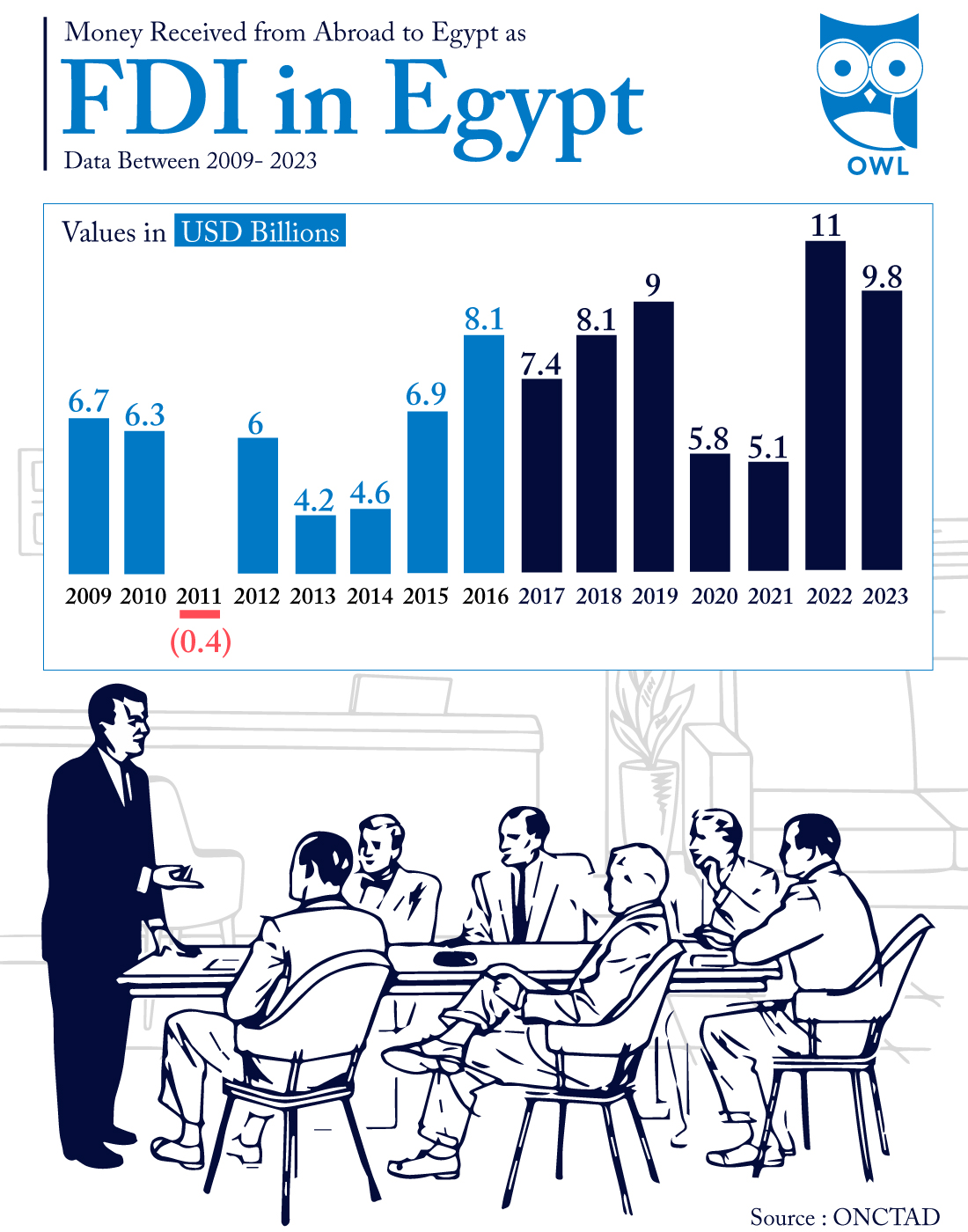
Egypt, the land of ancient wonders and modern economic prowess, has long been a hub of international investment. As the largest Arab country and a strategic gateway to the Middle East and Africa, Egypt has captured the attention of global investors seeking lucrative opportunities and stable returns. This comprehensive guide delves into the intricacies of foreign direct investment (FDI) in Egypt, exploring the country’s economic landscape, key sectors, and the regulatory environment that supports the influx of overseas capital.
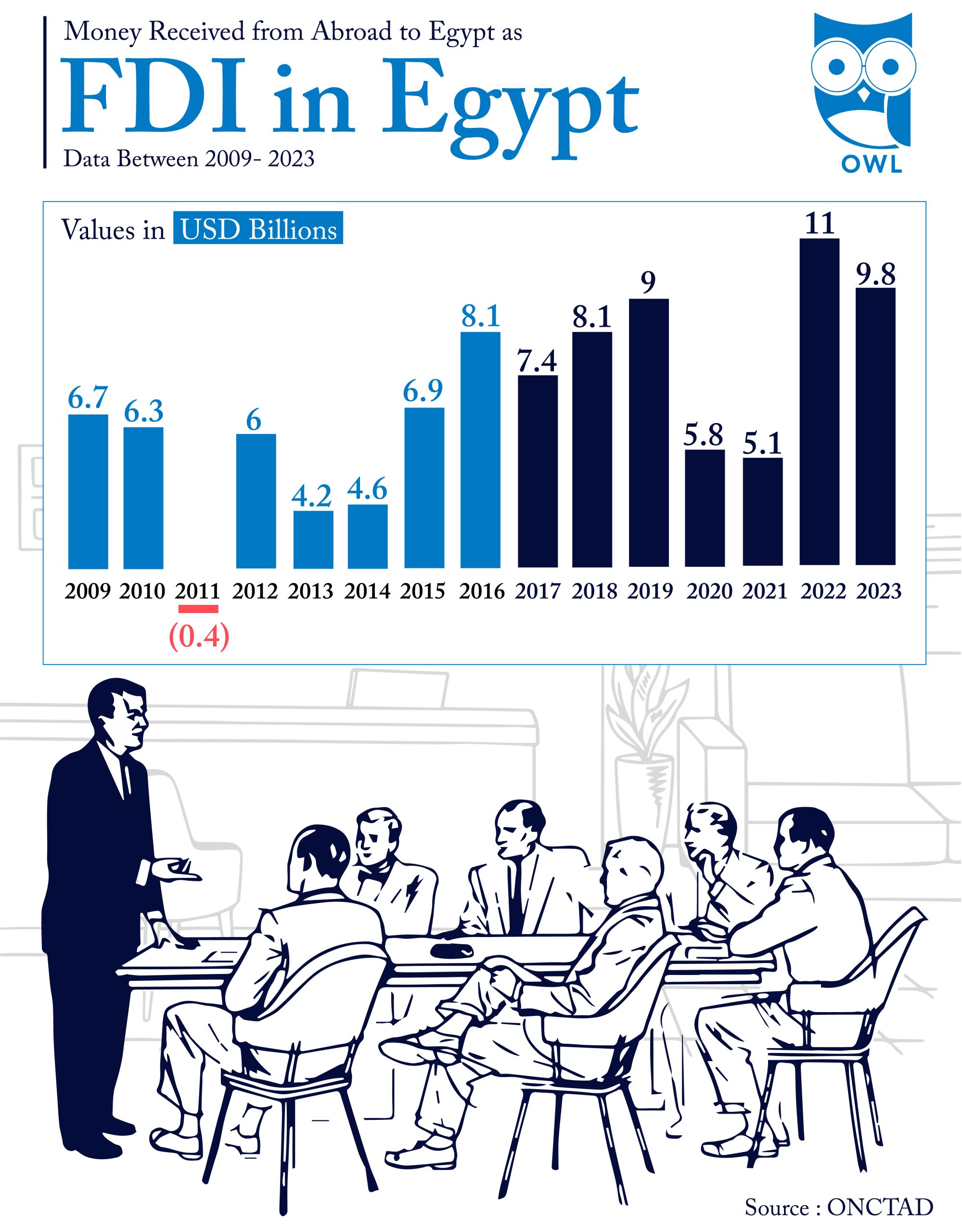
Egypt’s Economic Landscape: A Promising Frontier
Egypt’s economy has undergone a remarkable transformation in recent years, emerging as a dynamic and resilient market that offers a wealth of investment opportunities. The country’s strategic location, abundant natural resources, and a large, youthful population have made it an attractive destination for foreign investors seeking to tap into the region’s growth potential.
Robust GDP Growth and Diversified Economy
Egypt’s Gross Domestic Product (GDP) has experienced steady growth, with a 5.6% expansion recorded in 2022. This robust economic performance is underpinned by a diversified economy that encompasses various sectors, including agriculture, manufacturing, tourism, and a burgeoning technology and innovation hub.
Favorable Demographic Trends
Egypt’s population of over 100 million, with a median age of just 24 years, presents a vast pool of human capital that appeals to multinational corporations and investors. This youthful, tech-savvy workforce is driving the country’s transformation, fueling innovation and productivity across various industries.
Strategic Geographical Position
Situated at the crossroads of Africa, the Middle East, and Europe, Egypt serves as a strategic gateway, providing investors with unparalleled access to lucrative regional markets. The country’s extensive transportation infrastructure, including modern ports, airports, and road networks, facilitates seamless trade and logistics, further enhancing its appeal as an investment destination.
Key Sectors Attracting Foreign Investment
Egypt’s diverse economic landscape offers a wide range of sectors that have captured the attention of international investors. From traditional industries to emerging growth areas, the country’s investment landscape is characterized by a dynamic and evolving ecosystem.
Energy and Natural Resources
Egypt’s vast reserves of oil, natural gas, and minerals have long been a magnet for foreign investment. The country’s ongoing efforts to modernize its energy infrastructure and expand renewable energy sources, such as solar and wind power, have further bolstered its appeal among energy-focused investors.
Manufacturing and Industrial Development
Egypt’s manufacturing sector has witnessed a surge in FDI, driven by the country’s competitive labor costs, strategic location, and a growing network of industrial zones and free trade areas. Sectors like automotive, textiles, and food processing have attracted significant foreign investment.
Information and Communication Technology (ICT)
The ICT sector in Egypt has emerged as a rapidly growing investment hub, driven by the government’s initiatives to promote digital transformation and foster a thriving startup ecosystem. The country’s large pool of tech-savvy talent and a conducive regulatory environment have attracted global tech giants and venture capital firms.
Real Estate and Infrastructure
Egypt’s real estate and infrastructure sectors have been a consistent draw for foreign investors, who have capitalized on the country’s ambitious urban development plans and the growing demand for commercial and residential properties, as well as transportation and logistics infrastructure.
Regulatory Environment and Investment Incentives
The Egyptian government has implemented a robust regulatory framework and a suite of investment incentives to attract and retain foreign direct investment, ensuring a favorable business climate for international investors.
Investment Laws and Regulations
Egypt’s investment laws provide a comprehensive legal framework that safeguards the rights of foreign investors, offering guarantees against nationalization, expropriation, and unfair treatment. The country has also streamlined its bureaucratic processes, making it easier for investors to establish and operate their businesses.
Investment Incentives and Free Zones
To further incentivize foreign investment, Egypt offers a range of incentives, including tax exemptions, customs duty reductions, and access to state-of-the-art infrastructure within designated free zones. These specialized economic zones provide investors with a conducive environment, streamlined procedures, and preferential treatment.
Public-Private Partnerships (PPPs)
The Egyptian government has actively promoted public-private partnerships (PPPs) as a means to catalyze infrastructure development and attract foreign capital. These collaborative models have facilitated the participation of international investors in large-scale projects, spanning sectors such as transportation, utilities, and social infrastructure.
Navigating the Investment Landscape: Challenges and Opportunities
While Egypt’s investment landscape presents numerous opportunities, it is essential for foreign investors to navigate the complexities and address the potential challenges that may arise.
Macroeconomic Stability and Currency Fluctuations
Egypt has faced periodic macroeconomic challenges, including currency fluctuations and inflationary pressures. However, the government’s efforts to implement economic reforms and stabilize the exchange rate have helped to mitigate these risks, providing a more conducive environment for long-term investment.
Regulatory Transparency and Bureaucratic Processes
While the government has made strides in streamlining bureaucratic processes, navigating the regulatory landscape can still pose challenges for foreign investors. Maintaining transparency and clear communication with local authorities is crucial to ensure a smooth investment experience.
Talent Acquisition and Workforce Development
Accessing a skilled and specialized workforce can be a concern for some investors in Egypt. However, the government’s initiatives to enhance technical and vocational training, as well as the country’s large pool of educated and adaptable talent, provide avenues for addressing this challenge.
Conclusion: Embracing Egypt’s Investment Potential
Egypt’s investment landscape is a tapestry of opportunities, woven with a rich history, a dynamic economy, and a government committed to fostering a conducive environment for foreign direct investment. By understanding the country’s economic landscape, key sectors, regulatory framework, and navigating the challenges, international investors can unlock the vast potential that Egypt offers, contributing to the nation’s continued economic growth and development.