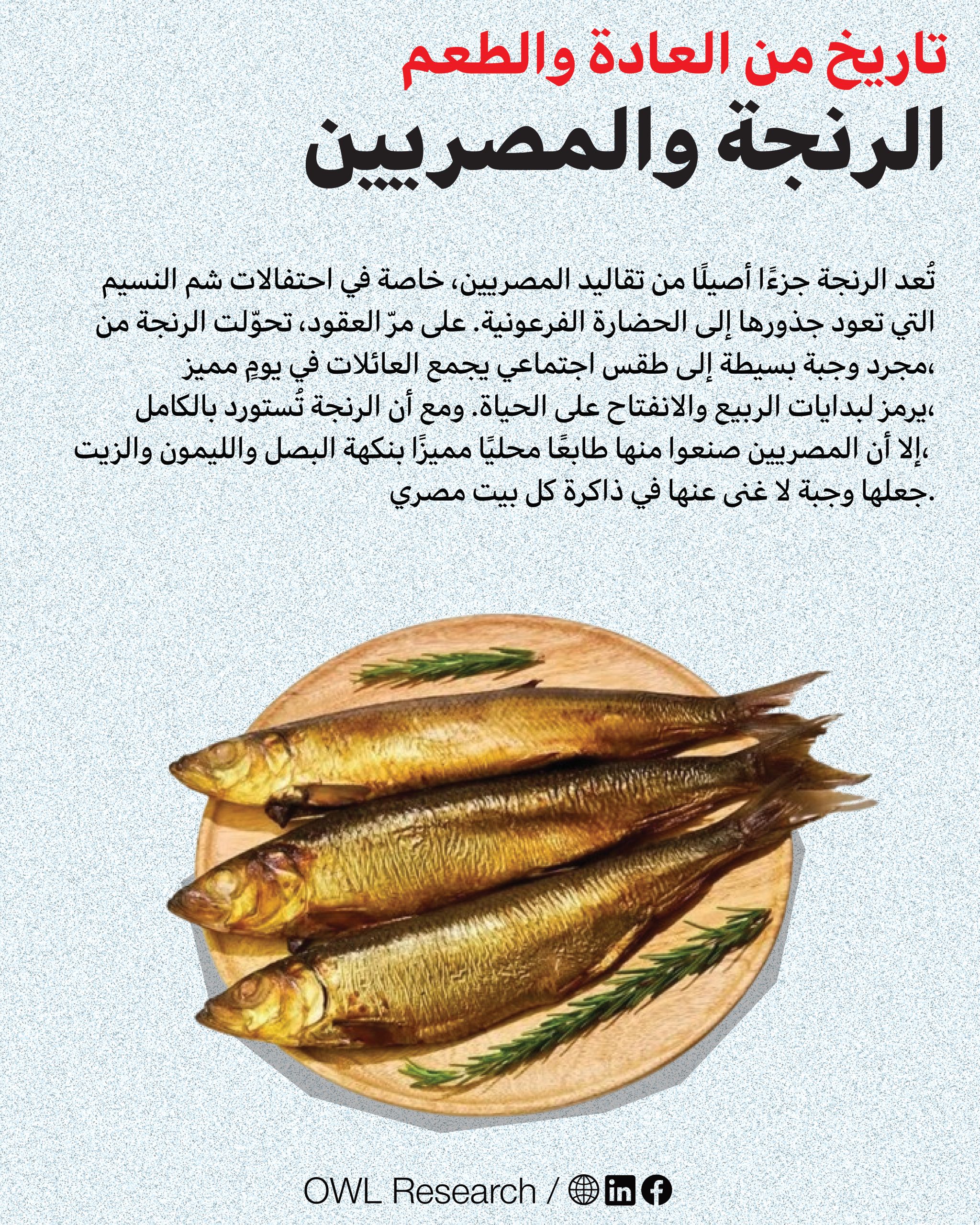
Ringa has long been embedded in Egyptian food culture, especially during spring celebrations like Sham El-Nassim. What started centuries ago as a simple preserved fish has evolved into a national ritual — a dish that brings families together and signals the arrival of warmer weather. Despite its strong cultural roots, ringa consumption in Egypt is also tightly linked to market dynamics and global imports.


Fluctuating Imports
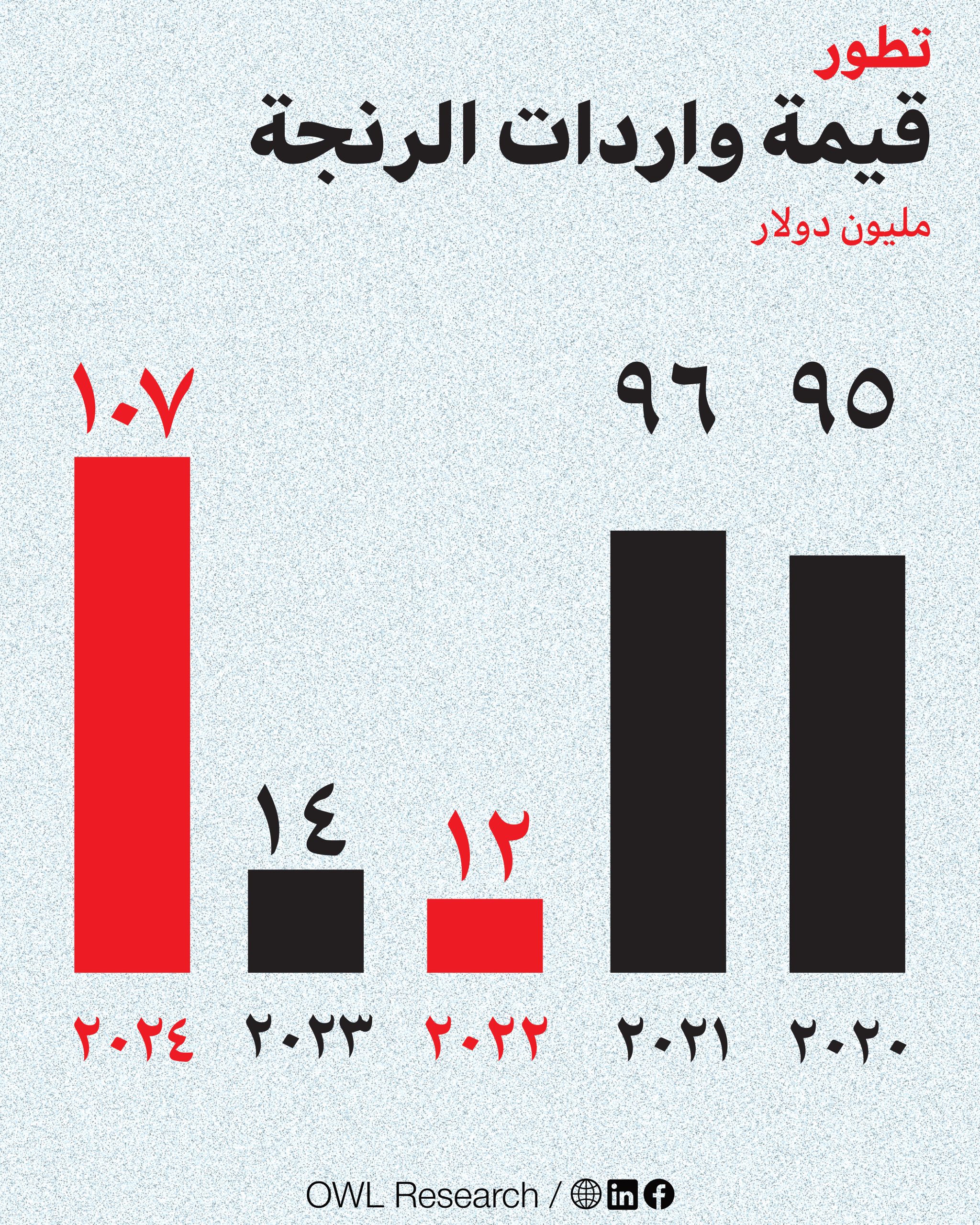
Egypt’s ringa imports experienced a sharp decline in 2022 and 2023 due to foreign currency shortages and restrictions on imports. This pushed annual import volumes down to nearly one-tenth of their usual levels before recovering again in 2024, when import value rose to $107 million.
Stable Local Consumption
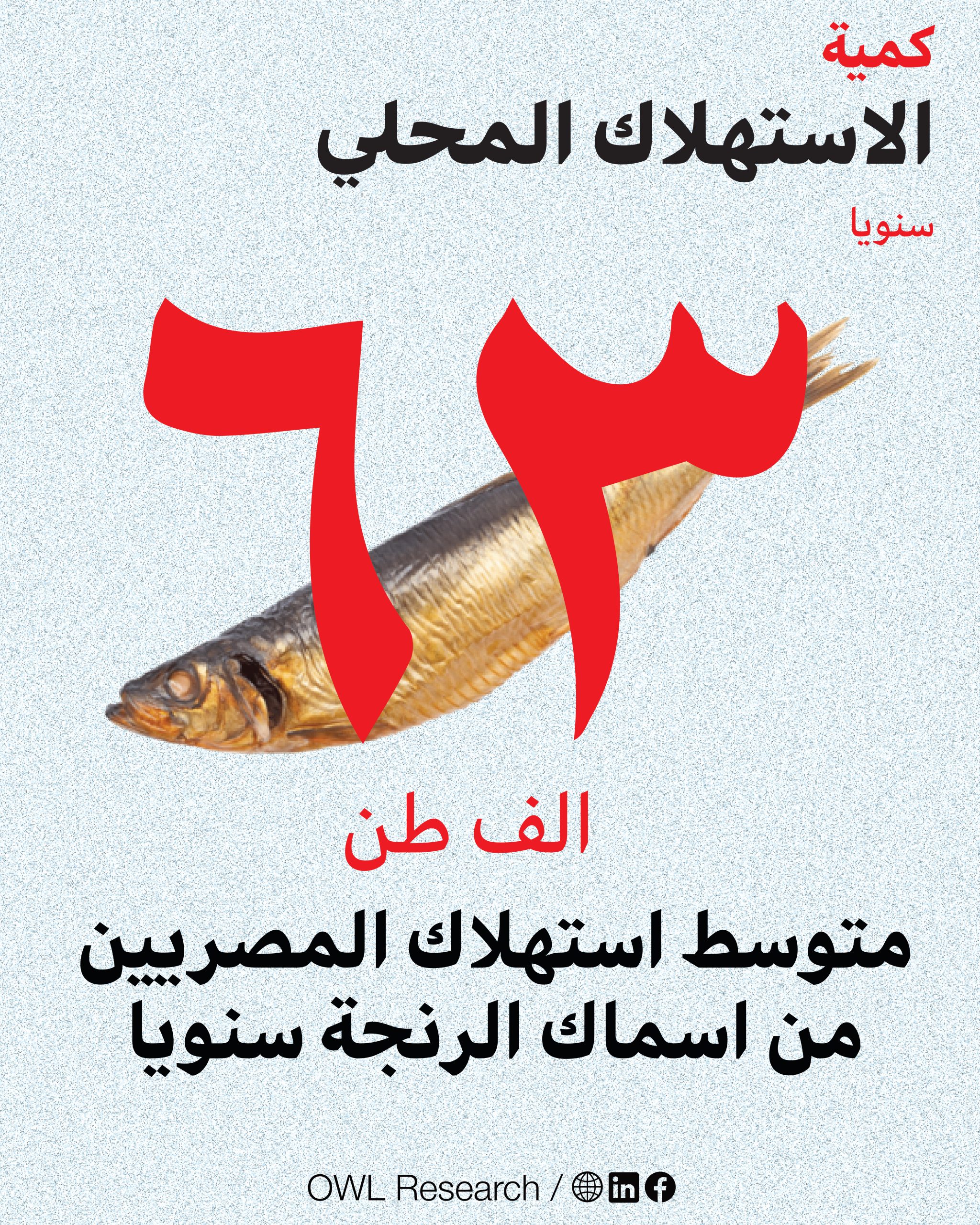
Despite these fluctuations, Egyptians continue to consume around 63,000 tons of ringa annually. When imports fall, the market adjusts through local stock, alternative suppliers, or lower household consumption — yet demand for ringa remains remarkably steady.
A Cultural Staple
Beyond numbers, ringa carries emotional and social significance. It represents a shared Egyptian memory — a salty, smoky flavor blended with onions, lemon, and oil, found on nearly every table during holiday traditions. Even with economic challenges, this heritage dish maintains its place in Egyptian households.