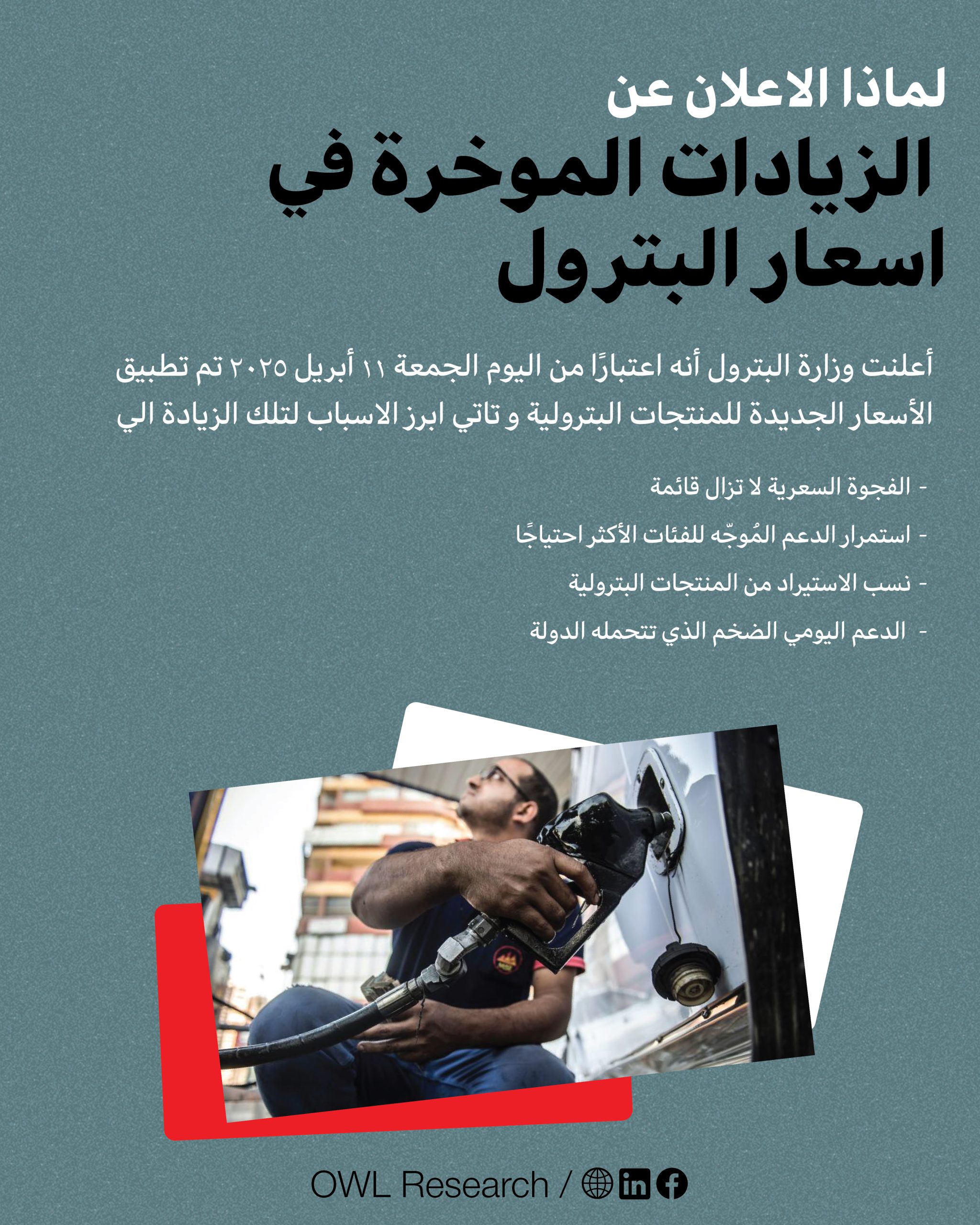
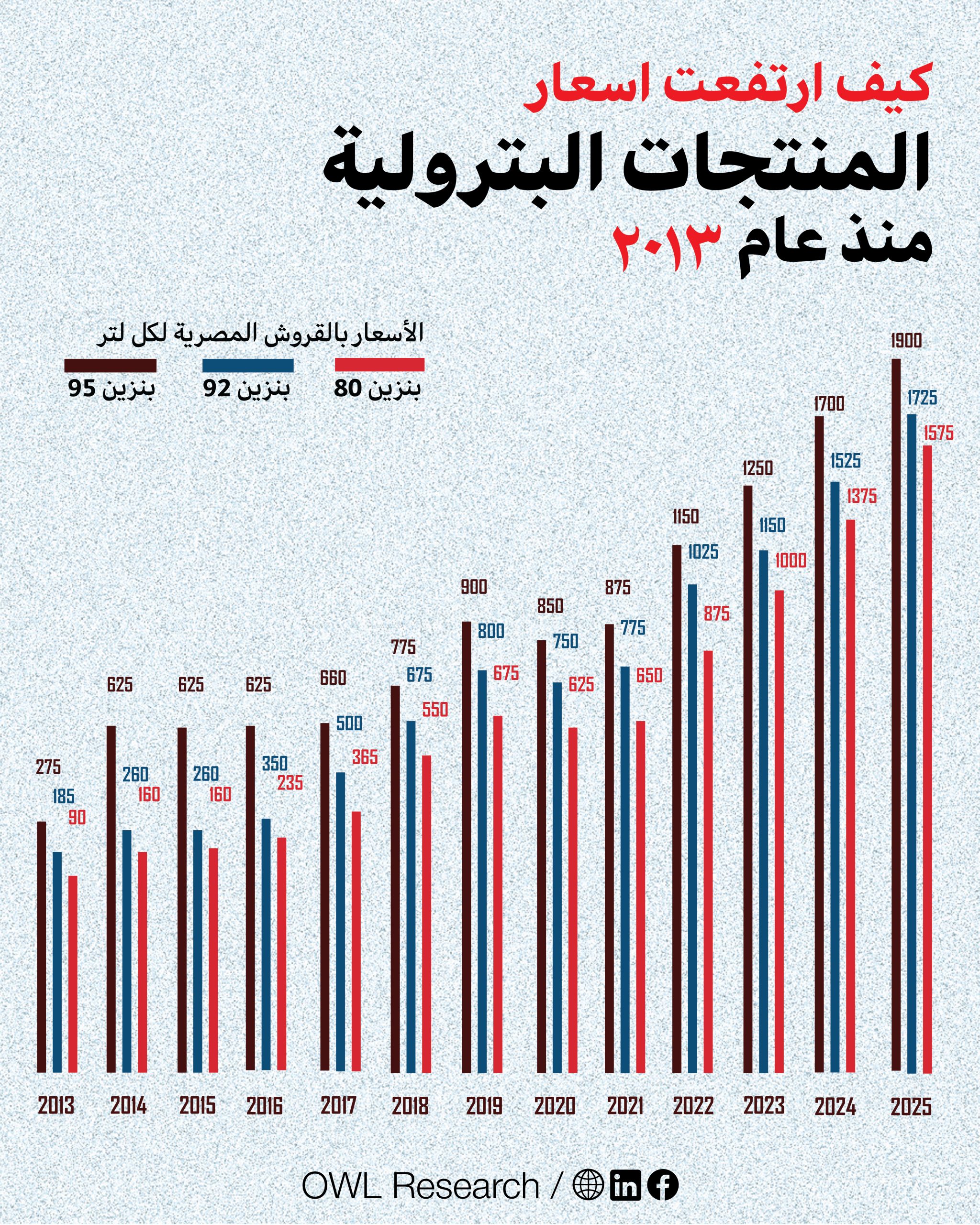
Egypt’s latest fuel price hike, applied from 11 April 2025, is not a one-off decision. It’s part of a longer path that started in 2013 to gradually close the gap between domestic prices and the real cost of fuel. Despite repeated increases, the government still carries a heavy subsidy bill to keep diesel and LPG affordable for households and transport.
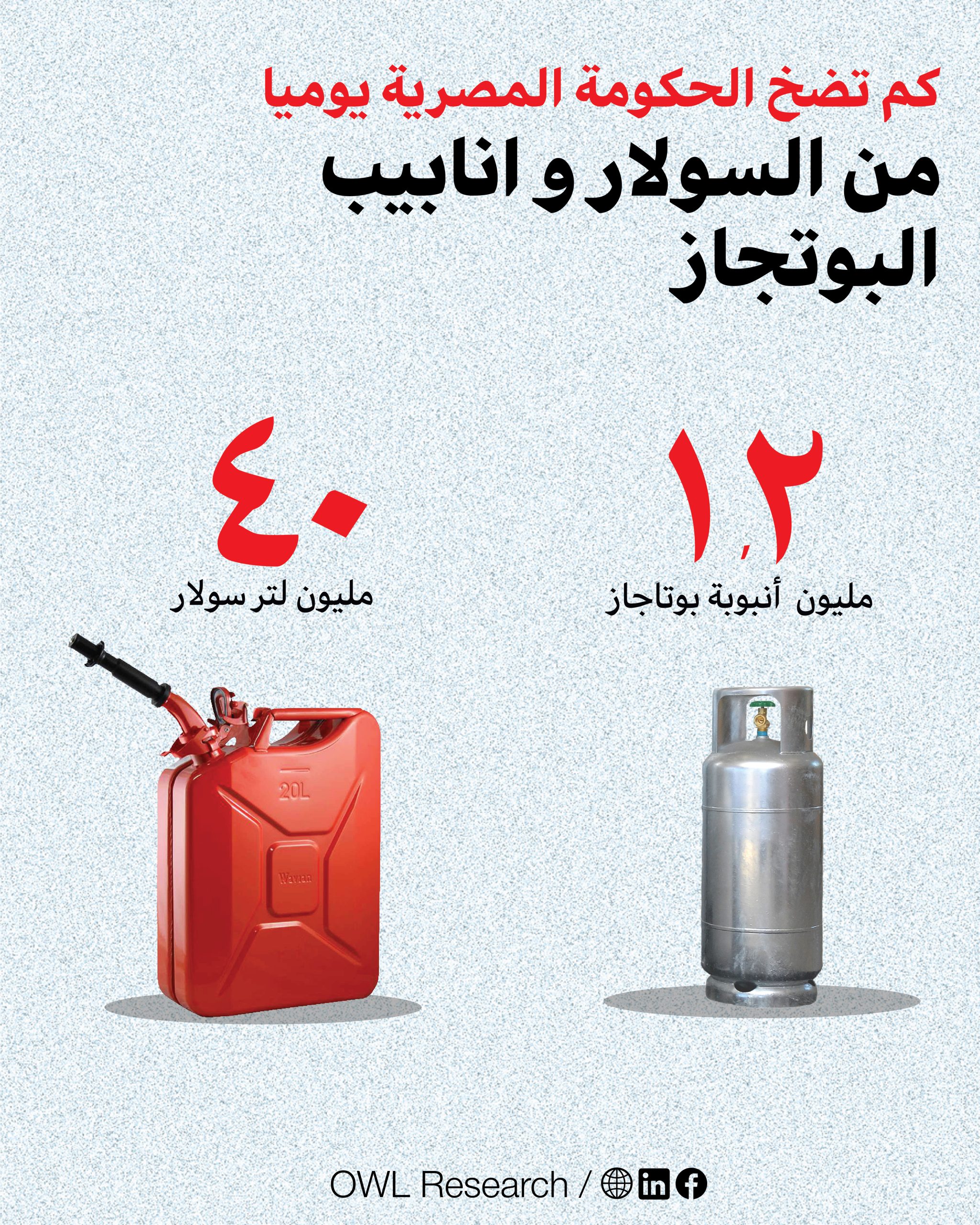
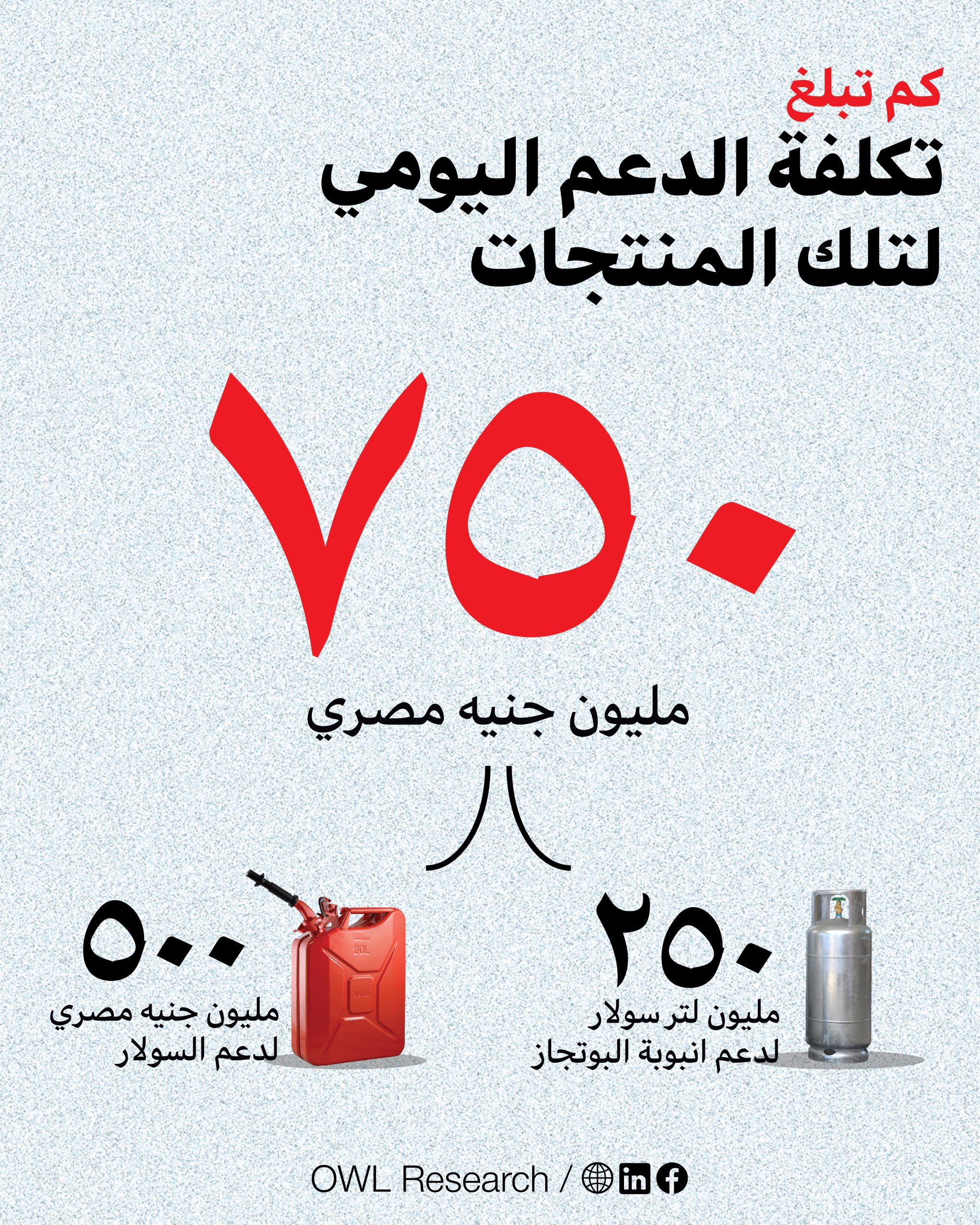
Every day, the state pumps around 40 million litres of diesel and 1.2 million LPG cylinders into the market. According to official figures, this support costs roughly 750 million EGP per day – about 500 million for diesel and 250 million for LPG. With high import dependence, volatile global oil prices and a tight budget, maintaining this level of subsidy is increasingly difficult.
Future pricing will likely balance three pressures: protecting low-income groups, limiting the budget deficit, and keeping energy available for the economy. The question now is not if prices will move again, but how fast and by how much in the coming period.