The New Trade Route
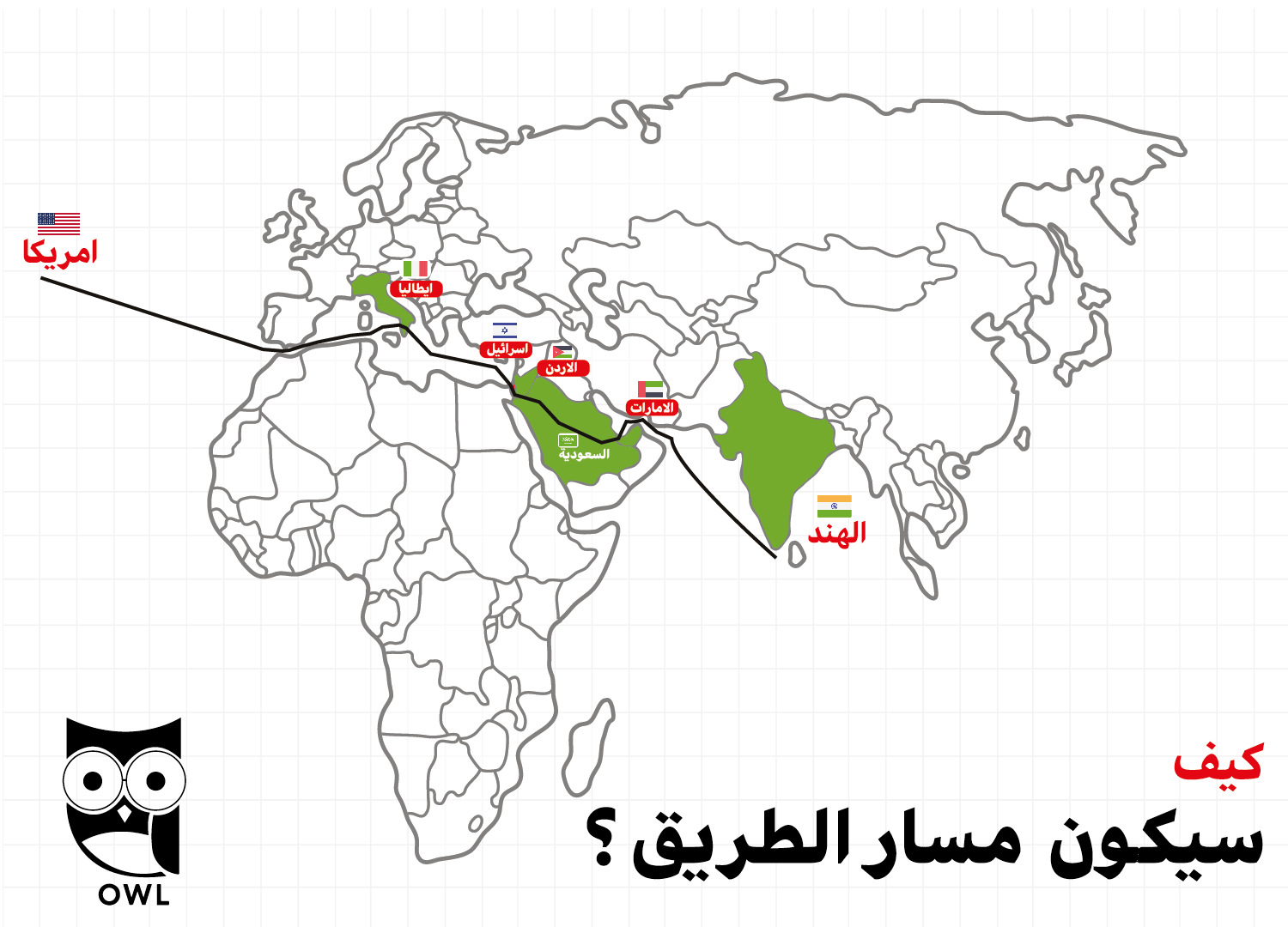
The proposed India–Middle East–Europe Corridor aims to connect Indian ports to Europe through the Arabian Gulf, Saudi Arabia, Jordan, and Israel — extending eventually to Italy and the United States.
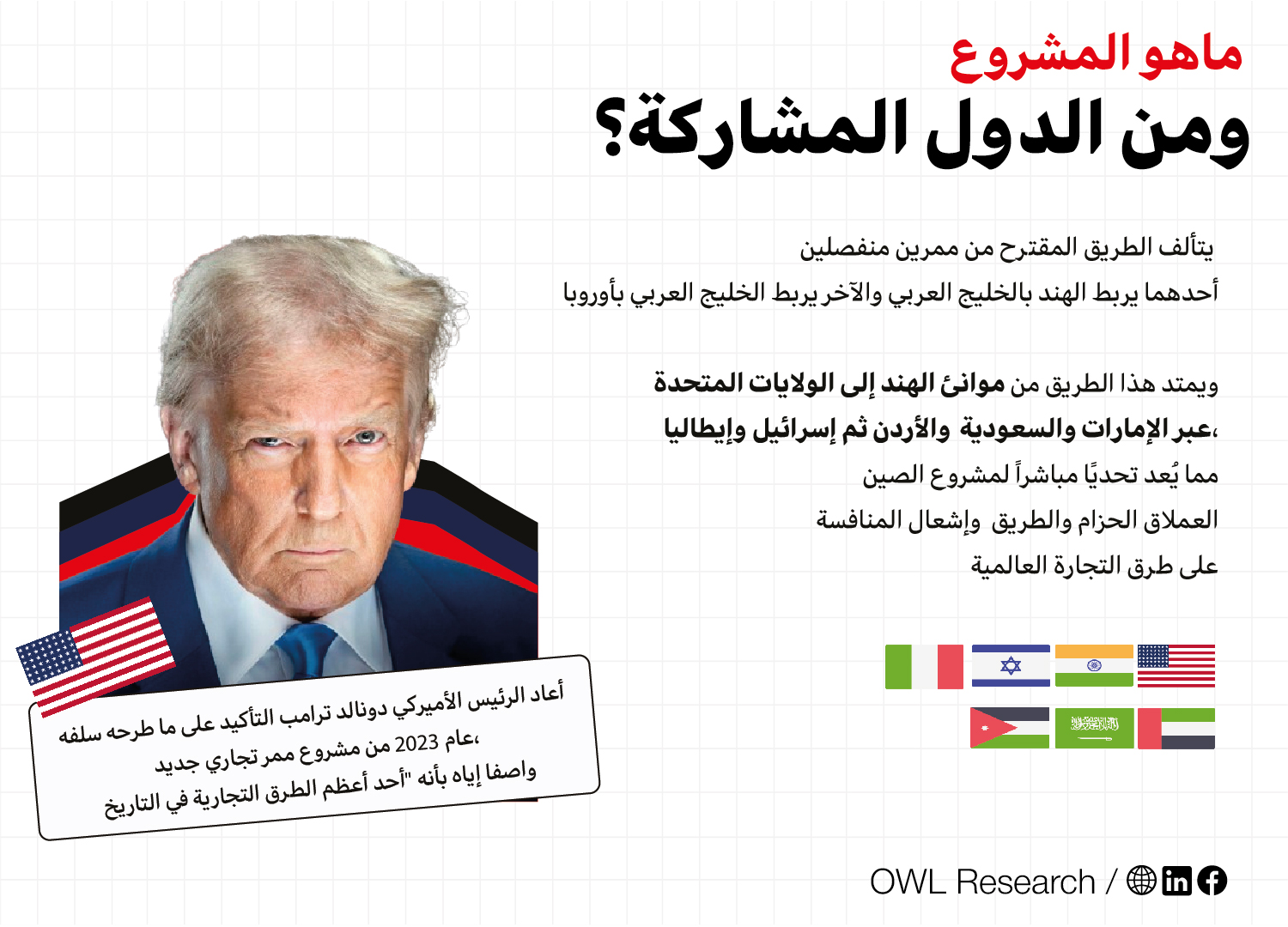
It was reintroduced by former U.S. President Donald Trump in 2023, describing it as “one of the greatest trade routes in history.”
This route represents a direct challenge to China’s Belt and Road Initiative, setting the stage for renewed global competition over trade dominance and supply chain influence.
Main Participants
The project involves India, Saudi Arabia, the UAE, Jordan, Israel, Italy, and the United States, forming a new commercial axis linking Asia, the Middle East, and Europe.
Its aim: reduce shipping times, enhance regional integration, and strengthen Western-aligned trade infrastructure.
Strategic Implications
- Winners: Gulf economies like the UAE and Saudi Arabia could become vital logistics hubs, benefiting from transit fees and infrastructure investments.
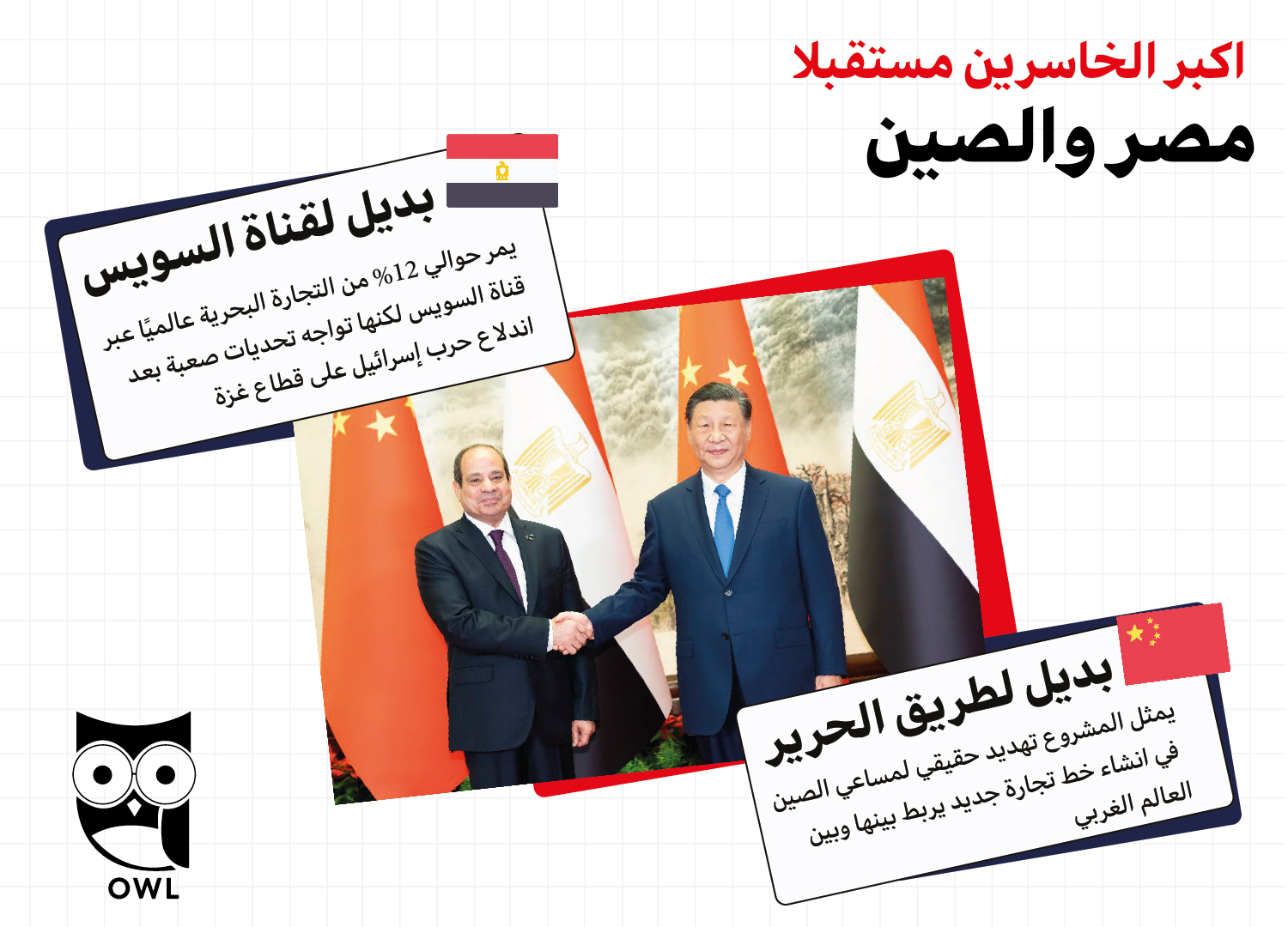
- Losers: China and Egypt may face economic pressure — China from competition with its Belt & Road, and Egypt from a potential decline in Suez Canal traffic, which currently carries around 12% of global maritime trade.
Geopolitical Context
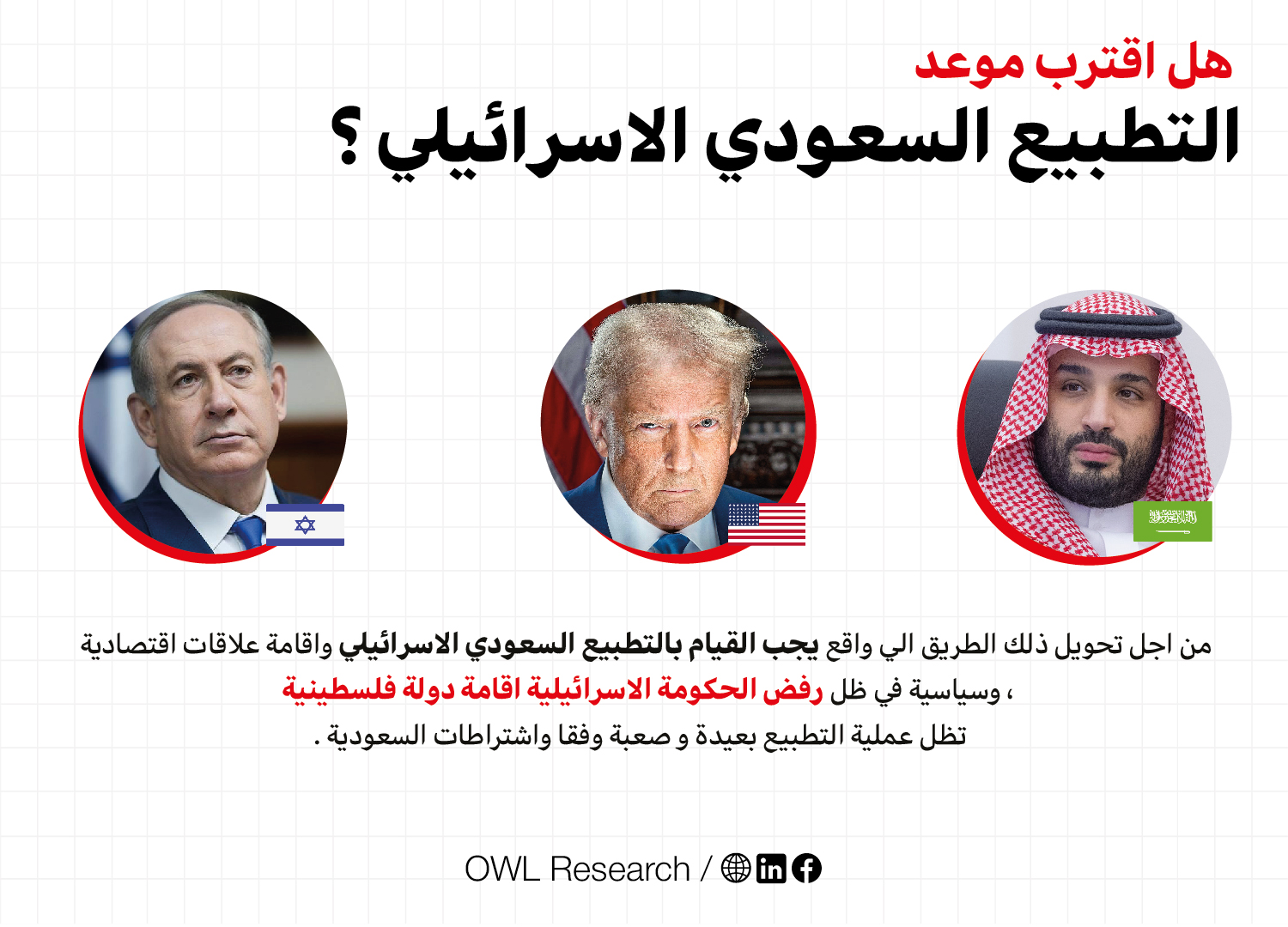
The corridor’s progress depends heavily on regional stability and the potential normalization of relations between Saudi Arabia and Israel.
However, with Israel’s current political stance and ongoing regional conflicts, the path to implementation remains uncertain.
Owl Research continues to analyze global trade realignments and their impact on the Middle East’s economic landscape.
👉 Follow Owl Research for more data-driven geopolitical insights.