The FIFA World Cup is no longer just the world’s biggest sporting event—it has evolved into one of the largest commercial enterprises in global entertainment. Every four years, billions of viewers, multinational sponsors, broadcasters, and host nations contribute to an economic ecosystem that continues to grow at an unprecedented pace.
From Sporting Tournament to Global Business
Over the past two decades, the FIFA World Cup has transformed into a global economic powerhouse. Revenue generated from broadcasting rights, sponsorship agreements, ticket sales, hospitality, licensing, and commercial partnerships has steadily increased with every edition of the tournament.
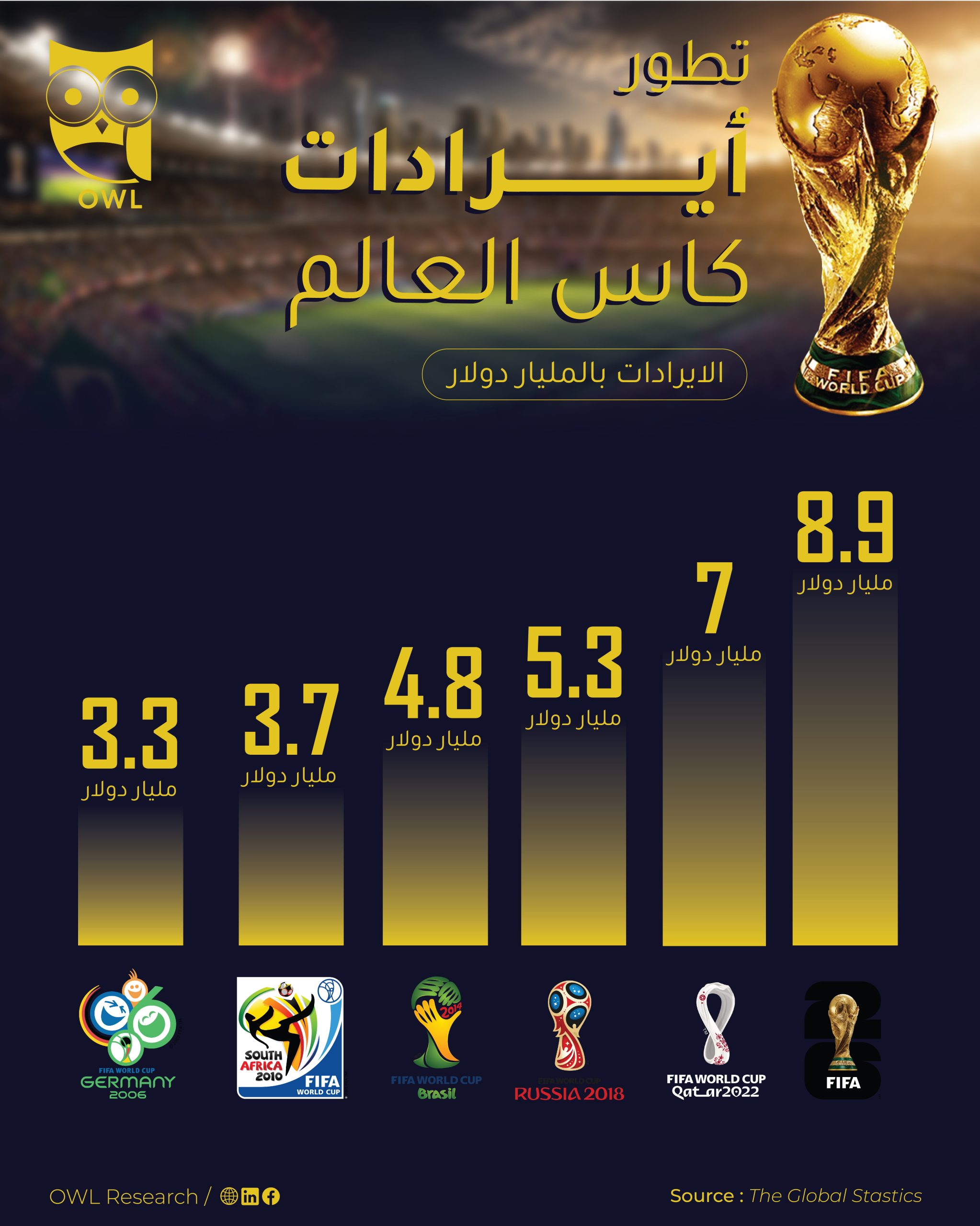
According to FIFA’s financial reports, tournament revenues have nearly tripled since 2006, reflecting the expanding global popularity of football and the increasing commercial value of sports media.
World Cup Revenue Growth
| Tournament | Revenue |
|---|---|
| Germany 2006 | $3.3 Billion |
| South Africa 2010 | $3.7 Billion |
| Brazil 2014 | $4.8 Billion |
| Russia 2018 | $5.3 Billion |
| Qatar 2022 | $7.0 Billion |
| 2026 (Projected) | $8.9 Billion |
The projected $8.9 billion in revenue for the 2026 FIFA World Cup represents the highest commercial return in the tournament’s history.
What’s Driving the Growth?
Several structural factors are fueling the rapid increase in World Cup revenues.
Expanded Tournament Format
The 2026 FIFA World Cup will feature 48 national teams, compared to 32 in previous editions. The expanded format significantly increases the number of matches, creating additional opportunities for broadcasting, sponsorship, ticket sales, and fan engagement.
Three Host Nations
For the first time, the tournament will be jointly hosted by the United States, Canada, and Mexico, giving FIFA access to one of the world’s largest commercial markets while expanding its regional reach across North America.
Record-Breaking Media Rights
Broadcasting rights remain FIFA’s single largest source of income. As global demand for premium live sports content continues to rise, media companies are willing to pay record fees for exclusive broadcasting rights across television and digital platforms.
Global Sponsorship Portfolio
The World Cup attracts some of the world’s most recognizable brands across industries including technology, automotive, financial services, consumer goods, airlines, and sportswear. Long-term commercial partnerships continue to strengthen FIFA’s revenue base.
Growing Digital Audience
Streaming platforms, social media, and digital content have expanded the tournament’s global reach beyond traditional television audiences. Increased digital engagement creates new advertising opportunities and enhances the value of commercial partnerships.
Economic Impact Beyond FIFA
The financial impact of the FIFA World Cup extends well beyond tournament revenues.
Host countries typically experience increased economic activity through:
- Tourism and hospitality
- Infrastructure investment
- Transportation services
- Retail spending
- Employment opportunities
- International media exposure
While the long-term economic benefits vary by host nation, the tournament consistently generates significant short-term business activity across multiple sectors.
Looking Ahead to 2026
The 2026 FIFA World Cup is expected to set new commercial benchmarks for global sports. With more participating teams, more matches, larger audiences, and stronger commercial partnerships, the tournament is positioned to become the most financially successful World Cup ever held.
As football’s global fanbase continues to expand, the World Cup is increasingly viewed not only as the pinnacle of international sport but also as one of the world’s most valuable entertainment and business platforms.
Key Takeaways
- World Cup revenues have increased from $3.3 billion in 2006 to a projected $8.9 billion in 2026.
- The expansion to 48 teams is expected to significantly boost commercial revenues.
- Broadcasting rights and sponsorships remain FIFA’s largest revenue streams.
- The 2026 tournament will be the biggest World Cup in history by both scale and commercial value.
- The World Cup has evolved into one of the most valuable global sporting properties, generating economic benefits that extend beyond football.