Before geopolitical tensions between the United States and Iran escalated into direct military confrontation, the Strait of Hormuz was already one of the world’s most strategically important maritime chokepoints. Every day, hundreds of vessels carrying energy supplies and manufactured goods pass through this narrow passage, making it indispensable to global trade and energy security.
A Global Trade Lifeline
The Strait of Hormuz, located between Iran and Oman, connects the Persian Gulf with the Gulf of Oman and the Arabian Sea. Despite being only around 33 kilometers (21 miles) wide at its narrowest point, it serves as one of the busiest shipping corridors in the world.
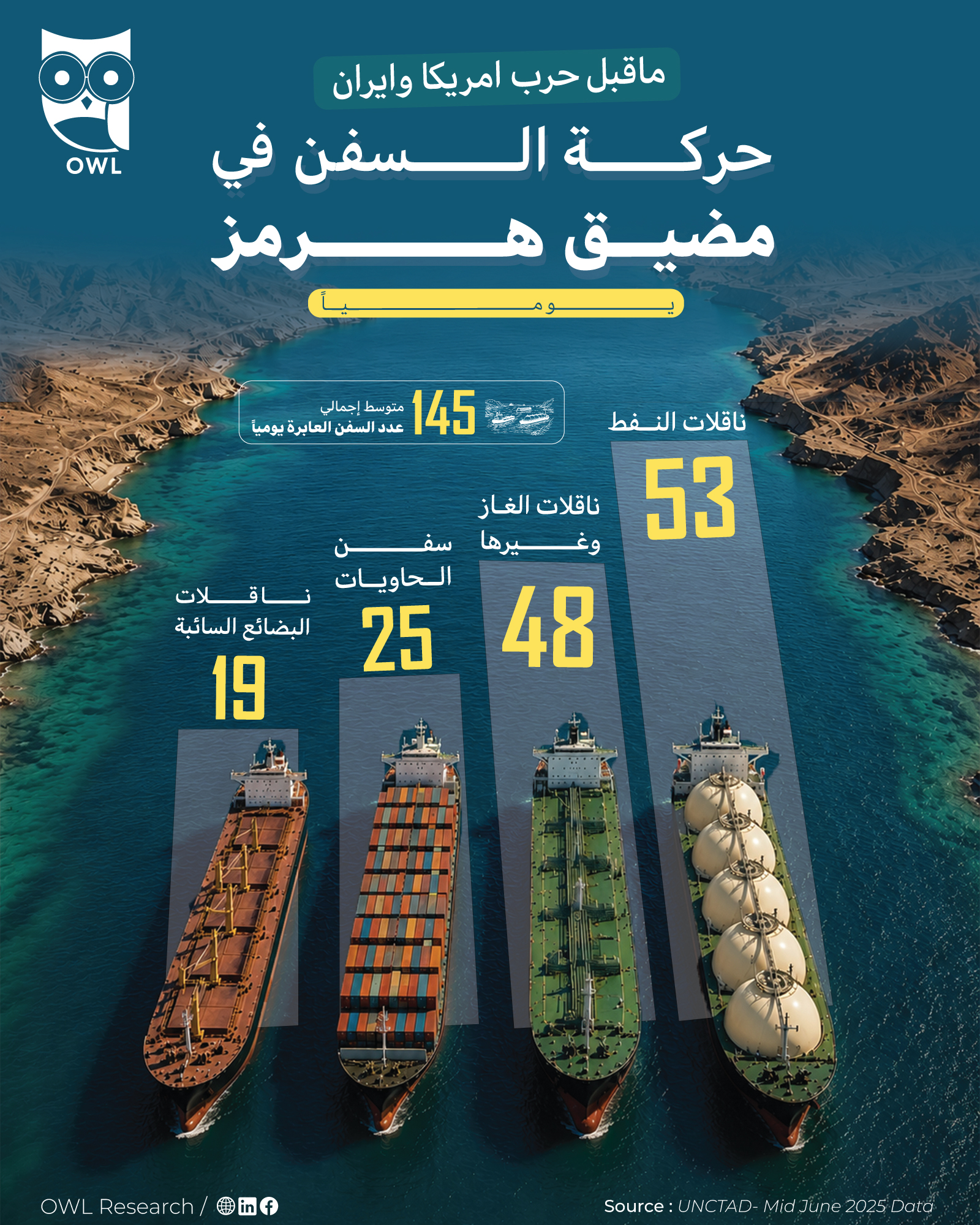
On average, 145 commercial vessels transit the strait every day, highlighting its unmatched importance for international commerce.
Daily Vessel Traffic
- 53 Oil Tankers
- 48 LNG and Gas Carriers
- 25 Container Ships
- 19 Bulk Cargo Vessels
This traffic reflects the Strait’s dual role as both an energy corridor and a global trade gateway.
The World’s Most Important Energy Chokepoint
The Strait of Hormuz is responsible for transporting a significant share of the world’s energy supplies.
Every disruption—whether military, political, or logistical—immediately raises concerns across global markets because millions of barrels of crude oil and substantial volumes of liquefied natural gas (LNG) pass through the waterway every day.
Major energy exporters including Saudi Arabia, Iraq, the United Arab Emirates, Kuwait, Qatar, and Iran rely heavily on the Strait to reach international markets.
As a result, any perceived threat to navigation often leads to:
- Higher oil prices
- Increased shipping insurance costs
- Supply chain uncertainty
- Greater market volatility
Beyond Oil: A Critical Trade Route
Although energy shipments receive the most attention, the Strait also supports a wide range of commercial trade.
Container vessels transport manufactured products, consumer goods, machinery, and industrial components between Asia, Europe, and the Middle East, while bulk carriers move raw materials essential for global industries.
Even short-term disruptions can ripple through international supply chains, affecting transportation costs and delivery schedules worldwide.
Why Markets Closely Monitor the Strait
Financial markets closely watch developments in the Strait of Hormuz because even the possibility of restricted navigation can influence commodity prices.
Investors typically assess several key risks:
- Potential shipping delays
- Rising freight and insurance costs
- Energy supply disruptions
- Regional military escalation
- Inflationary pressure driven by higher energy prices
These factors can influence not only energy markets but also equities, currencies, and global inflation expectations.
Looking Ahead
The Strait of Hormuz remains one of the world’s most strategically sensitive maritime corridors. While commercial shipping continues under normal circumstances, geopolitical developments in the region have the potential to reshape global energy flows and international trade within days.
For governments, businesses, and investors alike, monitoring activity in this narrow waterway is essential to understanding broader economic and geopolitical risks.
Key Takeaways
- 145 commercial vessels transit the Strait of Hormuz daily.
- 53 oil tankers and 48 gas carriers underscore its importance to global energy security.
- The Strait is a critical gateway for both hydrocarbons and international trade.
- Any disruption could have immediate consequences for energy prices, supply chains, shipping costs, and global financial markets.