When political deadlock in Washington leads to a U.S. government shutdown, the impact is far from a mere administrative pause. It triggers a cascade of immediate economic losses, contractual delays, and significant disruptions that cost the economy billions of dollars.
The Immediate Economic Toll
A shutdown halts non-essential federal operations, furloughing hundreds of thousands of workers and suspending key services. According to analyses from the Congressional Budget Office (CBO) and other non-partisan groups, the financial consequences are severe and multifaceted:
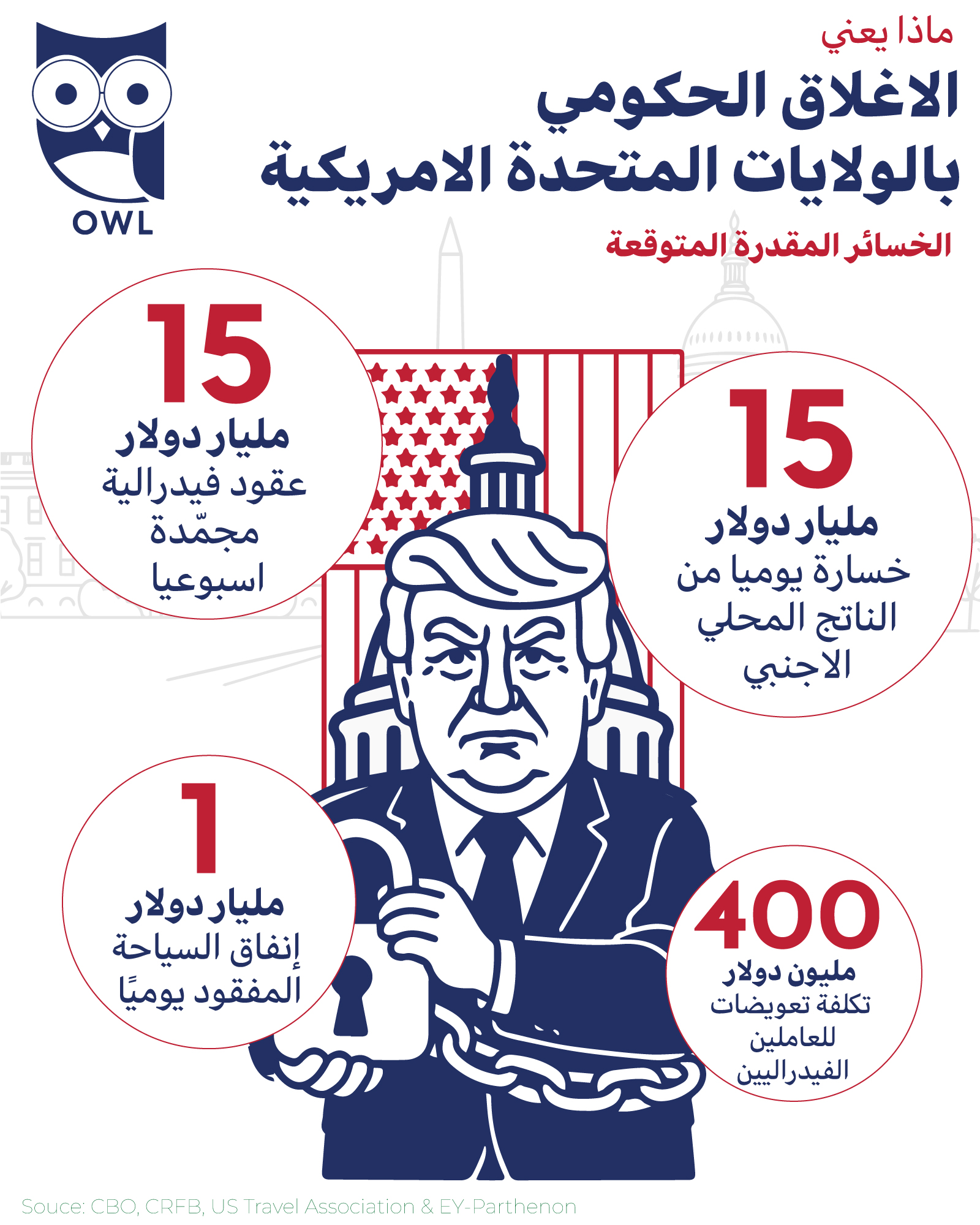
- GDP Impact: The economy loses an estimated $1.5 billion per day in overall Gross Domestic Product (GDP) growth. This is due to lost productivity from furloughed workers, delayed federal spending, and reduced economic activity in sectors that rely on government functions.
- Tourism Loss: The travel and tourism sector suffers a direct hit, losing approximately $1 billion in daily spending. National parks and museums close, government travel ceases, and related businesses from hotels to restaurants feel the pinch.
- Contract Backlog: The shutdown freezes the federal procurement pipeline, causing an estimated $1.5 billion per week in authorized federal contracts to be delayed or put on hold, disrupting private companies and their employees nationwide.
- Direct Costs: Ironically, the government incurs a direct cost of around $400 million to eventually pay furloughed federal workers for their missed time once the shutdown ends—essentially paying them for not working.
Beyond the Numbers: The Ripple Effects
The damage extends beyond these headline figures:
- Eroded Confidence: Repeated shutdowns undermine public confidence in government and create uncertainty for businesses making long-term investment decisions.
- Service Disruption: Critical services from food safety inspections and environmental monitoring to passport processing and scientific research are delayed or halted.
- Morale and Retention: The financial insecurity and operational frustration damage morale within the federal workforce, making it harder to recruit and retain talent.
In summary, a government shutdown is not a “cost-saving” measure but a cost-imposing one. It represents a failure of the budgetary process that inflicts measurable, widespread economic harm, reduces government efficiency, and ultimately makes the nation poorer and less secure, even if only temporarily.