Boycott Israeli Dates Companies: A Call for Ethical Consumerism
Introduction
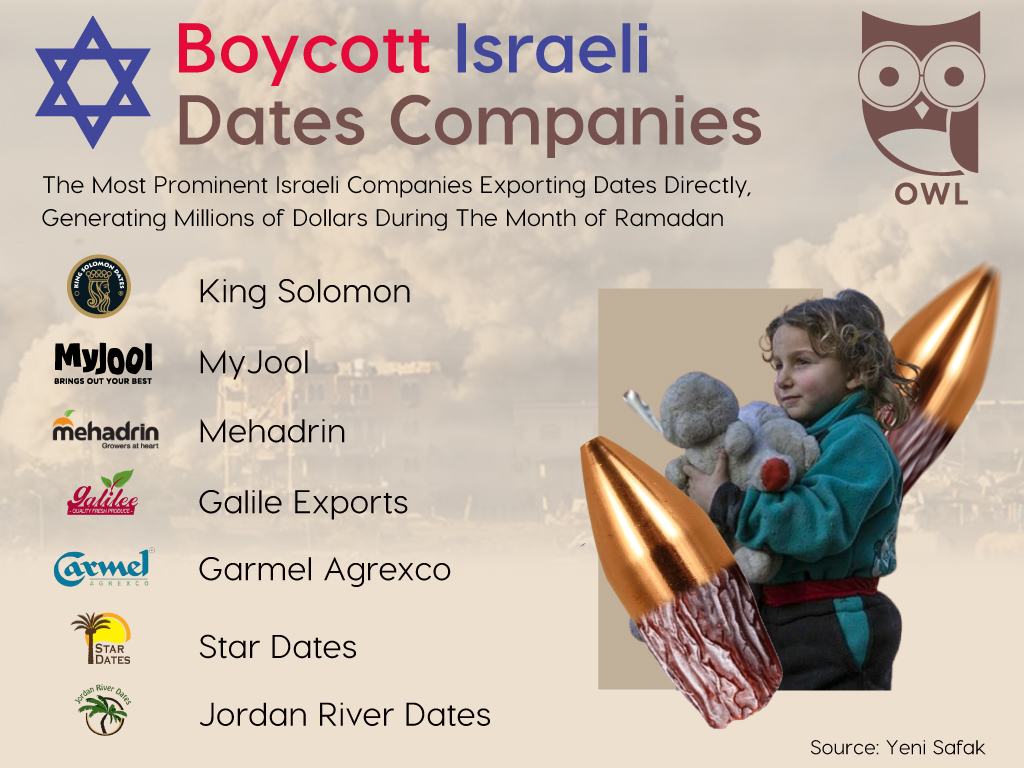
In recent years, the global movement to boycott Israeli products has gained momentum, particularly around sensitive commodities like dates. Israeli date companies are among the largest exporters in the world, especially during the holy month of Ramadan when global demand surges. However, many of these companies are accused of benefiting from land grabs, exploiting Palestinian resources, and operating in illegal settlements in the occupied West Bank. This has led activists, NGOs, and consumers worldwide to call for a boycott of Israeli dates as part of a broader movement for justice and human rights.
Why Dates?
Dates are a staple food in Middle Eastern and North African cultures and hold religious significance, especially for Muslims who break their fast with dates during Ramadan. Israel is among the top global exporters of Medjool dates, with much of its production linked to plantations in occupied territories. By targeting this industry, activists highlight both the cultural importance of dates and the ethical concerns tied to their production.
Major Israeli Date Companies to Boycott
Several Israeli companies dominate the global dates market, exporting under multiple brand names. Some of the most cited include:
- Hadiklaim (Israeli Date Growers Cooperative) – One of the largest exporters, distributing Medjool dates worldwide under labels like Jordan River and King Solomon.
- Mehadrin – Another major exporter linked to settlement agriculture.
- Other private farms and cooperatives operating in the Jordan Valley settlements.
These companies are frequently criticized for exploiting Palestinian labor, confiscating land, and mislabeling products to disguise their origin.
Ethical and Political Concerns
- Use of Occupied Land: Many Israeli date farms are based in the Jordan Valley, considered occupied Palestinian territory under international law.
- Labor Exploitation: Reports indicate that Palestinian workers, including minors, face poor working conditions on these farms.
- Mislabeling Practices: Products are sometimes labeled as “Made in Israel” or re-exported through third countries to obscure their origin.
- Cultural Appropriation: Traditional Palestinian produce and branding are marketed internationally as Israeli, erasing cultural identity.
Global Campaigns and Consumer Action
Movements such as BDS (Boycott, Divestment, Sanctions) have consistently urged consumers to reject Israeli dates. Supermarkets in Europe, North America, and Asia have faced campaigns to remove settlement products from their shelves. Muslim communities, in particular, have taken a strong stance by raising awareness before Ramadan, urging families to choose ethically sourced dates from countries like Tunisia, Algeria, Saudi Arabia, and Palestine.
Alternatives to Israeli Dates
Consumers who wish to avoid supporting Israeli settlement products can buy dates from alternative sources such as:
- Tunisia (a major producer of Deglet Nour dates).
- Algeria (well-known for high-quality Deglet Nour).
- Saudi Arabia (Ajwa, Sukkari, and other premium varieties).
- Palestinian cooperatives (which support local farmers and communities).
The call to boycott Israeli date companies is about more than just food—it’s a stand against occupation, exploitation, and injustice. By making conscious consumer choices, individuals can support ethical farming, protect Palestinian rights, and ensure that the foods they enjoy align with their values. As awareness grows, the boycott of Israeli dates represents a powerful tool for global solidarity and ethical consumerism.