The old rent system in Egypt is one of the country’s most debated housing issues. It began as a social protection measure in the mid-20th century to shield tenants from sudden rent increases. While it succeeded at the time, decades of fixed low rents created an imbalance between supply and demand.
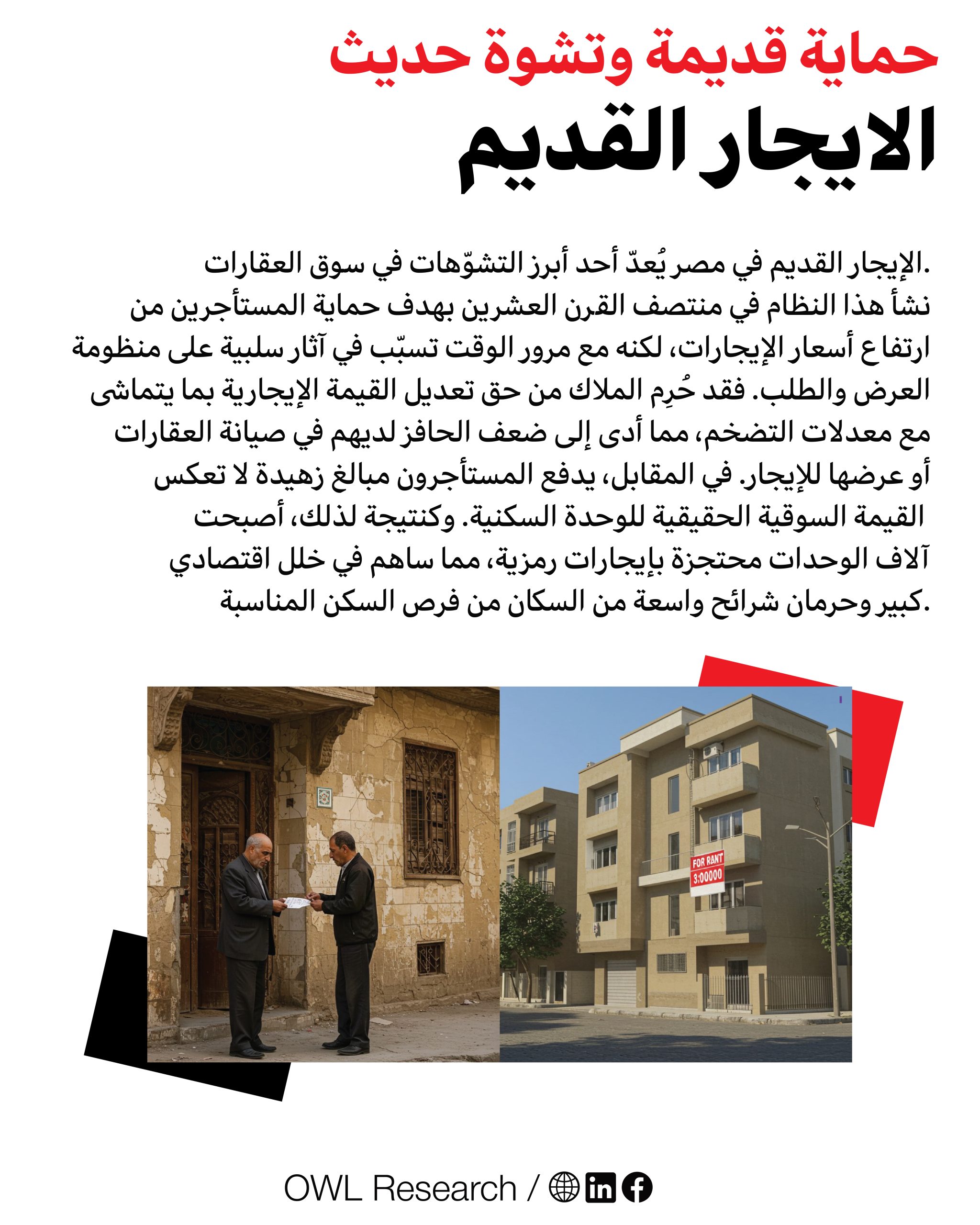

Landlords were unable to adjust rents to match inflation, which reduced their incentive to maintain or upgrade their properties. Meanwhile, many tenants continued paying extremely low amounts that do not reflect the real market value of the residential unit. As a result, large numbers of units remained locked under outdated contracts, limiting availability in the housing market.
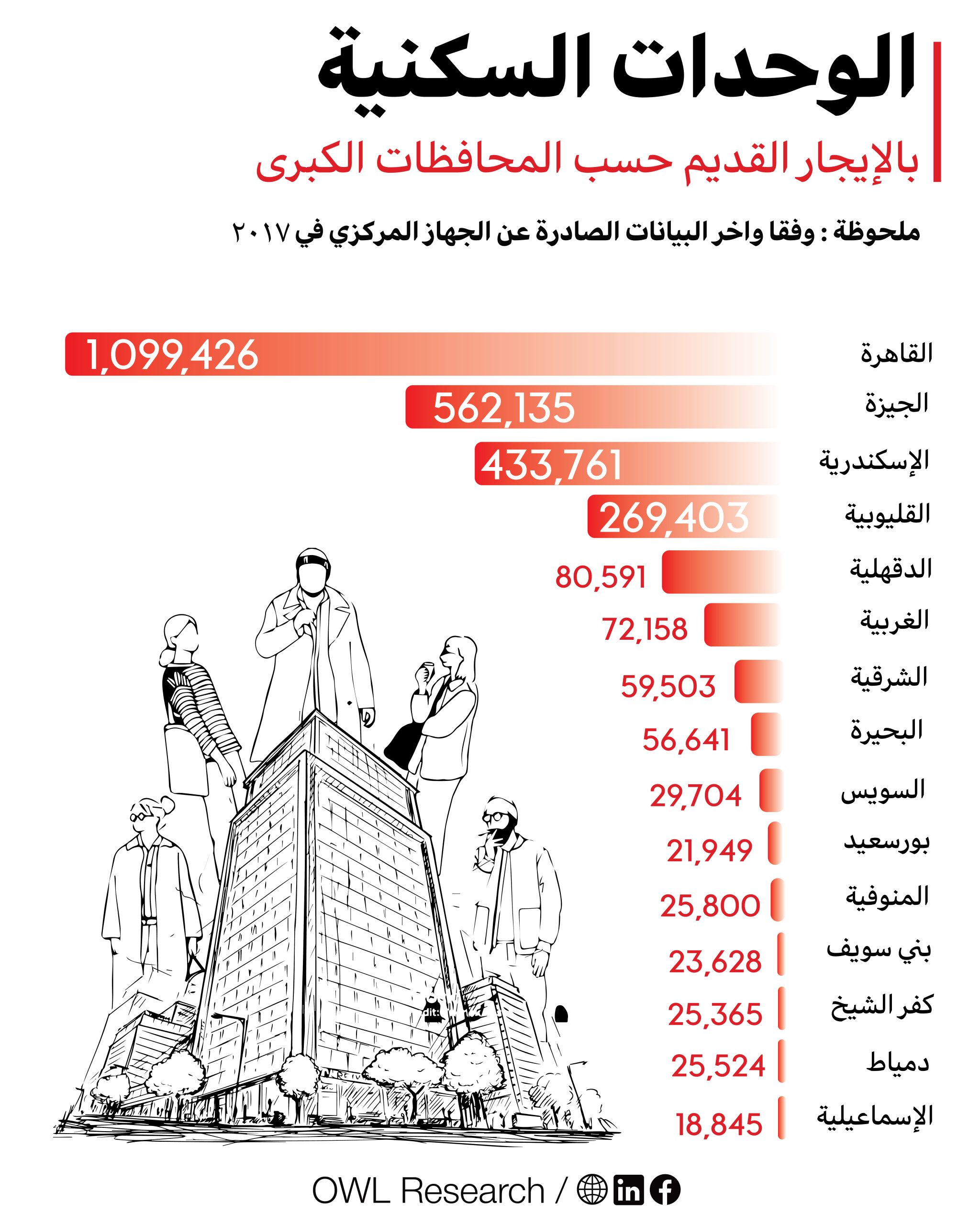
Today, nearly 1.6 million families live under the old rent system, accounting for about 7% of all Egyptian households. Major cities like Cairo, Giza, and Alexandria carry the highest concentration of old-rent units, according to the latest official data.
The challenge now is finding a balanced solution that protects long-term tenants while restoring fairness and encouraging investment in housing. Egypt’s ongoing discussions highlight one key question: How can the system be updated without harming vulnerable families or discouraging property owners?