The technology industry entered 2026 facing another wave of workforce restructuring. While the sector remains one of the world’s most innovative and fastest-growing industries, companies are increasingly reducing headcount as they redirect investments toward artificial intelligence, cloud infrastructure, and automation.
Recent reports indicate that more than 100,000 technology jobs have been eliminated globally during 2026, reflecting a major transformation in how technology companies operate and allocate resources. Many firms are prioritizing AI development, data centers, and automation capabilities while reducing spending on traditional operational and administrative functions.
The Numbers Behind the Layoffs
According to industry trackers and media reports:
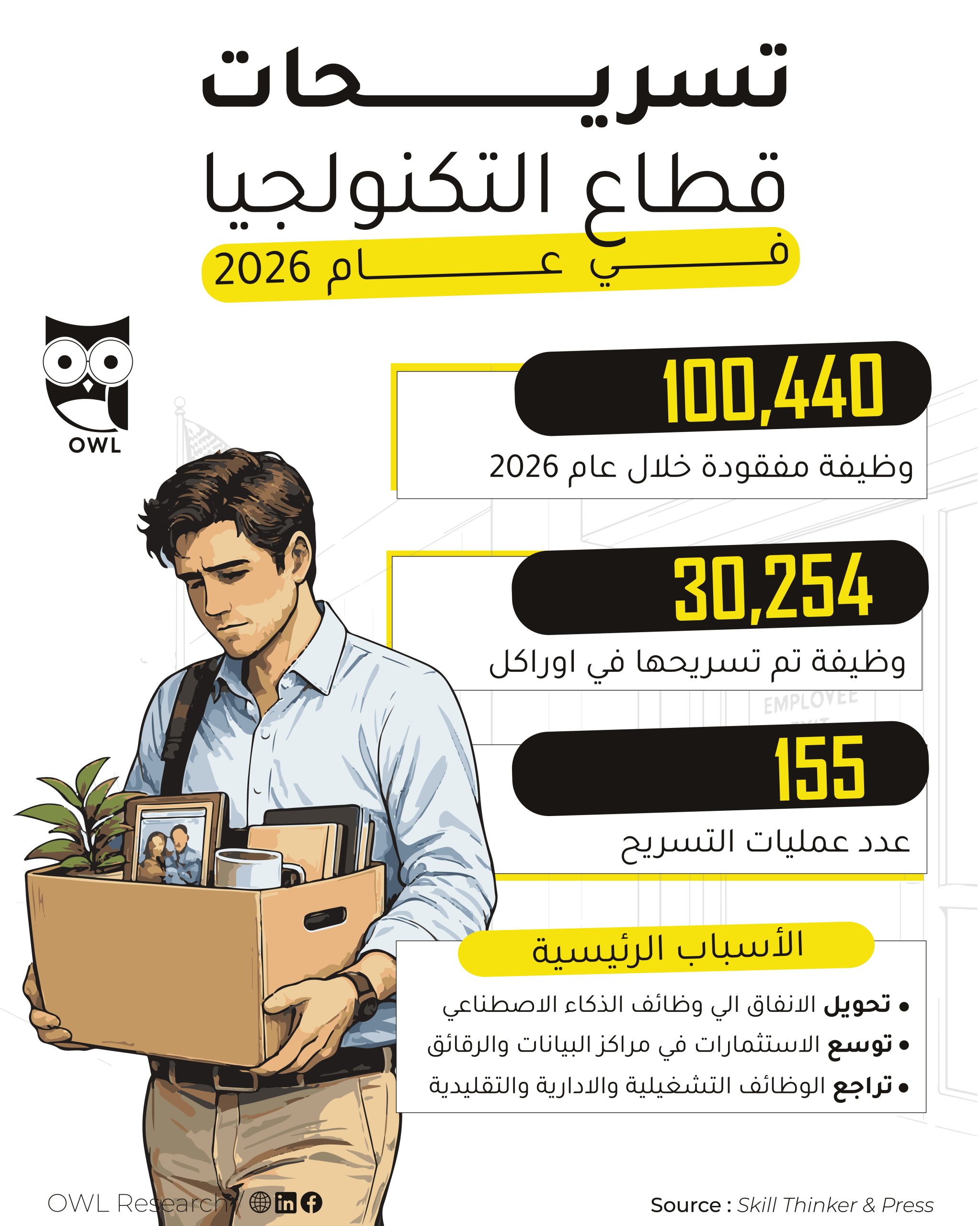
- An estimated 100,440 technology jobs have been eliminated globally during 2026.
- Approximately 155 major layoff events have been recorded across the technology sector.
- Oracle alone has reportedly reduced tens of thousands of positions as part of a broader restructuring strategy linked to AI and cloud investments.
These figures demonstrate that workforce reductions are no longer isolated incidents but part of a broader structural shift across the technology ecosystem.
Why Are Technology Companies Cutting Jobs?
1. The AI Investment Race
Artificial intelligence has become the dominant priority for technology companies worldwide. Organizations are investing billions of dollars into AI infrastructure, large language models, cloud computing capacity, and specialized data centers.
As a result, many companies are reallocating budgets away from traditional departments and toward AI-focused initiatives. In some cases, workforce reductions are being used to fund these investments.
2. Automation of Routine Functions
AI-powered tools are increasingly capable of handling tasks that previously required large teams, including:
- Customer support
- Basic software development
- Data processing
- Content creation
- Administrative operations
This trend is encouraging companies to streamline teams and focus hiring on specialized technical talent rather than expanding overall headcount.
3. Post-Growth Cost Optimization
Following years of aggressive hiring during the digital boom, many technology firms are now pursuing efficiency and profitability. Organizations are reviewing workforce structures, eliminating overlapping roles, and reducing operational costs to improve financial performance.
The Human Impact
Behind every layoff statistic is a professional facing uncertainty. Software engineers, project managers, analysts, designers, and support staff have all been affected by recent restructuring efforts.
Discussions among former employees reveal concerns about job security, increased competition for available positions, and the growing need to continuously update skills in an AI-driven labor market. Many professionals are now focusing on reskilling in areas such as artificial intelligence, cloud computing, cybersecurity, data engineering, and automation technologies.
Which Roles Are Most Vulnerable?
Industry observers suggest that the greatest risk currently exists for roles involving:
- Repetitive administrative work
- Routine operational functions
- Traditional support services
- Highly standardized processes
Meanwhile, demand continues to grow for professionals specializing in:
- Artificial Intelligence
- Machine Learning
- Data Science
- Cybersecurity
- Cloud Infrastructure
- Advanced Software Engineering
Companies are not necessarily reducing technology spending; rather, they are redirecting investment toward skills aligned with the future of digital transformation.
Looking Ahead
The current wave of layoffs should not be viewed solely as a sign of industry weakness. Instead, it reflects a fundamental transformation in how technology companies create value.
As AI adoption accelerates, organizations are redesigning workforce structures around automation, data, and intelligent systems. While this transition creates short-term disruption for many workers, it is also generating new opportunities for professionals willing to adapt and develop future-focused skills.
The challenge for both businesses and employees will be navigating this transition responsibly—balancing innovation, productivity, and competitiveness with the human realities of workforce change.
Source: OWL Research analysis based on technology workforce trackers, industry reports, and international press coverage.